
















Story Highlight
– Redbridge Council spent £288,424 on glyphosate weed killer.
– Glyphosate linked to cancer and hormonal disruption, says WHO.
– Spending increased from £260,445 in 2024.
– Opposition calls for transparency on spending and procurement.
– Residents urge council to halt pesticide use in playgrounds.
Full Story
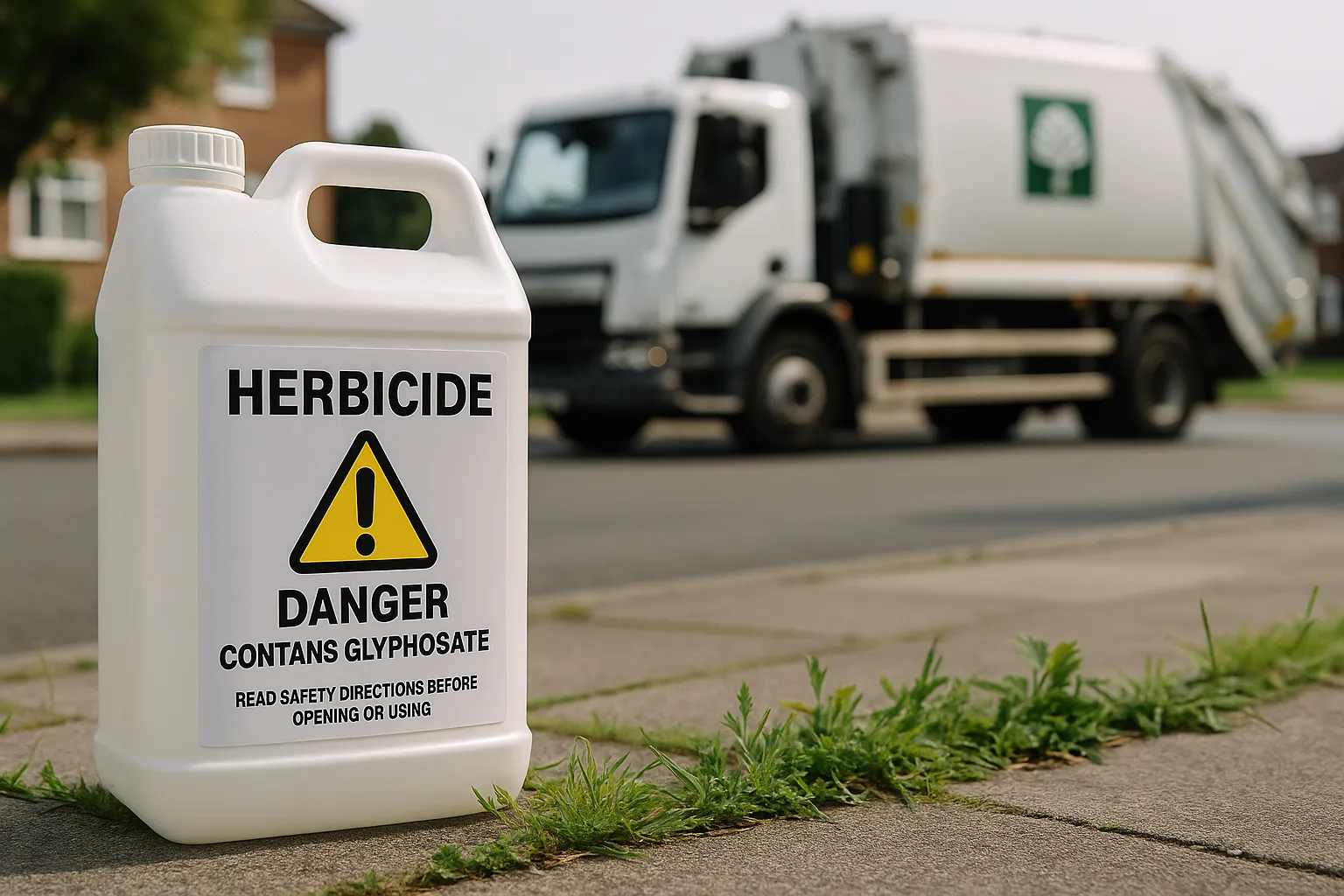
Redbridge Council, located in East London, is facing criticism for its significant expenditure on a controversial herbicide, amounting to nearly £300,000 over the past year. According to a recent report by the Mail on Sunday, Redbridge is one of 200 local authorities in the UK still utilising glyphosate-based pesticides, despite health concerns associated with the chemical.
Glyphosate, the active ingredient in the widely recognised herbicide Roundup, has been classified by the World Health Organization (WHO) as “probably” carcinogenic. Additionally, it has been linked to disruptions in hormonal balance. The use of glyphosate is legally sanctioned in the UK, albeit with restrictions in place across the European Union.
The correspondence obtained through a Freedom of Information request indicates that Redbridge Council’s expenditure on weed killers reached £288,423.97 last year. This figure represents a rise from £260,444.71 reported in 2022, as noted by the Pesticide Action Network (PAN) UK. A spokesperson for the council responded to the concerns, stating that the total outlay encompasses both the cost of the herbicide and the hiring of professionals needed for its safe and effective application.
“The amount invested reflects our commitment to ensuring that we receive the best value for money for local taxpayers,” the spokesperson remarked. They also confirmed that the Health and Safety Executive (HSE) and the Department for Environment, Food and Rural Affairs (DEFRA) deem glyphosate safe for use in the UK when employed according to established regulations. The council added that glyphosate remains a prevalent choice among local authorities for managing weeds.
To address some environmental concerns, Redbridge Council has implemented various initiatives, including the creation of over 4 kilometers of Pollinator Pathways and a tree-pit adoption programme which temporarily removes areas from chemical treatment.
However, Vaseem Ahmed, representing the opposition group Redbridge Independents, raised alarms over the council’s spending priorities. “The expenditure of £288,423 on weed killer is striking. When the council is experiencing financial challenges, every pound counts,” he commented. Ahmed called for increased transparency regarding the rationale behind such significant expenditures and whether these choices provided adequate value for the taxpayers. He stressed the necessity for clarity on the procurement process and sought information on the decision-makers behind the spending.
Concerns about the potential health implications of glyphosate use have been echoed by local advocacy groups. The Wanstead Climate Action Coordinators expressed grave reservations, stating that the increased spending on glyphosate means that children and other vulnerable populations are more frequently exposed to harmful chemicals. They noted, “For over three years, residents have urged Redbridge to cease the use of pesticides in public playgrounds, similar to measures taken in other boroughs like Hackney. There seems to be little evidence of these requests being acknowledged.”
In response to these worries, the spokesperson for Redbridge Council reiterated their commitment to maintaining the cleanliness and hygiene of public spaces. They acknowledged that while there are valid apprehensions about chemical use, it may sometimes be necessary for effective weed management. Furthermore, they assured that efforts are being made to minimise chemical applications wherever feasible.
The council’s strategy seems to balance immediate public health and environmental considerations with the practical need for effective weed control, a challenge faced by numerous local authorities. This controversy highlights the ongoing debate surrounding the use of glyphosate, particularly in light of emerging studies and public opinion advocating for more sustainable and less harmful alternatives.
As discussions continue around the health risks associated with glyphosate, pressure mounts for councils to explore alternative weed management strategies. Many residents express a strong desire for increased transparency and accountability in local government spending and decision-making processes.
In summary, Redbridge Council’s significant investment in glyphosate-based herbicides has raised concerns about the implications for public health and the environment. With calls for greater clarity on spending and an increased push for environmentally friendly practices, it is clear that the conversation around pesticide use in local governance is far from over. Local citizens and advocacy groups remain vigilant, advocating for measures that prioritise public health while ensuring that green spaces remain safe and accessible for all.
Our Thoughts
Redbridge Council’s significant expenditure on glyphosate-based weed killers raises several health and safety concerns under UK legislation. To avoid such controversies, the council should have adhered more closely to the principles of the Health and Safety at Work Act 1974, which mandates the minimization of risks to health. This includes considering safer alternatives to glyphosate, given its potential link to cancer and hormonal disruption, as indicated by WHO findings.
Key lessons include the importance of transparency and engagement with residents regarding the use of pesticides, particularly in public spaces frequented by children and vulnerable groups. The council’s procurement process could have also involved a more thorough risk assessment and stakeholder consultation to ensure that safer practices are prioritized, aligning with the Management of Health and Safety at Work Regulations 1999.
Furthermore, the council should enhance their communication about the measures in place to minimize chemical exposure, aligning with the Control of Pesticides Regulations 1986. By proactively seeking and adopting less hazardous alternatives and fully informing the public, similar incidents can be prevented while ensuring community safety and wellbeing.