











Story Highlight
– FSA warns against consuming potentially unsafe food items.
– Home Bargains recalls Lays Sour Cream & Dill Crisps.
– Undeclared allergens pose health risks for affected products.
– Chocolate products recalled due to hidden milk and soy.
– Gü dessert recalled over undisclosed hazelnuts and soya.
Full Story
The Food Standards Agency (FSA) has recently issued urgent warnings for several food products, advising consumers not to consume them due to potentially serious health risks. Shoppers who may have purchased these items are strongly encouraged to adhere to the recall procedures established by the respective companies.
### Home Bargains Crisps Recall
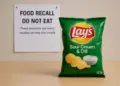
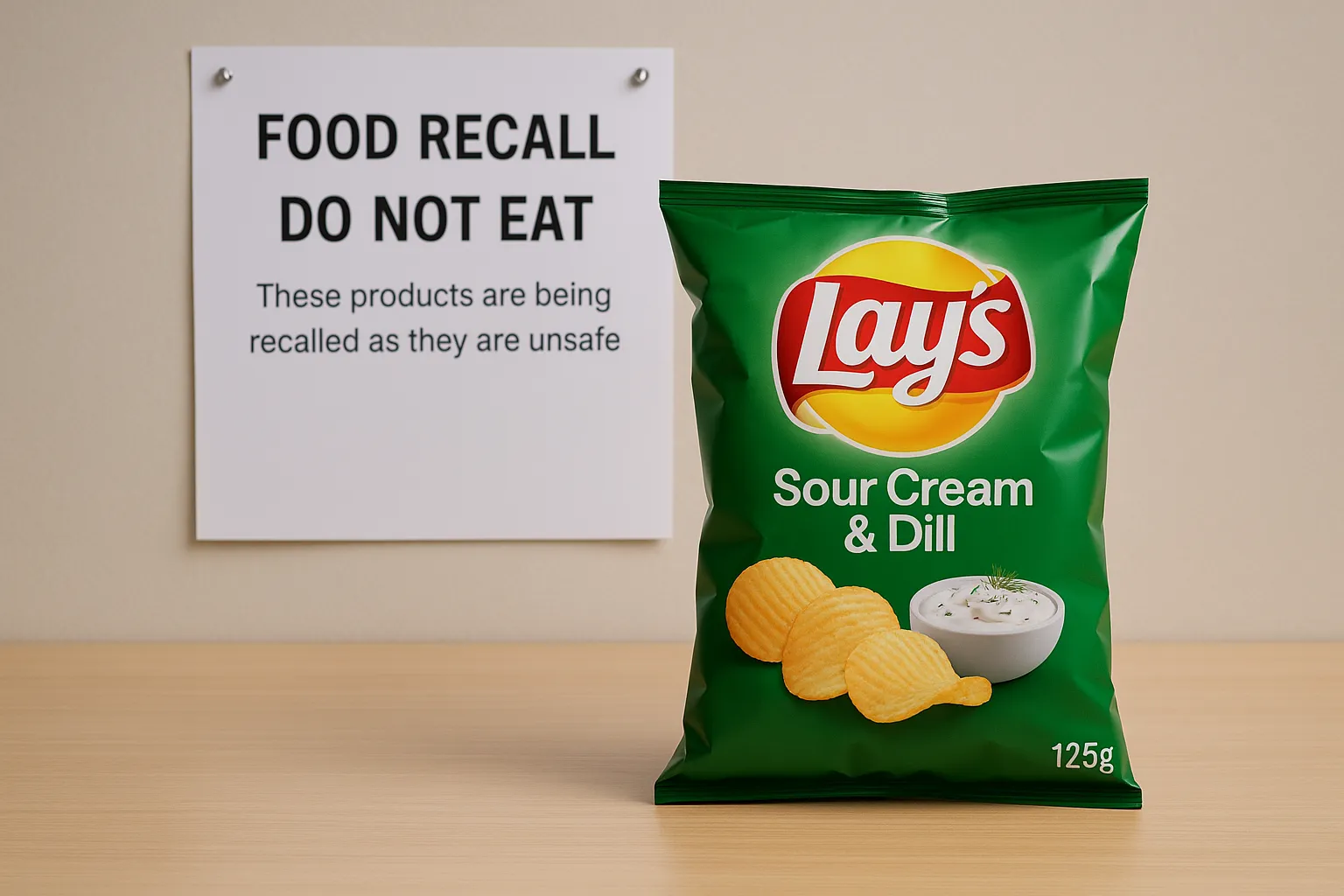
Among the recalls, a particular concern involves Lay’s Sour Cream and Dill Crisps, sold in Home Bargains outlets across the UK. ASR Solutions Ltd, the distributor, has initiated a recall because these crisps contain undeclared allergens, specifically milk and wheat—both of which present potential hazards for individuals with sensitivities or allergies.
The affected crisps are packaged in 125g bags and include best before dates valid until October 31, 2026. A spokesperson from the FSA highlighted the importance of the recall, stating, “ASR Solutions Ltd is recalling the above product from customers and has been advised to contact the relevant allergy support organisations.” The company has made it clear that customers should not consume these crisps and must return them to the store for a full refund.
Home Bargains issued an additional statement: “If you have bought Lay’s Sour Cream & Dill Crisps with the specified best before dates and have allergies or intolerances to dairy or wheat, do not consume the product. Instead, return any affected items to your local Home Bargains for a refund or reach out to support@home.bargains for further assistance.” They also expressed regret for any inconvenience caused to their customers.
### Chocolate Products Recall
In a separate incident, Bon Bons Wholesale Ltd has issued a recall for various chocolate products, which were sold in England, Scotland, and Wales. This recall was prompted by concerns that some items might contain undeclared milk and soya, creating a significant risk for those with relevant allergies.
The FSA spokesperson remarked, “These products contain milk and soya making them a potential health risk for anyone with an allergy or intolerance to these ingredients.” The affected chocolate products include several designs with specific best before dates ranging from January 21, 2027, to March 21, 2027.
Bon Bons Wholesale Ltd is actively reaching out to allergy support organisations to ensure that consumers are aware of the recall. Customers who have purchased these chocolates are advised to return them to the store for a full refund. For further inquiries, buyers can contact enquiries@bonbons.co.uk or call 01937 840681.
The company reassured consumers of its commitment to safety and high product standards, stating, “We take our responsibility to consumers extremely seriously and always aim to ensure the highest possible standards of product safety.”
### Gü Dessert Recall
Also making headlines is the recall of a frozen dessert by Gü, which is available at Tesco and Waitrose. The Gü Double Sea Salted Caramel Frozen Dessert has been pulled from the shelves due to concerns that it may contain undeclared allergens: specifically hazelnuts and soya. This poses a threat to individuals allergic to these ingredients.
The affected dessert features a lot number of 126135 and a best before date of June 30, 2027. The FSA has advised anyone who has purchased this product to refrain from consuming it and to return it to the respective store for a full refund without the need for a receipt.
In their communication, Gü representatives highlighted the limited scope of the issue, noting that it affects a small number of products, estimated to be fewer than 10 units. They stated, “As a precautionary measure and in line with our commitment to consumer safety, the affected date code is being recalled.” They added that steps have been taken to strengthen allergen controls within their production processes.
### Understanding Product Recalls
The term ‘recall’ refers to a scenario where goods that should not be sold are withdrawn from store shelves, and consumers are asked to return them. The FSA plays a critical role in this process by issuing Product Recall Information Notices, which inform both consumers and local authorities about potential food-related risks. In some cases, a ‘Food Alert for Action’ is also issued to provide guidance on specific actions that local authorities should undertake on behalf of consumers.
The recalls initiated by FSA serve as a vital reminder of the importance of accurately labelling food products, particularly those that may contain allergens. Consumers with allergies and intolerances must remain vigilant, closely monitoring any product recalls that may affect their health.
As the food safety watchdog, the FSA continuously works to ensure that consumers are informed about health risks related to food products. Adherence to recall notices is essential for safeguarding public health and preventing allergic reactions, which can occur even in minor exposures to undeclared allergens.
Our Thoughts
The incidents described in the article highlight critical lapses in food safety compliance, primarily relating to accurate product labeling. Under the UK Food Safety Act 1990 and the Food Labelling Regulations 1996, it is essential for manufacturers to ensure that all allergens are clearly indicated on product packaging. The failure to declare allergens such as milk, wheat, and soya not only breaches these regulations but also poses significant health risks to consumers with allergies.
To prevent such occurrences, companies should implement rigorous quality control measures and allergen management protocols during production and packaging processes. Regular training for staff on allergen awareness and the importance of accurate labeling could also mitigate risks. Furthermore, enhancing communication with suppliers and utilizing systems to track and correct labeling errors proactively would help in compliance with the regulations.
Key safety lessons include the necessity of comprehensive allergen management practices, thorough training, and the implementation of preventive measures throughout the supply chain. As seen in these cases, failing to adhere to these standards can lead to severe implications for consumer safety and corporate responsibility.