
















Story Highlight
– Government rejected Northfleet Harbourside project over contamination concerns.
– Development promised 3,500 homes, shops, and 8,000-seat stadium.
– BRM’s lead operations raised health risks for future residents.
– Ebbsfleet United shocked by decision impacting their operations.
– MP calls for urgent clarification on health safety measures.
Full Story
Concerns regarding public health contamination have been raised following the UK government’s recent rejection of a significant new development plan in Northfleet, Kent. The proposed Northfleet Harbourside project aimed to transform an industrial area into a vibrant residential and leisure complex with considerable economic investment. This ambitious initiative, which would have encompassed a £1.3 billion package, included a mixed-use development featuring 3,500 homes, extensive retail and dining options, and an 8,000-seat stadium intended for Ebbsfleet United, a club in the National League South.
First introduced in 2022, the Northfleet Harbourside project promised to deliver not only a fresh, waterside destination comprising 225,000 square feet of shopping and dining establishments but also aimed to provide a substantial boost to local employment opportunities. The plan received initial approval from Gravesham Council in 2024, with widespread backing from the local community and various stakeholders, who were optimistic about the job creation and economic revitalisation it would bring.
However, following a planning inquiry, the government announced its decision to reject the proposal, citing significant concerns over potential lead contamination that could affect future residents of the development. The inquiry highlighted the risks of exposing approximately 7,000 new residents to an environment with potentially harmful lead levels, posing a significant health risk to both adults and children. The conclusion drawn by the inquiry panel emphasised the likelihood of residents encountering harmful lead exposure in areas where daily activities would take place.
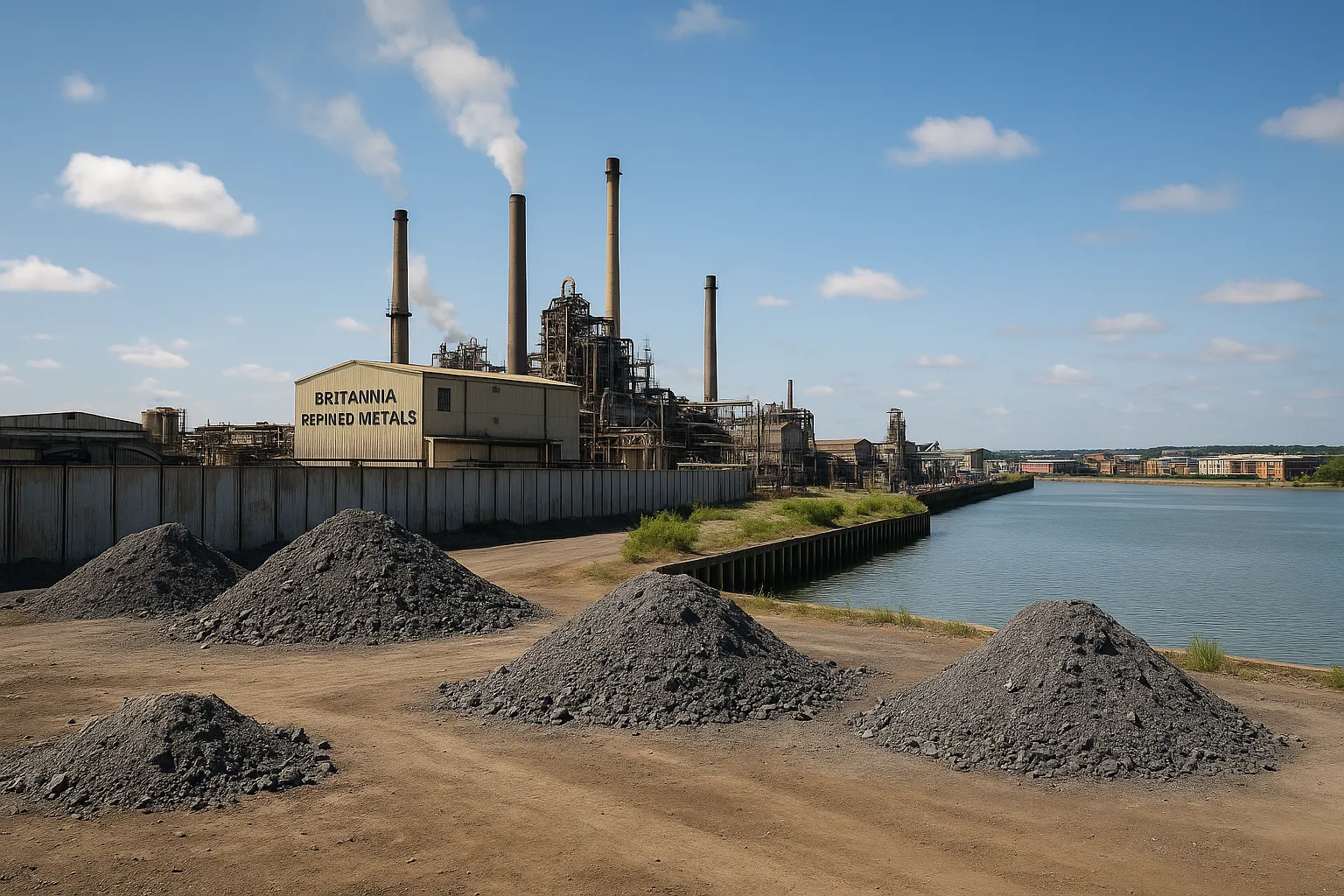
Britannia Refined Metals (BRM), a prominent lead producer that operates adjacent to the proposed site, has been at the centre of these contamination concerns. Employees at the BRM facility, which has been based in Northfleet for nearly a century, currently adhere to strict health and safety measures that include wearing protective equipment and undergoing routine medical evaluations to mitigate exposure risks. The inquiry left participants unable to establish a “safe” level of lead exposure, raising additional alarm.
In light of the decision, Ebbsfleet United expressed its profound disappointment and shock, calling for urgent clarification regarding health risks for individuals living near their stadium. The club has urged BRM, the Environment Agency, and government authorities to release comprehensive historical data related to air and soil lead levels in the area and to commission an independent assessment of long-term health implications for existing residents.
Gravesham MP Dr. Lauren Sullivan, alongside local council leader John Burden, joined the call for clear answers regarding the implications of the inquiry’s findings. Dr. Sullivan, who has a background in biomedical science, characterised the health concerns as “serious and cannot be ignored,” asserting that local residents have valid queries about what the inquiry’s conclusions signify for their community.
She noted that the inquiry specifically assessed whether a large residential project could safely be executed on that location but did not issue findings regarding the health of current residents. The club’s financial woes intensified as it faced a suspension from the National League due to an ongoing debt situation, which also played a role in the local development’s uncertainty.
BRM has actively sought to alleviate public fears, stressing that its operations are conducted under stringent regulations and oversight from environmental authorities. They reiterated their commitment to mitigating health risks and highlighted that the lead exposure levels discussed during the inquiry were particularly related to the new development’s proximity to its facility. In their statement, BRM underlined that they comply with industry-leading operational standards, insisting that their monitoring data is shared with regulatory bodies.
While the Environment Agency confirmed its role centred on BRM’s operational compliance, it advised that concerns surrounding health implications relevant to the wider community fall under the remit of local authorities. The UK Health Security Agency also clarified that it is the responsibility of local health bodies to assess public health issues related to lead exposure.
Looking ahead, Dr. Sullivan maintained that the need for housing in Gravesham remains critical. She expressed her commitment to ensuring that the locality can still pursue development that meets community needs while safeguarding public health. “I regularly hear from young people and families eager for affordable homes in the area,” she remarked, highlighting ongoing pressures related to local housing challenges.
The council is preparing its next Local Plan for consultation, which still includes provisions for the now-rejected site. Dr. Sullivan has scheduled discussions with Housing Secretary Angela Rayner to seek governmental support for housing needs while addressing public health concerns. Emphasising the importance of preserving the integrity and safety of local development, she stated, “Protecting public health should be an integral part of our housing strategy.”
The future of Ebbsfleet United remains uncertain, as the club navigates ownership changes while grappling with financial difficulties exacerbated by the planning decision. The impending sale of the club to a new ownership group holds promise for revitalisation, but developments in local planning and health concerns will continue to impact its potential for recovery.
As Gravesham faces considerable challenges in housing provision and environmental health, community leaders reiterate their dedication to ensure that any future developments reflect a balance between growth and safety. The project’s rejection underscores broader issues of urban planning within industrial settings, raising essential questions about community welfare and environmental integrity that will need to be addressed in the quest for sustainable development.
Our Thoughts
The refusal of the Northfleet Harbourside development highlights significant health and safety failures due to potential lead contamination from the nearby Britannia Refined Metals (BRM) facility. To avoid this situation, a comprehensive risk assessment should have been conducted prior to project approval, ensuring compliance with the Health and Safety at Work Act 1974, which mandates the protection of health and safety of workers and the public.
Key lessons include the necessity for thorough environmental assessments and monitoring of contaminants in the vicinity before approving large-scale developments. The lack of acceptable exposure levels presented during the inquiry signifies a breach of the Control of Substances Hazardous to Health Regulations 2002 (COSHH), which requires employers to prevent or adequately control exposure to hazardous substances.
Future developments should involve collaboration between development planners, health authorities, and environmental regulators early in the planning process to identify and mitigate potential health risks. Additionally, regular public health assessments should be mandated in industrial zones where residential developments are proposed to ensure ongoing safety for existing and future residents.