















Story Highlight
– Bricklayer broke back falling through barn roof.
– Contractor fined £20,000 for safety violations.
– No risk assessment conducted for the work.
– Injured worker required surgery for severe injuries.
– Falls from height are leading cause of fatalities.
Full Story
A bricklayer sustained severe injuries after a fall from a barn roof in Northumberland, prompting legal action against the construction company responsible for the site. The incident occurred while the 24-year-old was working for Len Smith & Son Building Contractors Limited to repair the roof at East Fleetham Farm in Seahouses on 5 February last year.
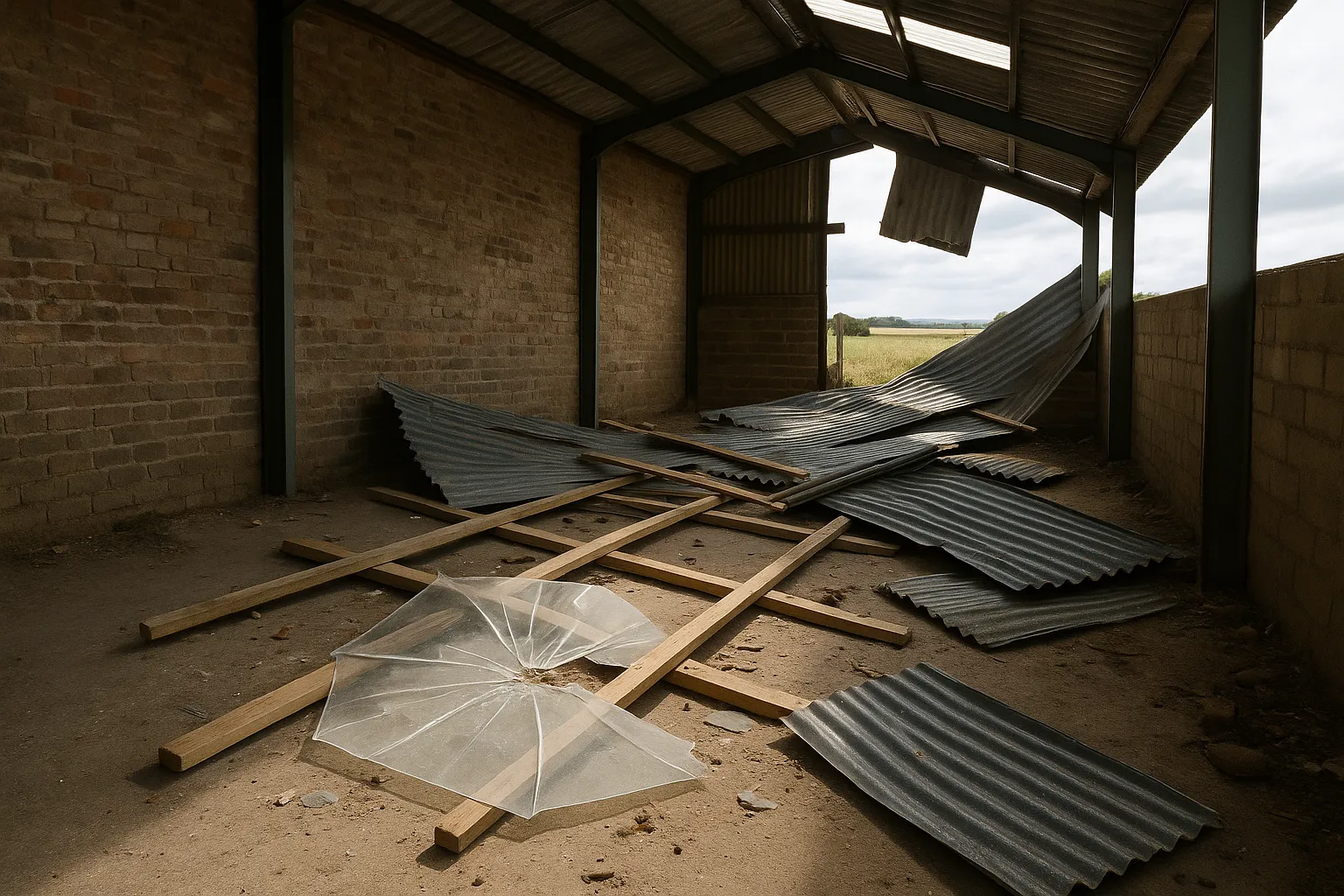
According to reports, the bricklayer fell approximately eight feet after stepping onto a polycarbonate sheet on the roof, which subsequently gave way under his weight. This unfortunate incident resulted in the worker suffering two broken vertebrae and a fractured sternum, necessitating surgical intervention to address his injuries.
Following a thorough investigation led by the Health and Safety Executive (HSE), it was discovered that the company had not implemented sufficient safety measures to protect employees and subcontractors working at height. Evidence revealed a troubling lack of a risk assessment and a safe working system for the activities being conducted, which are fundamental obligations under health and safety regulations.
In light of these findings, Len Smith & Son Building Contractors Limited, based at East House, Meadow Lane, Beadnell, faced legal proceedings during which they admitted to breaching sections 2(1) and 3(1) of the Health and Safety at Work Act of 1974. The North Tyneside Magistrates’ Court handed down a fine of £20,000 to the company and ordered them to cover £5,744 in costs.
Richard McMullen, an inspector for the HSE, commented on the severity of the case, noting, “The outcome of this case could have been much worse, but the man’s injuries were still very serious.” He emphasized the ongoing risks faced by construction workers, stating that falls from height remain the foremost cause of workplace fatalities in Great Britain. In the past year alone, 31 individuals lost their lives due to such accidents.
The construction industry continues to be a leading sector for workplace fatalities, highlighting a concern that extends beyond just loss of life. According to HSE figures, falls from height accounted for over a quarter of all work-related deaths in the reporting period of 2025/26. McMullen stressed the importance of compliance with health and safety regulations, reiterating that “we will prosecute those that fail to protect people while at work.”
The HSE has clear guidelines outlining the responsibilities of employers in safeguarding employees against falls from height. This includes the necessity for thorough planning of work operations, adequate supervision, and ensuring that such tasks are carried out by trained and competent personnel. The emphasis on these protocols is critical, especially considering the high incidence of serious, life-altering injuries resulting from falls.
Local construction experts have echoed the sentiments expressed by the HSE regarding the importance of rigorous safety practices on work sites. Many industry professionals assert that companies must be proactive in cultivating a safety-first culture to reduce accidents. By conducting comprehensive risk assessments and implementing effective training programs, companies can help mitigate the dangers of working at height, which is common in construction-related activities.
The bricklayer’s case serves as a pivotal reminder of the potential consequences of neglecting health and safety standards in the construction industry. As highlighted in this incident, the physical and psychological toll on workers can be profound, impacting not just those injured but also their families and communities.
In the aftermath of the incident, the focus has also turned to creating more awareness and education around health and safety measures in construction. Workers and employers alike are encouraged to engage in dialogue regarding safety practices and advocate for better conditions on worksites. By fostering a collaborative approach, stakeholders in the industry can work together to ensure that serious injuries and fatalities are minimised.
Furthermore, the HSE continues to monitor safety compliance among businesses across all sectors, with regular inspections and enforcement actions aimed at holding companies accountable for their safety responsibilities. As part of their ongoing commitment to improving workplace safety, the HSE has reiterated its zero-tolerance stance towards violators of health and safety regulations.
The case at East Fleetham Farm underscores the necessity for construction firms to prioritise safety as an integral component of their operations. With increased vigilance, training, and adherence to legal and safety guidelines, the industry can move towards a future where such accidents become a thing of the past.
In conclusion, the serious fall experienced by the bricklayer at a Northumberland farm exemplifies the critical need for robust health and safety measures in the construction industry. As stakeholders continue to address these concerns, it is hoped that greater vigilance and commitment to safety will significantly reduce the risks associated with working at height, protecting the lives and wellbeing of workers across the sector.
Our Thoughts
The incident involving the bricklayer who fell through a roof highlights significant lapses in safety protocols by Len Smith & Son Building Contractors Limited. To avoid such accidents, the company should have conducted a thorough risk assessment and established a safe system of work prior to engaging in any work at height, as stipulated by the Health and Safety at Work Act 1974.
Key safety lessons include the necessity for proper training and supervision of workers regarding the risks associated with fragile surfaces, like polycarbonate sheets. Additionally, implementing effective fall protection measures, such as guardrails or safety harnesses, could have mitigated the risk of such a serious injury.
The investigation revealed breaches of Sections 2(1) and 3(1) of the Health and Safety at Work Act 1974, which mandate employers to ensure the health and safety of their employees and non-employees.
To prevent similar incidents, companies in the construction sector must prioritize workplace safety by adhering to HSE guidelines on working at height. Regular training and risk assessments should be part of a robust safety culture within the industry.