












Story Highlight
- Sweden called for a paraquat ban over 20 years ago.
- US states Vermont and California recently banned paraquat due to risks.
- Syngenta withheld paraquat health effect data from the EPA.
- Over 70 countries have banned paraquat due to health concerns.
- Critics highlight EPA’s failure to protect public health effectively.
Full Story
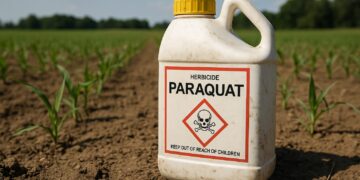
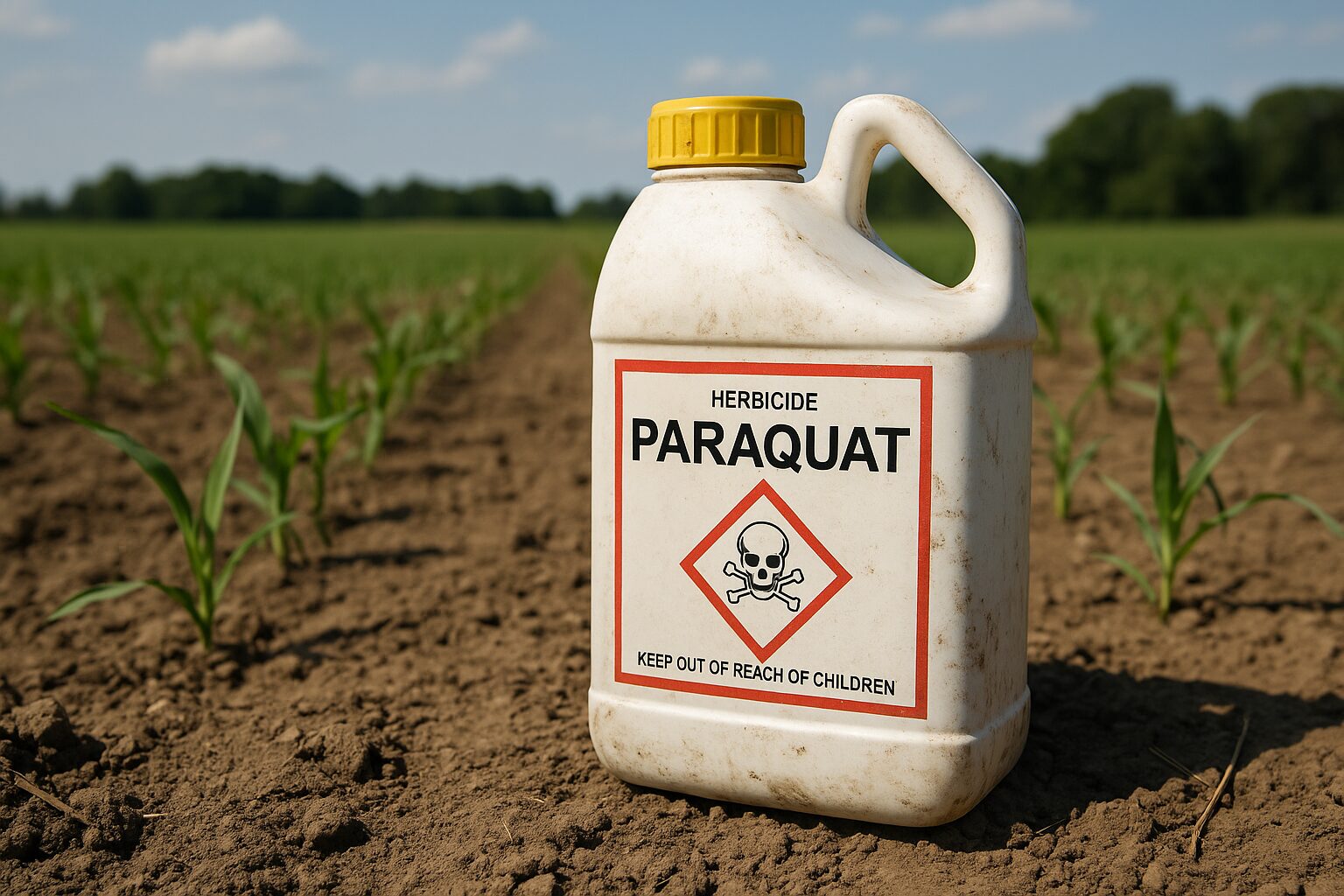
Sweden has been advocating for the prohibition of paraquat, a herbicide, since 2004. Following Sweden’s lead, numerous countries worldwide have also moved to ban the chemical amid increasing evidence of its health risks. Notably, China halted domestic production of paraquat in 2013 after its own safety studies revealed concerning results. In the United States, states such as Vermont and California have banned paraquat, linking it to Parkinson’s disease, following years of scientific research supporting this association. In August, California regulators disclosed that paraquat manufacturers agreed to cease sales in the state due to identified health concerns.
Despite the worldwide trend of bans, the US Environmental Protection Agency (EPA) still approves paraquat usage over large agricultural areas and has downplayed scientific findings connecting the herbicide to Parkinson’s disease. In June, the EPA announced plans for a round table to review paraquat’s safety, but no such event has occurred as of yet.
Recent court disclosures reveal internal records from Syngenta, the multinational parent of paraquat, indicating the company’s strategies to maintain its US market despite global declines in paraquat usage. Between 2000 and 2018, paraquat usage in the US reportedly nearly tripled even as many countries were enacting bans. The records suggest that Syngenta did not share significant internal data with the EPA regarding the health risks of paraquat, including how the chemical permeates clothing and its absorption rates into the human body.
Evidence from litigation has revealed that Syngenta employed tactics to downplay scientific evidence connecting paraquat to chronic health issues, including Parkinson’s disease. The documents show that the company did not disclose certain findings, despite its obligation under federal law to report any unreasonable adverse effects associated with paraquat. The records, including approximately 3,700 pages, were submitted to a Pennsylvania state court amidst ongoing lawsuits from individuals claiming to have developed Parkinson’s from paraquat exposure. Although a recent lawsuit was dismissed, many more cases are pending.
Syngenta has stated that it has never intentionally withheld relevant information from regulators and asserts that there is no established link between paraquat and Parkinson’s disease. In light of the increased litigation expenses, exceeding $187 million for a settlement in 2021, Syngenta announced plans to cease all global paraquat production earlier this year.
Despite this, the EPA maintains that there is no conclusive evidence linking paraquat to Parkinson’s or cancer, and continues to emphasise that the herbicide is a necessary tool for farmers. Critics argue that the situation illustrates significant flaws within the EPA, claiming that the agency prioritises corporate interests over public health. In contrast, Syngenta argues that it complies with all regulatory requirements and that concerns regarding omitted data are misrepresented.
Syngenta and the EPA have responded to concerns about the implications of unreleased data, with the EPA indicating that it is open to additional information that could inform its assessments. The Federal Insecticide, Fungicide and Rodenticide Act mandates that pesticide companies must report substantial adverse health effects even after a product is approved for market distribution.
Source: read the original report.
What this means for your site
The case of paraquat’s prolonged use in the US, despite widespread international bans, underscores significant lapses in compliance with health and safety protocols. Companies must prioritize transparency and compliance to prevent similar incidents. Syngenta’s failure to share critical safety data on paraquat with the EPA violates the Federal Insecticide, Fungicide and Rodenticide Act, which mandates that companies report any unreasonable adverse effects associated with their products. This situation could have been mitigated by performing more rigorous internal analyses of product safety and ensuring all findings, positive or negative, are disclosed to regulatory bodies. Additionally, established safety protocols should include effective communication channels for reporting adverse findings about chemical products, fostering a culture of transparency and safety.
To prevent similar occurrences, sites handling pesticides must adopt thorough training programs for their employees regarding the risks associated with chemical exposure, in line with the Management of Health and Safety at Work Regulations 1999. Regular audits can be conducted to ensure compliance with safety legislation, alongside an emphasis on using personal protective equipment as outlined in COSHH 2002. Implementing these steps will reinforce a proactive approach to chemical safety on-site.