















Story Highlight
– Pharmacists propose 32C limit for home workers’ temperatures.
– UK faces record high summer temperatures, reaching 38C.
– Health and Safety Executive to consult on workplace temperatures.
– Employers urged to safeguard workers during extreme heat.
– No legal maximum temperature currently exists for workplaces.
Full Story
Concerns are mounting over workplace temperature regulations as heatwaves become increasingly prevalent across the UK. Following warnings from health professionals and lawmakers, calls for a maximum indoor temperature of 32°C for home workers have gained traction. These issues are underscored by alarming forecasts predicting extreme temperatures leading up to 38°C in some regions, prompting concerns of an escalating “national emergency” in relation to wildfires.
As the UK braces for its fifth heatwave this summer, the Met Office has suggested that temperatures could soar to 33°C midweek, with potential peaks reaching 37°C or even 38°C just a day later. The intensity of this heat has led the Met Office to issue rare amber warnings due to “extreme heat” for London and various parts of the South East, East Midlands, and other regions. These warnings will be in effect from 9 am to midnight, signalling the seriousness of the current climate situation.
The rising temperatures have prompted a renewed discussion regarding workplace safety measures, especially in light of health risks associated with heat exposure. In many countries, existing regulations set clear upper limits for indoor temperatures at workplaces to protect employee health, yet the UK has yet to establish similar definitive guidelines. In response to these concerns, the Department for Work and Pensions (DWP) announced that the Health and Safety Executive (HSE) will consult on the potential introduction of maximum temperature regulations for workplaces.
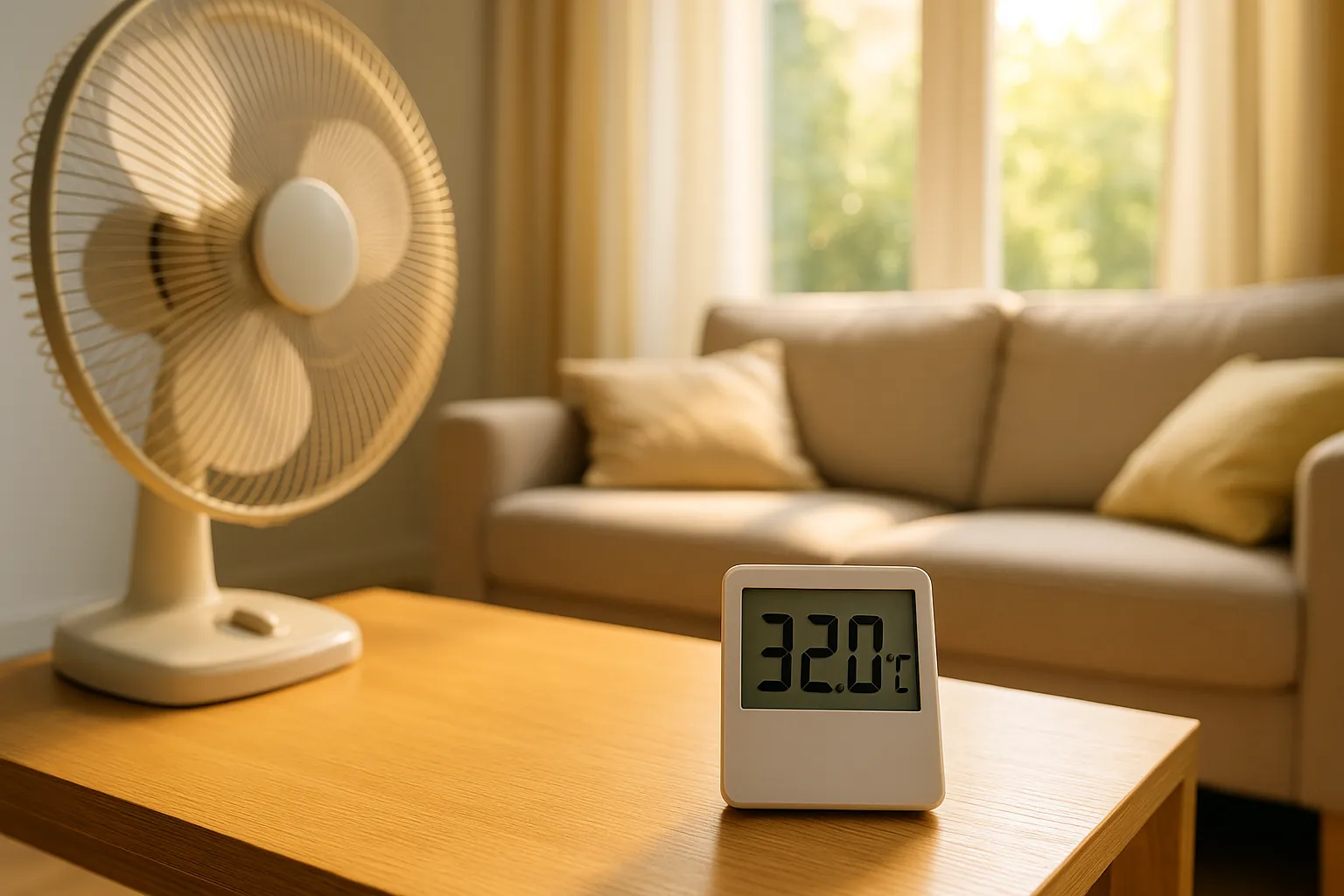
The National Pharmacy Association expressed the importance of maintaining a comfortable working environment, recommending a room temperature of below 32°C during day hours and below 24°C at night. This advice highlights the necessity for monitoring indoor temperatures during extreme heat events, encouraging individuals and employers alike to take the initiative in safeguarding working conditions.
Parliamentarians have raised these issues at the governmental level. In a recent session, MP Tanmanjeet Singh Dhesi questioned the Secretary of State for Work and Pensions, Pat McFadden, regarding assessments made about the effectiveness of existing workplace temperature legislation amid increasing heatwaves. Sir Stephen Timms, the Minister of State for Social Security and Disability, reiterated that current regulations indeed require employers to ensure a “reasonable” temperature for indoor workspaces, as outlined by the Workplace (Health, Safety and Welfare) Regulations 1992.
Timms clarified that while employers are legally bound under the Management of Health and Safety at Work Regulations 1999 to conduct thorough risk assessments regarding employee welfare—taking into account extreme weather—the current legislative framework does not specify a maximum temperature. Nevertheless, Timms confirmed that the HSE is in the process of reviewing the Approved Code of Practice (ACOP) related to these regulations, with an eye on adapting to modern workplace environments.
Further inquiries from MP Ayoub Khan sought clarity on the number of inspections conducted by the HSE concerning excessive workplace temperatures over the last five years. Timms explained that the HSE prioritises its inspections based on the severity of risks and focuses on those employers with poor safety records. There have been no specific proactive inspections regarding workplace temperature, signalling a gap in direct oversight for heat-related issues.
Nonetheless, the HSE employs a variety of strategies to address workplace safety, including the provision of guidance and support to employers grappling with extreme heat conditions. A press release from the HSE in June urged employers to take immediate action to protect their staff during soaring temperatures. This call importantly highlighted the necessity for employers to create preparedness plans that enable them to accommodate workers in extreme heat, safeguarding both their health and productivity.
The absence of a legally defined maximum workplace temperature presents a significant challenge, as the HSE stipulated that heat must be managed as a hazard akin to any other workplace risk. In this regard, the HSE is resolute that employers must evaluate health risks tied to weather conditions and implement appropriate measures to mitigate them.
As the climate crisis persists and heatwaves become more routine, the ongoing dialogue about workplace temperature regulations is likely to intensify. Advocates for change argue that robust guidelines are essential to protect workers from the increasingly hazardous climate conditions they face. As the public consultation from the HSE is anticipated, stakeholders are urged to engage proactively, contributing their views on the importance of establishing temperature limits that safeguard the health and well-being of workers across the UK.
The trend towards hotter summers suggests that workplaces will continually need to adapt to ensure the safety of their employees. Highlighting the need for systemic change, many industry experts advocate for legislative reforms that align the UK’s regulations with those of other countries where maximum temperature limits are already in place. As the situation develops and extreme weather patterns continue to affect daily life, the call for a clearer framework surrounding workplace temperature regulations becomes ever more pressing.
Our Thoughts
The article highlights the ongoing concerns regarding extreme heat in the workplace and the response of the Health and Safety Executive (HSE). Key safety lessons emphasize the importance of proactively managing temperature-related risks. Under the Workplace (Health, Safety and Welfare) Regulations 1992, employers have a legal obligation to provide a reasonable working temperature and assess risks under the Management of Health and Safety at Work Regulations 1999.
To avoid future issues, employers should implement preventive measures, such as assessing thermal comfort, providing cooling systems, and educating employees on how to recognize heat-related illnesses. There is a clear need for a defined maximum workplace temperature to align UK standards with those in other countries, thereby offering clearer guidance for compliance.
The lack of proactive inspections by the HSE regarding excessive temperatures suggests a gap in enforcement that must be addressed. Regular audits, alongside the proposed consultation on workplace temperature regulations, could strengthen compliance. Employers should take extreme weather into account as a regular aspect of risk assessment, thus ensuring that worker health and safety are prioritized, thereby sustaining productivity during heatwaves.