














Story Highlight
– More gay and bisexual men are donating blood now.
– Donor eligibility rules changed in 2021 for inclusivity.
– 7.5% of male donors identify as LGBTQ+ now.
– No impact on blood safety with new assessments.
– Increased donations benefit patients needing transfusions significantly.
Full Story
A recent survey has indicated a significant increase in blood donations from gay and bisexual men across England, coinciding with the implementation of revised eligibility guidelines introduced in 2021. These changes, intended to create a more inclusive environment for potential donors, have altered the landscape of blood donation in England, Scotland, and Wales.
The survey encompassed responses from 8,744 male donors, revealing that 7.5% identified as bisexual, gay, pansexual, queer, bicurious, or sexually fluid. This marks a substantial rise from the 1.8% reported in a similar survey conducted in 2014, reflecting changes in perceptions and policies regarding blood donation amongst these communities.
Previously, regulations dictated that men were barred from donating blood if they had engaged in any sexual activity with another man within the twelve months prior to donating. This restriction was modified in 2017, when the deferral period was halved to three months. The landmark changes in 2021 further shifted the criteria, permitting individuals who have been in a monogamous relationship with the same partner for three months to become eligible donors. Today, eligibility is assessed based on individual health, travel history, and sexual behaviour, rather than blanket restrictions.
Thomas Yates, a gymnastics coach hailing from Westhoughton in Greater Manchester, is among the individuals who have embraced this opportunity to give back. He successfully donated blood for the first time in 2021 and has since accomplished this 16 times. His motivation stems from personal experience, particularly his grandfather’s battle with leukaemia, which required regular blood transfusions. Yates expressed his strong feelings about the importance of blood donation, stating, “I feel very passionate about it – you are literally saving someone’s life with one hour of your time, it’s something we should all do as part of the human race.”
Reflecting on the barriers faced in the past, Yates recounted how disheartening it was to be denied the chance to donate in 2018. “I felt it was another way queer people are marginalised,” he stated, recalling how fit and healthy he was at the time. Following the policy updates in 2021, he quickly secured a donation appointment at the Plymouth Grove donor centre in Manchester, describing the experience as a moment of great joy. “I felt elated afterwards, proud that I was able to donate, pleased the rules had changed,” he shared emotionally.
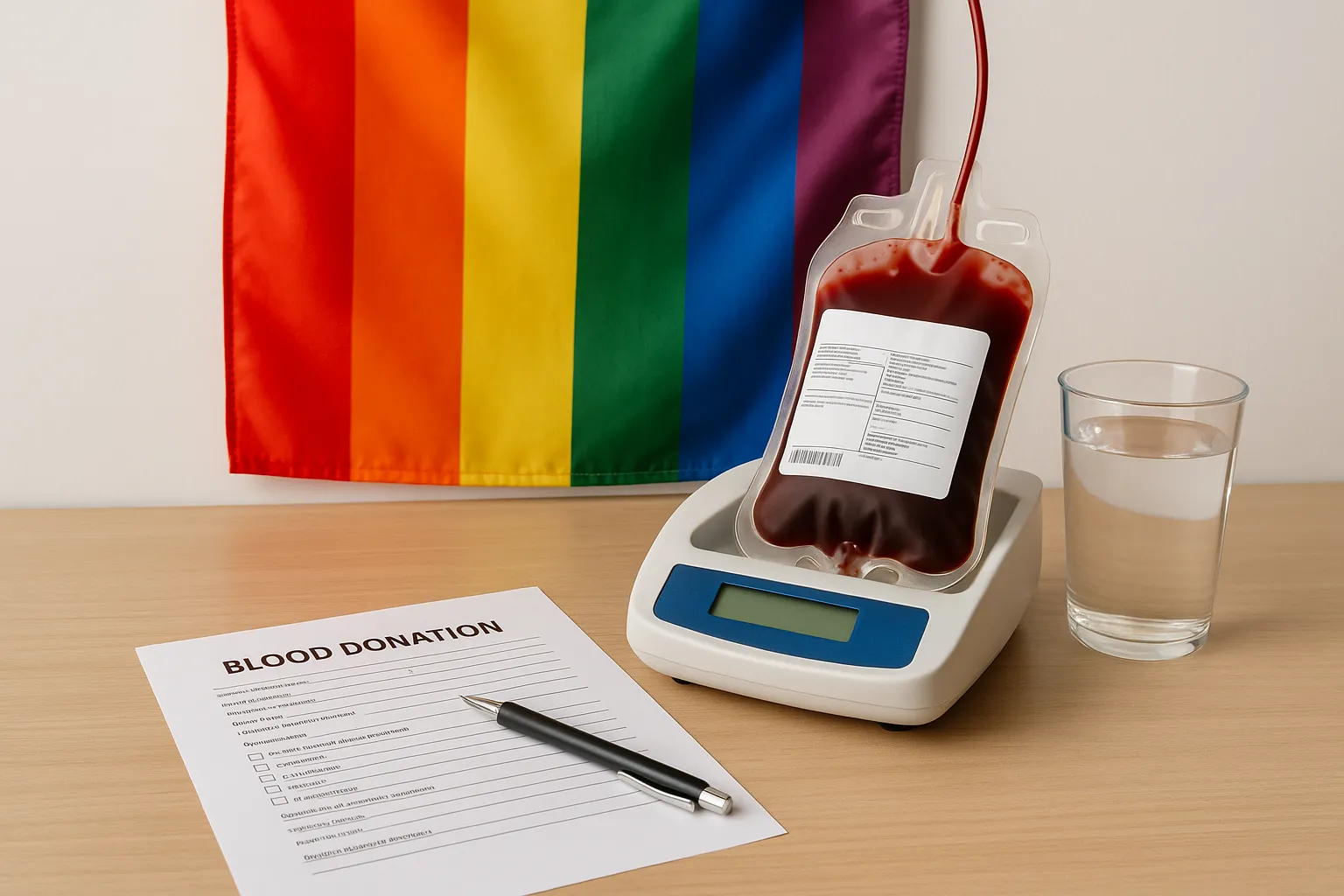
Yates elaborated on the donation process, noting how straightforward it is, calling attention to the welcoming environment fostered by the staff. “Honestly, it’s so easy to donate. You complete the form, have a drink, have the screening chat, and then go and donate blood. The staff are so friendly,” he added. He expressed hope that the upward trend in the number of queer individuals donating would change perspectives on who can be a blood donor.
Experts have underlined the significance of these findings. Su Brailsford, a consultant in epidemiology and health protection at NHS Blood and Transplant, remarked on the prioritisation of safety throughout the changes. “Donation became more inclusive but safety remained the priority,” she affirmed. The survey results suggesting an increase in donations from gay and bisexual men prompted her to express encouragement at the increased attendance of new donors at donation centres.
Katy Davison from the UK Health Security Agency further commented on the evolving landscape of blood donation eligibility. “More people are now eligible to donate blood based on their health, travel and sexual behaviour,” she explained. Davison referenced the annual NHS Blood and Transplant and UK Health Security Agency blood safety report, which highlighted that the individualised assessments introduced have not adversely affected blood safety standards, even as they allowed a broader range of individuals to participate in blood donation.
Ellouise Bishop from the charity Anthony Nolan also voiced her support for the increase in inclusivity regarding blood donations. “At Anthony Nolan we see every day how critical blood donors are – for patients with blood cancers and blood disorders, transfusions of red blood cells and platelets can be a vital supportive treatment during their stem cell transplant journey,” she stated. Bishop found it heartening to observe evidence of more gay and bisexual men stepping forward to donate, reinforcing the idea that more inclusive donor assessments can save lives.
This encouraging shift within the blood donation community not only signifies a positive trend but also highlights the ongoing importance of advocacy in dismantling stereotypes and promoting inclusivity. As more individuals across the LGBTQ+ spectrum take part in blood donation, it reflects a broader cultural change towards acceptance and understanding.
Ultimately, the latest data underscores a growing recognition within society that every eligible individual, regardless of their sexual orientation, can contribute significantly to public health. The movement towards a more inclusive blood donation framework may serve as a catalyst for further progress, ensuring that the vital need for blood donation is met while simultaneously fostering a more open and accepting community.
Our Thoughts
The article highlights significant changes in blood donation eligibility for gay and bisexual men in the UK but does not present safety concerns or incidents requiring analysis. However, it underscores the importance of inclusivity alongside maintaining safety standards, which has been addressed through updated assessments based on individual health and behaviors rather than blanket deferrals based on sexuality.
Key lessons include the necessity of continuous review of donation policies to align with evolving understanding of health risks associated with sexual behavior, as per the UK Blood Safety and Quality Regulations 2005. The previous 12-month deferral policy could have marginalized healthier individuals, which was eventually recognized and amended, reflecting compliance with the Equality Act 2010.
To prevent potential discrimination and promote safety, ongoing training and awareness should be implemented to ensure staff can effectively assess individual donor eligibility comprehensively. Creating an inclusive environment may also encourage increased participation, ultimately benefiting blood supply and patient care without compromising safety measures.