















Story Highlight
– Lone worker safety is now a boardroom priority.
– Key solutions include Vismo, StaySafe, and SoloProtect.
– Employers must comply with Health and Safety regulations.
– Solutions vary based on workforce size and risks.
– Regularly assess solutions for user adoption and effectiveness.
Full Story
Lone worker safety has increasingly shifted from being a mere compliance issue to a prominent consideration at the highest levels of corporate governance. The necessity for vigilant monitoring and protection of employees who operate independently—be it a district nurse wrapping up a home visit late at night, a utility engineer stationed at a remote substation, or a security officer conducting nighttime patrols—is now more pressing than ever. Both legal and ethical responsibilities to ensure the safety of these workers have become unequivocally established.
As organisations look ahead to 2026, several lone worker safety solutions demand attention. Notable providers include Vismo, StaySafe, SoloProtect, Peoplesafe, and Aware360, each offering unique features tailored to different organisational needs. Selecting the appropriate solution hinges on the workforce’s size, the associated risks, and geographical considerations.
The statutory obligations surrounding lone worker safety are grounded in the Health and Safety at Work Act 1974, which, along with the Management of Health and Safety at Work Regulations 1999, imposes clear responsibilities on employers. Neglecting to protect lone workers poses not only regulatory repercussions but can also severely damage a company’s reputation.
### Leading Lone Worker Safety Providers for 2026
**1. Vismo**
Vismo has emerged as a comprehensive global risk management platform geared towards businesses with diverse workforces, particularly those operating internationally or in hazardous environments. The company’s approach to lone worker safety integrates technologies such as GPS tracking, geofencing, emergency alerts, and satellite connectivity—an essential feature for teams working beyond traditional mobile coverage.
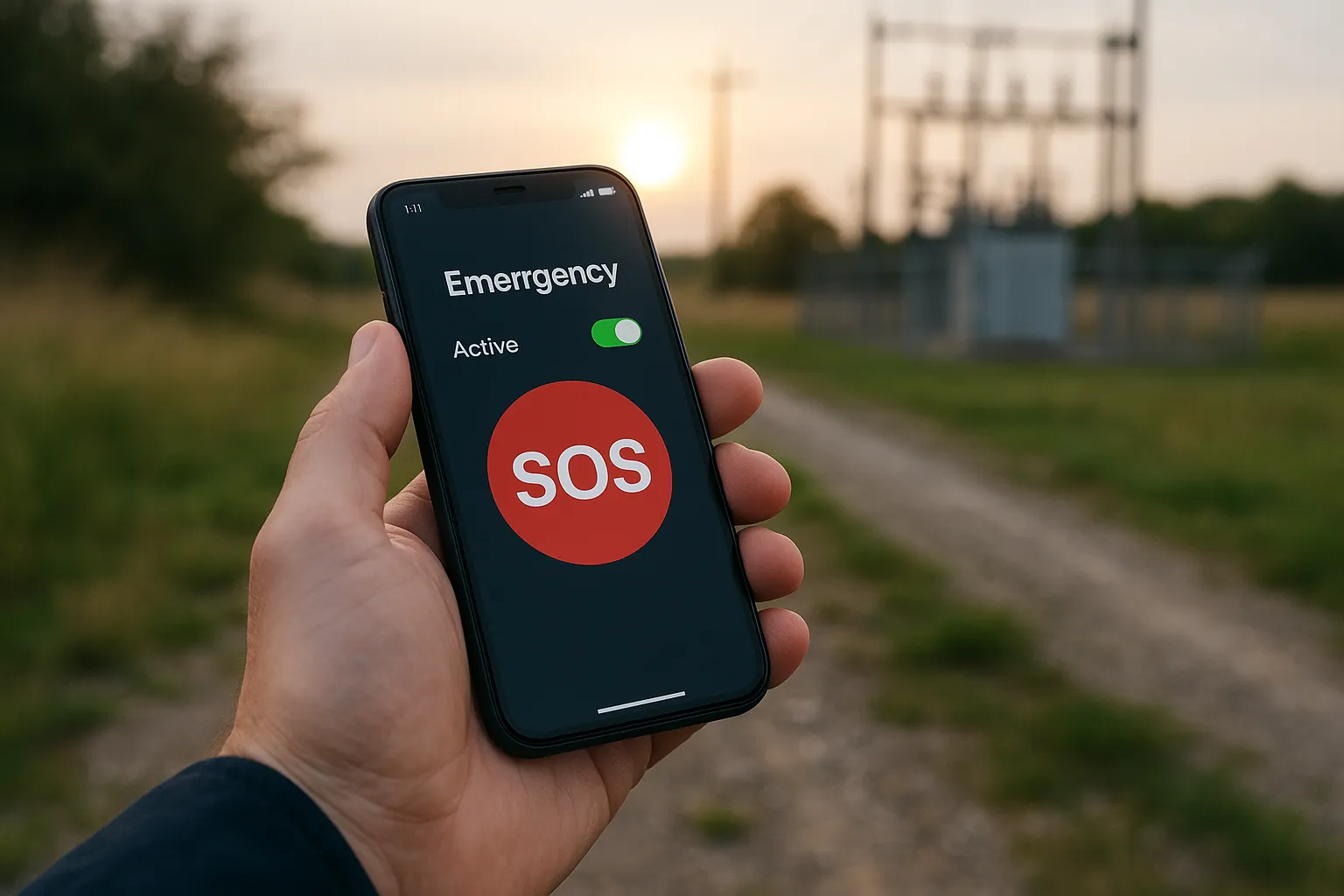
The platform’s capabilities extend to real-time GPS tracking across various devices, automated check-ins with escalation protocols, man-down detection, and emergency SOS functionalities. Its mass notification system facilitates urgent communications to the entire workforce, enhancing both lone worker management and overall incident response strategies. However, while Vismo is robust for enterprise and mid-market organisations, smaller businesses may find the system overly elaborate for their needs.
**Best For:** Large organisations seeking a unified platform for managing distributed workforces and requiring satellite connectivity or specialist emergency notifications.
**2. StaySafe**
Now a part of the EcoOnline suite, StaySafe has established itself as a well-recognised app-based platform in the UK. The recent integration has expanded its functionalities within a broader environmental health and safety framework. Core features include check-ins, alerts for missed check-ins, GPS tracking, man-down detection, and a panic button. For organisations preferring human oversight, a 24/7 monitoring centre is available.
StaySafe’s user-friendly app is often highlighted as a significant advantage in environments where encouraging user adoption is challenging. The inclusion of a Satellite Mode extends its application to workers in areas with limited mobile connectivity, ensuring that safety protocols remain in place regardless of location.
**Best For:** Small to medium-sized enterprises seeking a reputable, app-based solution, especially those already utilising EcoOnline’s health and safety management platform.
**3. SoloProtect**
With a strong reputation particularly in the UK, SoloProtect utilises a dedicated hardware device known as the SoloProtect ID, which also serves as an employee identification card. This tool has become essential in sectors such as housing, social care, and utilities. The device connects to a 24/7 Alarm Receiving Centre, enabling workers to escalate incidents to trained professionals who can evaluate the situation and alert emergency services if necessary.
SoloProtect also features a smartphone app, providing flexibility for organisations depending on their workforce dynamics. While the physical hardware approach offers a distinct advantage in high-risk settings, it necessitates consideration of the costs and logistical factors associated with device management.
**Best For:** Industries including housing and social care that require a robust, dedicated device with constant monitoring capabilities.
**4. Peoplesafe**
Peoplesafe, formerly known as Skyguard, has a longstanding presence in the UK lone worker market with an acclaimed, monitored service that provides various device options alongside its app. Their emphasis is on 24/7 oversight, ensuring that the response to alarms is handled by trained operators who coordinate with emergency services using the worker’s GPS data.
The broad applicability of Peoplesafe across numerous sectors, coupled with their well-regarded monitoring infrastructure, makes them a formidable option for organisations prioritising human intervention during emergency situations.
**Best For:** Companies in high-risk areas where a managed alarm response is critical, and technology integration is less of a priority.
**5. Aware360 (SafetyAware)**
Originating from North America but expanding its reach internationally, Aware360 offers a cloud-based platform that includes features such as GPS tracking, check-ins, man-down detection, and hazard monitoring. Their SafetyAware product is particularly beneficial in sectors known for high-risk and physically demanding work environments, such as oil and gas, utilities, and construction, facilitating both device and app integration.
**Best For:** Operators in industries requiring comprehensive hazard monitoring capabilities integrated into the lone worker safety solutions.
### Evaluating Lone Worker Safety Solutions
Organisations considering lone worker safety solutions should establish key evaluation criteria to differentiate between basic systems and those that excel.
An array of considerations includes:
– **Real-time GPS tracking**: Is there visibility into a worker’s location at any given moment?
– **Check-in and escalation protocols**: Does the system alert appropriate parties if a worker fails to check in?
– **Two-way communication**: Can workers initiate alarms and communicate with monitoring personnel?
– **Man-down detection**: Does the solution identify when a worker has fallen or is unresponsive?
– **Monitoring centre availability**: Is there continuous human oversight, or are escalation procedures automated?
– **Type of solution**: Does your workforce require dedicated devices, or would smartphone apps suffice?
– **Integration capability**: Particularly important for larger organisations wanting seamless operation within existing systems.
### Conclusion
The legal imperative regarding lone worker safety firmly rests with employers, and lapses in compliance can result in significant consequences—both in terms of regulatory sanctions and reputational damage. Thankfully, the market for safety solutions aimed at lone workers has matured significantly, offering an array of platforms suited to various operational needs and budgets.
For organisations with complex, international teams requiring advanced connectivity and unified safety management, Vismo represents a compelling option. Conversely, smaller operations seeking an easy-to-use app might find StaySafe or SoloProtect more aligned with their needs. Ultimately, the emphasis should lie in selecting a solution that ensures consistent usage among employees, as the effectiveness of any safety platform hinges on its adoption.
Our Thoughts
The article emphasizes the evolving focus on lone worker safety, highlighting the importance of employers’ duty of care under the Health and Safety at Work Act 1974 and the Management of Health and Safety at Work Regulations 1999. To avoid incidents involving lone workers, organizations must conduct thorough risk assessments and implement robust safety measures aligned with the identified risks. This could involve regular training for employees on emergency procedures and the use of technology for real-time monitoring.
Key safety lessons include the necessity for appropriate alarm systems, GPS tracking, and communication capabilities tailored to the specific circumstances and risks associated with lone working. Employers should also evaluate and select suitable lone worker safety solutions that match their workforce profile and operational environments, ensuring consistent usage to maximize safety effectiveness.
Any failure to implement such measures could breach statutory duties outlined in health and safety regulations, leading to both legal repercussions and reputational damage. Similar incidents can be prevented by fostering a culture of safety, ensuring that all employees are aware of emergency protocols and have access to the necessary technology that prioritizes their safety while working alone.