







Story Highlight
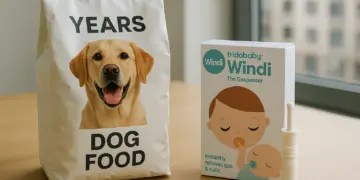
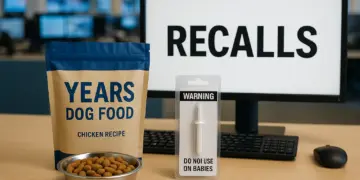
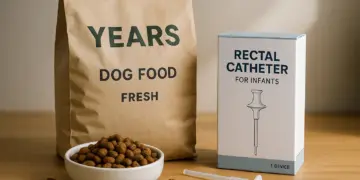
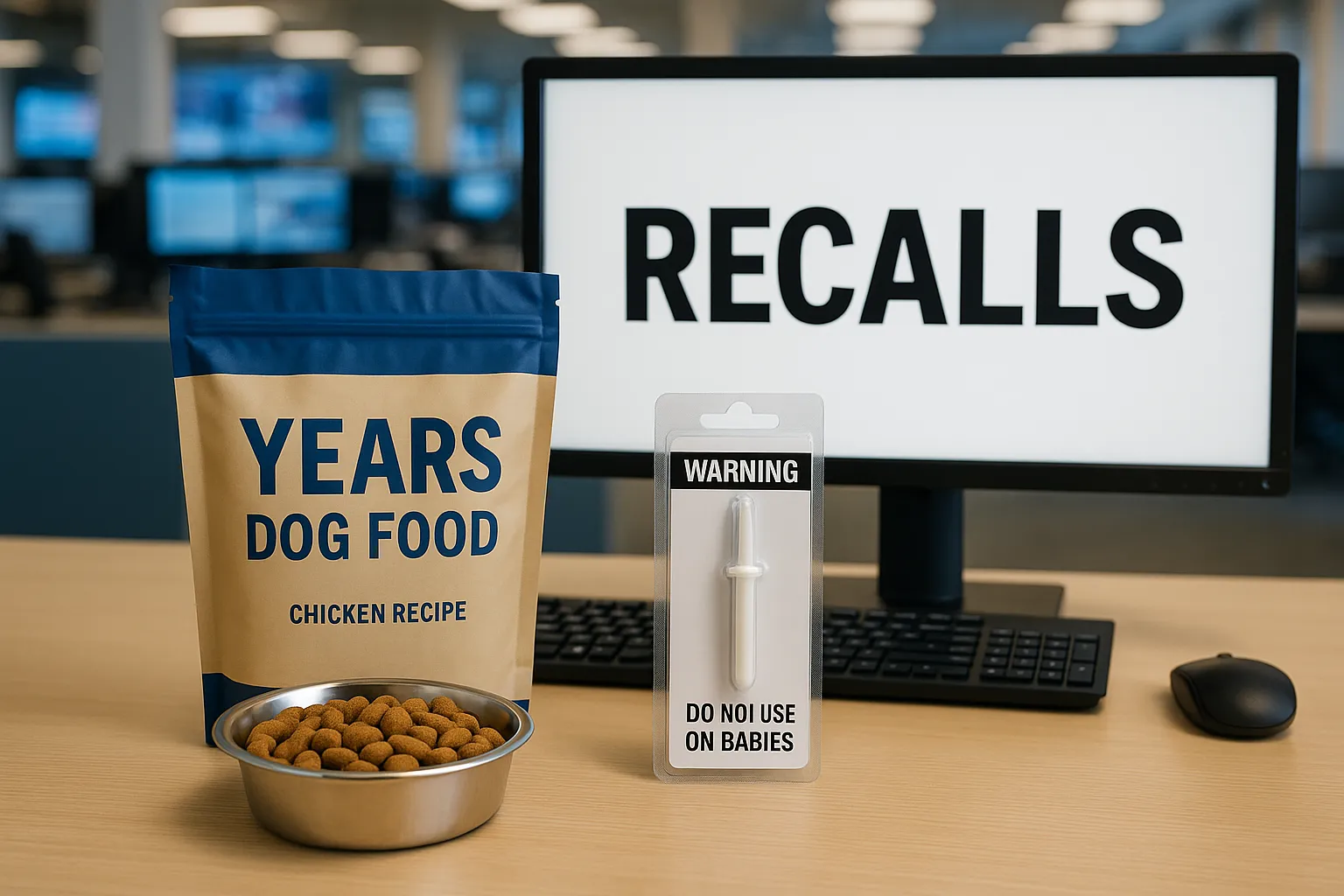
– Years dog food recalled due to eye issues in pets.
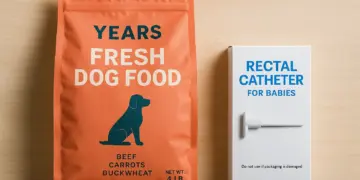
– Parents warned against using rectal catheters for babies.
– A.Vogel Ltd recalls seeds due to E. coli contamination.
– Home Bargains recalls crisps for unlabeled allergens.
– Gü dessert removed for undeclared hazelnuts and soya.
Full Story
An urgent reminder has been issued concerning product recalls and safety warnings this week, including a significant alert regarding a dog food brand and a medical device aimed at infants.
**Dog Food Brand Issues Recall After Eye Problems in Pets**
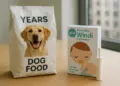
Innovative pet food provider Years has implemented a substantial recall of its entire range of dog food products following alarming reports of eye issues amongst dogs. The company has decided to suspend all subscriptions and has retrieved its fresh meal offerings after over fifty dogs were observed displaying symptoms of keratoconjunctivitis sicca, commonly referred to as “dry eye,” which has severely affected the vision of some impacted pets.
The eye problems were predominantly reported in cases that arose after August 12, leading to suspicions that a specific ingredient introduced earlier this year—buckwheat—could be the source of the issue. The company has initiated an in-depth investigation in conjunction with veterinary experts, independent professionals, and affected customers to explore the root cause of these disturbing reports.
**Warnings for Parents Regarding Medical Device Usage on Infants**
In an unrelated but equally concerning development, the Medicines and Healthcare products Regulatory Agency (MHRA) has delivered an urgent caution regarding the use of rectal catheters for babies. Issued on August 18, the Device Safety Information (DSI) warning advises parents against using these devices, which have been marketed online and in retail establishments without necessary prescriptions.
These catheters have been employed by some caregivers with the intention of alleviating colic, constipation, and gastrointestinal discomfort in infants. However, Dr Alison Cave, Chief Safety Officer at MHRA, underscored the absence of sufficient clinical evidence to endorse their safety and effectiveness. “We understand that digestive discomfort and colic can be distressing for babies and their families,” she stated. Dr Cave urged caregivers to seek advice from healthcare professionals and adhere to NHS guidelines when concerns about their child’s health arise.
**Recent Food Recalls Affecting UK Supermarkets**
In light of recent food safety alerts, shoppers across the UK are advised to review their pantry and refrigerator contents carefully. Major supermarket chains, such as Waitrose and Tesco, are involved in a series of recalls which have come about due to identified safety risks associated with various food products.
Affected consumers have been instructed not to consume these items, irrespective of their appearance or aroma. These recalls cover a diverse array of concerns, particularly regarding certain seeds, snacks, and sweet treats.
**Seed Products Under Scrutiny**
A.Vogel Ltd has declared a recall of its Rapunzel bioSnacky Das Original Red Clover Seeds due to potential contamination with E. coli (STEC), a pathogen that can induce severe gastrointestinal symptoms, including intense diarrhoea and abdominal pain. In extreme cases, the infection can progress to haemolytic uremic syndrome (HUS), a serious condition that may result in kidney failure. The affected seeds are packaged in 30-gram units with a batch code of 11293 and a best-before date of December 2028.
**Snack Product Recall at Home Bargains**
Home Bargains has similarly withdrawn a snack product off its shelves, following a notification from the Food Standards Agency (FSA) about potential health risks. ASR Solutions Ltd recalls its Lays Sour Cream & Dill Crisps due to a labelling oversight. The packaging fails to declare milk and wheat (gluten), posing an allergy risk for individuals sensitive to these ingredients. These crisps are sold in 125-gram bags with best-before dates extending through October 31.
**Chocolate Safety Concerns**
Furthermore, health issues have prompted Bon Bons Wholesale Ltd to retract various chocolate products from stores due to undeclared allergens, namely milk and soya. Shoppers have been instructed to refrain from consuming these items, which have been recognised as a potential danger for those with allergies.
The list of affected products includes multiple items, such as the Medium Coloured Ladybird and Large Red Heart chocolates, each featuring specific expiration dates throughout 2027 and 2028. The FSA has made statements to ensure that consumers remain adequately informed regarding these recalls.
**Gü Dessert Removed from Purchase Lists**
Notably, the Gü Double Sea Salted Caramel Frozen Dessert sold at Tesco and Waitrose has also been recalled, as it may contain undeclared hazelnuts and soya, raising concerns for those with nut allergies or soya intolerance. The product, identifiable by a lot number of 126135 with a best-before date of June 30, 2027, has been mandated for removal from shelves.
As shoppers may have inadvertently purchased these recalled items, it is prudent to stay vigilant and consult the latest recall announcements. If you’ve recently returned items due to these recalls, please feel free to share your experience.
Our Thoughts
The news article highlights several product recalls related to health and safety concerns, indicating significant breaches of UK health and safety regulations.
To prevent similar incidents, companies must undertake comprehensive risk assessments in compliance with the Health and Safety at Work Act 1974 and ensure that all products meet safety standards mandated by the General Product Safety Regulations 2005. In the case of the dog food from Years, thorough ingredient testing and monitoring could have identified potential allergens like buckwheat before adverse effects emerged, potentially avoiding the recall.
For the rectal catheters, the lack of clinical evidence regarding safety suggests a failure to adhere to the Medical Devices Regulations 2002, which requires sufficient evidence to support claims made about safety and effectiveness. This highlights the importance of pre-market evaluations and the need for products to be sold only under appropriate medical supervision.
Proper labeling, as highlighted by the crisps and chocolate recalls, is vital to prevent allergic reactions. Compliance with the Food Labelling Regulations 1996 and using robust quality control measures would reduce the risk of such errors, ensuring consumer safety. Overall, improved monitoring, testing, and compliance with existing regulations could significantly mitigate such health risks in the future.