















Story Highlight
– Over 10 lithium battery fires occur weekly in recycling.
– Estimated annual cost of fires has risen to £1bn.
– 40% of recycling centre fires caused by lithium batteries.
– Vapes significantly contribute to rising battery fire incidents.
– ESA proposes deposit scheme for safe vape disposal.
Full Story
The increasing incidence of fires at recycling facilities linked to improperly discarded lithium batteries, prominently those found in vapes, has surged to alarming levels, with reports indicating more than ten such incidents weekly. Industry experts deem this rise a significant safety concern that carries both economic and environmental repercussions, costing an estimated £1 billion annually.
New statistics provided by the Environmental Services Association (ESA), which represents waste management entities, reveal that from April 2025 to March 2026, there were 1,518 fires reported at waste facilities. Of these, 541 were specifically connected to lithium-ion batteries, with an additional 216 fire incidents occurring in bin lorries. However, the ESA suggests that these figures could underestimate the actual situation, as establishing the precise cause of many fires can be challenging. A representative stated, “We know 40% of fires at recycling centres are caused by batteries, but we think the actual number is more like 70%.”
This rising trend has seen a dramatic increase in costs associated with battery-linked fires, escalating from £150 million in 2021 to the current estimated figure of £1 billion. The most recent fire occurred at a recycling centre in Deptford, southeast London, although the specific cause is still under investigation. This incident adds to a growing list of similar occurrences throughout the UK, including locations such as Ilford, Caerwent, Widnes, Glasgow, Costessey, and Dereham, many of which have been attributed to battery-related issues.
Fire officials have expressed growing concern over the increasing number of battery fires, highlighting the strain these incidents place on firefighting resources. After a particularly challenging fire in Ilford that required the deployment of 25 firefighters, a London Fire Brigade spokesperson noted, “We’ve seen a growing number of fires at waste disposal sites that are believed to have been caused by a lithium battery.” They further emphasised the intensive resource allocation required to manage such blazes, as well as the broader environmental impact these fires can impose on surrounding communities.
Dr Francesco Restuccia, a fire safety expert at King’s College London, elaborated on the issue, noting that the dramatic increase in fires at recycling facilities correlates with the widespread use and disposal of lithium battery-powered devices. He stated, “If they are not disposed of properly, there’s a high chance of ignition.” Explaining the mechanics behind lithium battery fires, Dr Restuccia mentioned that if a battery’s separator is compromised—common in recycling centres—it leads to internal short circuits, which dramatically raise the temperature until ignition occurs.
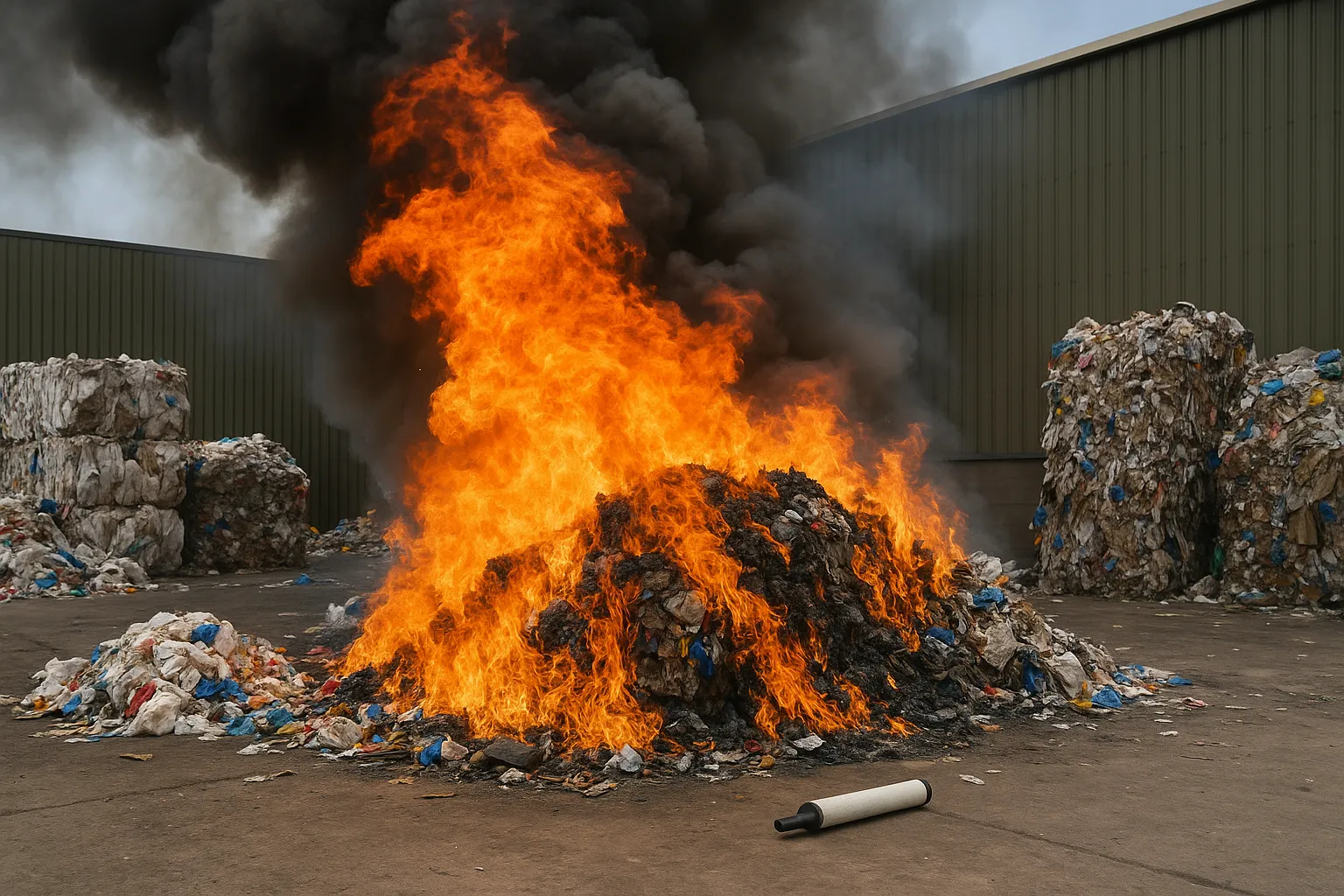
The ESA commissioned research from the Health and Safety Executive to further illustrate the fire risks associated with vape batteries. A recent experiment demonstrated that when a vape battery is punctured in proximity to paper and cardboard, it can ignite dramatically, resembling a sparkler. During tests, temperatures from the vape battery peaked at over 750 degrees Celsius, capable of igniting combustible materials for an extended period.
In light of these alarming findings, the ESA aims to raise awareness among policymakers and the general public about the importance of proper disposal of vapes. Notably, waste management firm Biffa reported recovering 500,000 vapes from its facilities just this summer alone.
To mitigate this escalating issue, the ESA advocates for the implementation of a £5 deposit scheme on the sale of all vapes. This initiative would provide consumers with an incentive to return used devices to retailers for secure disposal, thereby enhancing recycling efforts. Patrick Brighty, the ESA’s head of recycling policy, commented, “Battery fires are reaching epidemic proportions across Britain’s recycling and waste industry, placing workers at risk and threatening vital infrastructure upon which we all rely every day.” He further highlighted the potential catastrophe that could arise from a single battery hidden in household waste, which could lead to disastrous fires and significant operational disruptions.
Brighty noted that the affordability and abundance of vapes contribute to their prevalence in waste disposal issues, stating, “Vapes are among the biggest culprits because they’re cheap, abundant, and typically have a short use-life.” The ESA and other stakeholders in the waste management sector are ultimately calling for governmental intervention to create a mandatory deposit scheme that would encourage the safe return of vapes directly to the point of sale, facilitating responsible recycling and reducing fire risks at facilities nationwide.
This growing concern over lithium battery disposal highlights the pressing need for improved public awareness and regulatory measures, as the intersection of waste management, environmental safety, and public health becomes increasingly critical in mitigating future incidents.
Our Thoughts
To avoid the recurring incidents of battery-related fires at recycling centres, several measures could have been implemented, reflecting breaches of UK health and safety legislation. Firstly, there should be enhanced public awareness campaigns regarding the safe disposal of lithium batteries, particularly those found in consumer products like vapes, aligning with the Waste (England and Wales) Regulations 2011 which emphasizes proper waste management practices.
Moreover, recycling facilities should enforce stricter intake protocols to prevent batteries from entering the waste stream, potentially breaching the Health and Safety at Work Act 1974 regarding the protection of employees from hazards. Training for workers on identifying and handling items containing lithium batteries is essential to mitigate risks.
The proposed £5 deposit scheme by the ESA could incentivize proper disposal, as outlined in the Producer Responsibility Obligations (Packaging Waste) Regulations 2007, ensuring manufacturers take responsibility for end-of-life products.
To prevent similar incidents, developing robust waste segregation systems and collaborating with manufacturers to implement take-back schemes for electronic waste could significantly reduce the prevalence of such dangerous materials entering recycling facilities. These steps would enhance compliance with health and safety regulations and protect both workers and the community.