















Story Highlight
- Glyphosate use in Great Britain is under review by HSE.
- Public consultation on glyphosate’s safety is anticipated soon.
- Pesticide Action Network found glyphosate residues in children’s playgrounds.
- Supporters argue glyphosate is safe when used correctly.
- Government decision on glyphosate renewal expected by end of year.
Full Story
The continued use of glyphosate, a herbicide approved for use in Great Britain, is currently under review by the Health and Safety Executive (HSE), with a government decision expected later this year. The debate surrounding glyphosate’s safety has intensified, with conflicting opinions from supporters and critics regarding its potential risks. Supporters argue that it poses no risk to humans when used correctly, while critics, including environmental organisations, have raised serious concerns about its safety.
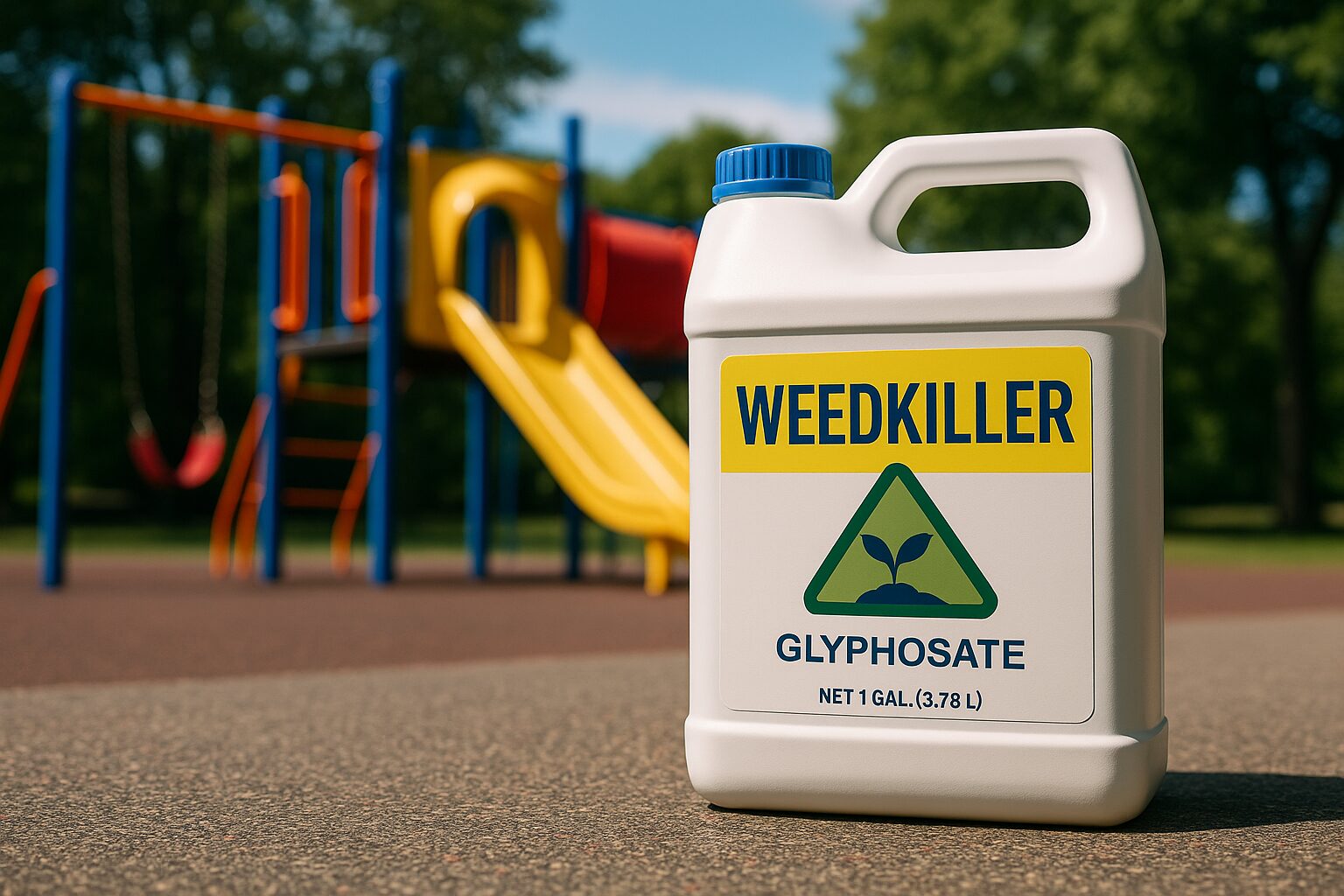
In January, the Pesticide Action Network (PAN UK) conducted tests on children’s play equipment across 13 playgrounds located in areas such as Kent, Cambridgeshire, Milton Keynes, Tower Hamlets, and Hackney. They reported discovering residues of glyphosate and its by-product AMPA in eight playgrounds, attributing this contamination to the extensive use of glyphosate by councils in public spaces. The World Health Organisation has classified glyphosate as a probable human carcinogen since 2015.
Despite widespread usage, many councils and agricultural entities maintain that glyphosate is crucial for effective weed control. The National Farmers Union stated that glyphosate plays a vital role in facilitating sustainable food production by simplifying harvesting and managing crop disease.
In response to inquiries regarding the consultation timeline for glyphosate’s approval renewal, Sir Stephen Timms, Minister of State for the Ministry of Housing Communities and Local Government, confirmed that the HSE is progressing with a renewal assessment of glyphosate’s active substance. This assessment will include a 60-day public consultation on its draft scientific evaluation. The focus of this reassessment will encompass glyphosate’s usage in professional applications within home gardens, schools, and playgrounds, while additional assessments for other uses will be addressed separately.
Nick Mole, Policy Officer at PAN UK, expressed concern regarding the presence of glyphosate in playgrounds, highlighting the potential health risks for children who frequently place objects in their mouths. In contrast, proponents of glyphosate’s usage argue that a medical consensus exists supporting its safety when used as directed and that it provides essential benefits, including soil health preservation and reduced greenhouse emissions.
The Glyphosate Renewal Group maintains that glyphosate has been safely used for over 40 years and is among the most extensively studied herbicides, with leading health authorities globally supporting its safe application. However, the International Agency for Research on Cancer remains an exception, having classified glyphosate as probably carcinogenic to humans, a classification the Glyphosate Renewal Group contests based on alternative assessments from other WHO agencies.
As of now, the timeline for the consultation remains uncertain with less than three months left in the year.
Source: read the original report.
What this means for your site
This situation highlights the importance of adhering to the relevant health and safety legislation regarding the use of hazardous substances, particularly the Control of Substances Hazardous to Health Regulations 2002 (COSHH). While glyphosate is currently approved for use, organizations must conduct thorough risk assessments to evaluate potential health impacts, especially in environments frequented by children, such as schools and playgrounds.
To prevent similar incidents, safety managers should implement strict monitoring protocols for chemical residues in public spaces and ensure that all personnel handling pesticides receive comprehensive training on the safe application and potential risks associated with these products. Additionally, regular inspections should be conducted to verify compliance with COSHH, allowing for swift action if unsafe levels are detected. Recognizing and addressing the concerns of communities regarding pesticide use can also promote transparency and trust.