












Story Highlight
– Fire caused tragedy in Islamabad hospital nursery.
– Only one baby rescued from the third-floor nursery.
– Investigating committee appointed to determine fire’s cause.
– Hospital’s initial cause cited as a nebuliser blast.
– Urgent review of fire-safety measures ordered nationwide.
Full Story
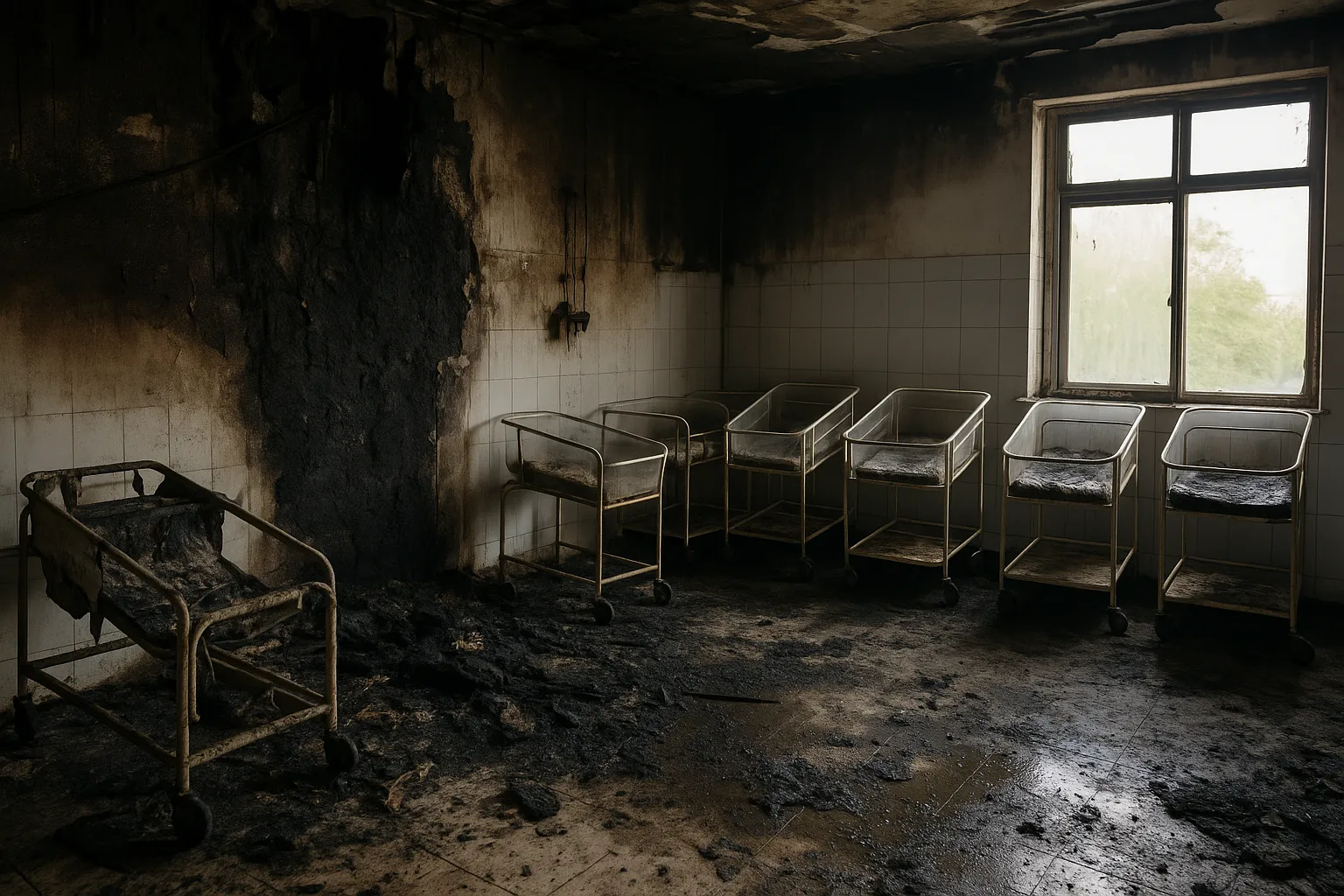
An investigation has been initiated following a devastating fire that tragically claimed the lives of 14 newborns at a government hospital in Islamabad. This incident has raised significant concerns among the public and families affected, prompting calls for accountability regarding the circumstances surrounding the blaze and the safety protocols in place at the Pakistan Institute of Medical Sciences.
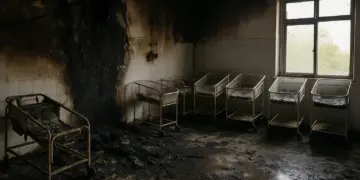
The fire erupted on Wednesday in the nursery located on the third floor of the facility. Thankfully, the flames were contained to that area and did not spread to other parts of the hospital. Despite the rapid response from medical staff, including two doctors and two nurses present at the time, only one out of the 15 infants could be rescued from the scene.
As the aftermath of the tragic event unfolded on Thursday, the atmosphere at the hospital was filled with sorrow. Medical professionals, patients, and the families of the deceased babies gathered to mourn their loss and deliberate over the tragedy that had befallen them. In a heart-wrenching gesture, hospital authorities returned the remains of the infants to their grieving parents later that night.
In response to this calamity, Prime Minister Shehbaz Sharif announced the formation of an investigative committee headed by retired federal secretary Shahid Khan. This committee is tasked with gathering testimonies from hospital staff, eyewitnesses, and family members in a bid to ascertain the cause of the fire. Initial findings from the hospital suggested that an explosion from a nebuliser, rather than an air-conditioning unit as previously posited, was responsible for igniting the fire. The highly oxygenated environment in the nursery allowed the flames to spread in mere moments.
The investigation aims to provide urgent recommendations to the Prime Minister within 48 hours, with a more detailed report expected within five days. The local administration has emphasized that the committee will conduct an independent inquiry, as an official conclusion has yet to be reached regarding the fire’s cause.
In the wake of this incident, the tragic loss of young lives has spurred calls for comprehensive reviews of fire-safety procedures across hospitals in Pakistan. In Punjab, the nation’s most populous province, government officials mandated an immediate review of fire-safety systems as well as emergency-response capabilities within healthcare facilities.
Prime Minister Sharif took further action by dismissing Health Secretary Aslam Ghauri from his position in light of the incident. Families affected by the tragedy are now demanding clarity on how the fire ignited and whether available fire-safety measures in the nursery were adequate to protect such vulnerable lives.
Children’s welfare organisations, including UNICEF, have expressed deep condolences regarding the loss of life. They have called for an urgent reassessment and enhancement of firefighting and safety standards at health facilities to prevent future tragedies. The fire at the Islamabad hospital has raised urgent questions about the safety of children in healthcare settings and brought to light the need for stricter regulations and oversight.
This incident is not isolated within Pakistan’s unfortunate history of child-related tragedies. Earlier in June, an incident in Lahore saw the untimely deaths of 14 schoolchildren due to a roof collapse at a tutoring centre under construction. These repeated calamities highlight a concerning trend around safety standards in environments meant to safeguard children.
As investigations continue, families and the broader public await answers that could prevent future occurrences of such heartbreaking events. The urgency surrounding this matter reflects a collective demand for accountability and enhancements to safety protocols in hospitals across the country. The tragic death of these infants serves as a bleak reminder of the need for constant vigilance regarding safety in healthcare settings, particularly in units tasked with the care of newborns.
The pain endured by families in the aftermath of this calamity will not easily fade. The community now stands together, grappling with loss and searching for reassurance that measures will be taken to ensure that no other families will have to endure such sorrow in the future. The ongoing investigations will hopefully yield not only answers but also essential changes, aiming to restructure safety measures within healthcare settings to protect those most vulnerable.
Our Thoughts
The tragic fire incident at the Pakistan Institute of Medical Sciences highlights critical gaps in fire safety and emergency preparedness that could have been addressed to prevent loss of life. Key lessons include the importance of regular fire risk assessments, which are mandated under the Regulatory Reform (Fire Safety) Order 2005 in the UK. Ensuring that all facilities, particularly those housing vulnerable populations such as newborns, have adequate fire safety measures, including properly maintained fire detection and suppression systems, is crucial.
Additionally, the swift spread of the fire, attributed to the high concentration of oxygen, underscores the necessity for stringent regulation of medical equipment, as outlined in the Health and Safety at Work Act 1974. Implementing comprehensive training for staff on emergency evacuation procedures could enhance the response to such incidents, ensuring that all personnel are equipped to act swiftly.
Lastly, a systematic review of fire safety protocols and infrastructure in healthcare environments would mitigate risks, aligning with the Management of Health and Safety at Work Regulations 1999. Overall, proactive measures in fire safety and emergency preparedness are essential to prevent similar tragedies in the future.