
















Story Highlight
– Meta to pay up to $17 billion to settle lawsuit.
– Changes include daily limits and nighttime blocks for teens.
– Settlement seen as significant consumer protection victory.
– Meta to improve age verification and parental controls.
– Independent auditor will monitor implementation of changes.
Full Story
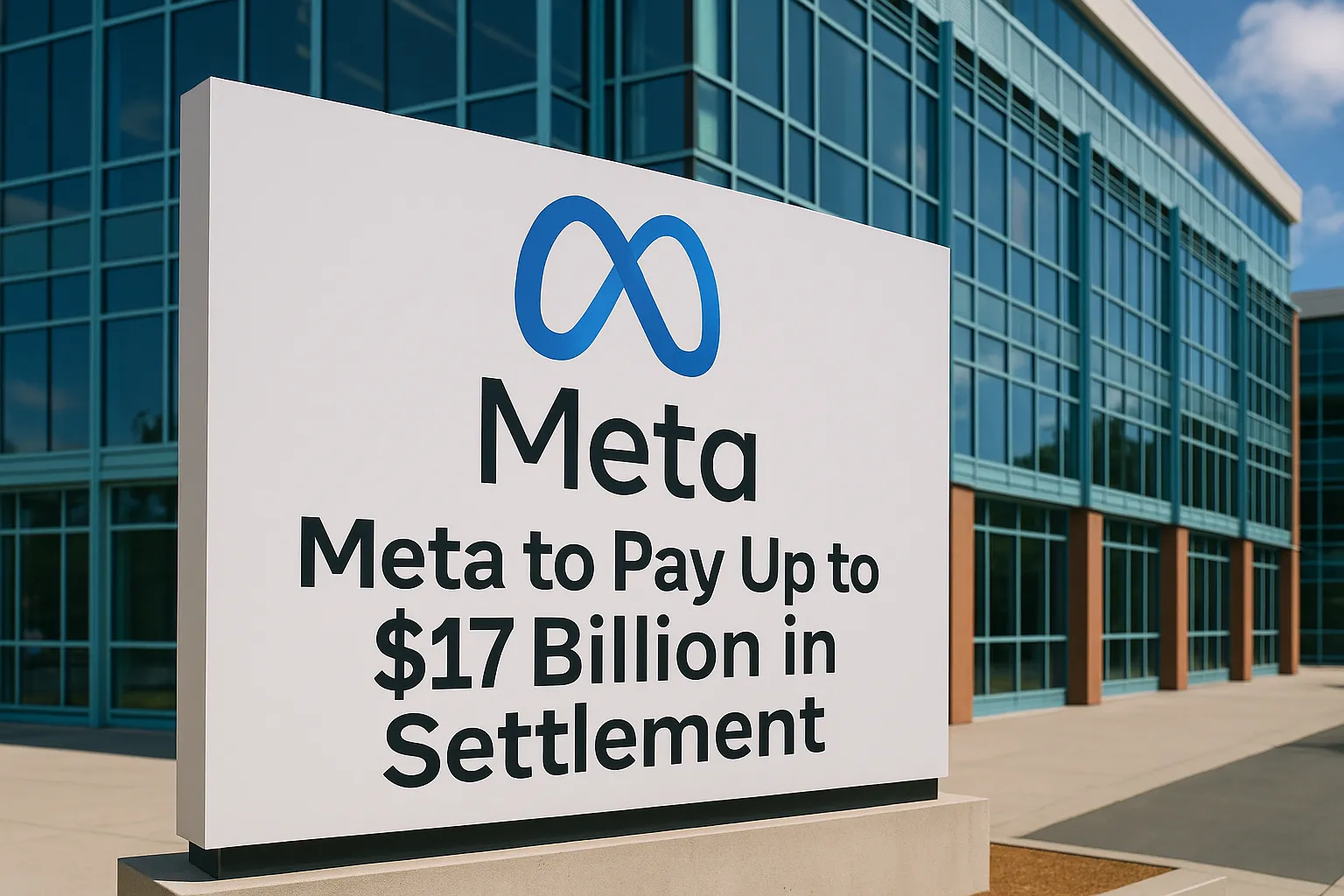
Meta Platforms, Inc., the parent company of social media giants Instagram and Facebook, has agreed to a significant settlement amidst a high-profile lawsuit involving the attorneys general of 29 US states. This legal battle revolved around allegations that Meta knowingly inflicted harm on the mental health of young people through its platforms. The settlement totals up to a substantial $17 billion and introduces extensive reforms aimed at enhancing the safety of minors using these platforms.
The lawsuit asserted that the tech company failed to protect its younger users, with claims that Meta had concealed evidence indicating that its social media products contribute to negative mental health outcomes. As the proceedings unfolded, they revealed serious accusations against the company, which characterized it as prioritising profit over the wellbeing of its users. The settlement signifies a pivotal moment for Meta and provides a robust response to these claims.
Under the terms of the settlement, Meta is required to implement a variety of safety measures tailored to better protect young users on Instagram and Facebook. Key changes include the introduction of daily usage limits and restrictions on notifications during specific hours aimed at curbing late-night use. Notably, the changes will prohibit users under a certain age from viewing the number of likes or reactions to posts, an attempt to mitigate pressures associated with social comparisons.
Brian L. Schwalb, the attorney general for the District of Columbia, expressed that the reforms represent a significant victory for public health, reiterating the necessity of protecting young users. He stated, “Meta intentionally exploited kids for profit and then lied about it, claiming its products were safe when its own internal research confirmed the platforms were addictive and harmful.” Schwalb characterizes the new safety features as a transformative step that will change how teenagers engage with social media.
The financial restitution, which guarantees at least $12.1 billion to resolve the lawsuits, may increase to $17 billion contingent upon Meta’s compliance with similar agreements by other major social media platforms. This settlement not only alleviates pressure from the current lawsuit but also sets a new precedent regarding corporate responsibility in protecting vulnerable users within the digital landscape.
The legal case against Meta highlights a broader trend of scrutiny facing social media companies amid growing concerns about the mental health crisis among the youth. Authorities, including states, municipalities, and advocacy groups, have claimed that platforms like Meta’s play a significant role in exacerbating this crisis. The recent settlement has sparked discussions about a possible wave of similar legal actions targeting social media firms, with many believing this is just the beginning of stricter regulations for Big Tech.
The settlement stipulates that over the next five years, children will be limited to a maximum of two hours of combined daily use of Instagram and Facebook. Breaks will be incorporated every 15 minutes to disrupt prolonged scrolling sessions. Moreover, strict access bans will be imposed overnight, blocking use between midnight and 6 am, with notifications turned off from 10 pm to 7 am. During school hours, children will not be able to receive push notifications, ensuring that the platforms do not disturb their focus on education.
In addition to these access restrictions, Meta is also mandated to strengthen age-verification measures and enhance content controls, directing efforts towards shielding young users from harmful material related to issues such as bullying and eating disorders. The implementation of parental control features, designed to give caregivers better oversight over their children’s online activities, is also a key requirement of the settlement.
Child safety advocates have welcomed the outcome of this lawsuit, terming it a milestone that marks significant progress in ensuring the protection of children in online spaces. Chris Sherwood, the chief executive of the UK’s National Society for the Prevention of Cruelty to Children (NSPCC), commented on the necessity of holding powerful companies accountable. He noted, “Meta has allowed children to face terrible and preventable harms on its platforms for far too long.” Sherwood emphasized that comprehensive regulations are essential for creating a safer online environment for children globally.
The settlement not only represents a crucial victory for advocates focused on young users’ safety but also poses questions for global governance structure surrounding digital platforms. Nations outside the United States, including the United Kingdom, are being called upon to enact similar measures to ensure that tech giants are held accountable for the wellbeing of minors. The public and policymakers alike are urged to advocate for legislation that safeguards the future of children as they navigate increasingly digital lives.
In conclusion, Meta’s landmark agreement exemplifies a growing trend of accountability being demanded from major technology firms in response to their practices and policies affecting mental health. This case has been heralded as the largest consumer protection settlement against any technology company to date, signalling a pivotal shift in how legal frameworks may evolve to address the challenges posed by social media in society.
Our Thoughts
Meta’s case highlights significant failings in safeguarding young users online, with the key lesson being the critical need for proactive risk assessments under the Health and Safety at Work Act 1974, which obligates employers to protect the health and safety of their employees and others impacted by their operations. In the context of social media, this includes mental health risks associated with platform usage.
To prevent similar incidents, implementing robust age verification processes, and ensuring content moderation that adequately protects against harmful material are essential. Additionally, the lack of adequate controls raises concerns regarding compliance with the principles of the General Data Protection Regulation (GDPR), which mandates responsible handling of minors’ data.
Moreover, the legal proceedings suggest a breach of duty of care, where Meta’s practices seemed to prioritize profit over the mental wellbeing of young users. Future regulations may need to enforce stricter guidelines on how tech companies manage user engagement, particularly for vulnerable demographics. A collaborative approach between governments and tech companies is vital in establishing a safer digital environment for children and young people.