












Choose an AI chat
Tragedy at Islamabad hospital nursery prompts urgent safety review
UK Health and Safety Latest

Tragedy at Islamabad hospital nursery prompts urgent safety review

by Tara Rowden
August 27, 2026
0

A devastating fire at a government hospital in Islamabad has tragically resulted in the deaths of 14 newborns, with only...

Read moreDetails
Meta agrees to $16.7 billion settlement over child safety concerns

Meta agrees to $16.7 billion settlement over child safety concerns

August 27, 2026
NHS safety measures face dismantling under proposed health bill

NHS safety measures face dismantling under proposed health bill

August 26, 2026
Meta to pay $17bn and reform Instagram and Facebook to settle youth wellbeing lawsuit

Meta to pay $17bn and reform Instagram and Facebook to settle youth wellbeing lawsuit

August 26, 2026
Expectant mothers face difficult journey to hospitals after maternity ward closure

Expectant mothers face difficult journey to hospitals after maternity ward closure

August 26, 2026

Archives

  • August 2026
  • July 2026
  • June 2026
  • May 2026
  • April 2026
  • March 2026
  • February 2026
  • January 2026
  • December 2025
  • November 2025
  • October 2025
  • September 2025
  • July 2025
  • August 2009

Categories

  • Health and Safety Help
  • News
  • Policies
  • UK Health and Safety Latest
  • About
  • Advertise
  • Policies
    • Privacy Policy
    • Editorial Policy
    • Corrections & Complaints policy
  • Useful Documents
    • Understanding RIDDOR
    • 10 Workplace Safety Failures
    • A Complete Guide to Reporting Safety Incidents in the UK
    • Fire Risk Assessment: Meeting the Regulatory Reform (Fire Safety) Order
    • COSHH Basics: A Practical Guide to Control of Substances Hazardous to Health
    • Working at Height in the UK: The Essentials (WAH Regulations 2005)
    • Asbestos in the Workplace: Control of Asbestos Regulations 2012 (CAR) Essentials
    • Managing Contractors Under CDM 2015: Roles, Duties & Controls
    • DSE & Ergonomics: Healthy Workstations for Office & Hybrid Teams
    • Lock out Tag out LOTO
    • Workplace Transport Safety: Forklifts, Pedestrians & Traffic Management
    • Noise & Vibration at Work: Practical Controls (2005 Regulations)
    • Confined Spaces in the UK: Safe Entry under the Confined Spaces Regulations 1997
  • Contact
  • Agent
Thursday, August 27, 2026
25 °c
London
25 ° Wed
22 ° Thu
21 ° Fri
  • Login
UK Safety News
  • Home
  • News
    • All
    • UK Health and Safety Latest
    Tragedy at Islamabad hospital nursery prompts urgent safety review

    Tragedy at Islamabad hospital nursery prompts urgent safety review

    Meta agrees to $16.7 billion settlement over child safety concerns

    Meta agrees to $16.7 billion settlement over child safety concerns

    NHS safety measures face dismantling under proposed health bill

    NHS safety measures face dismantling under proposed health bill

    Meta to pay $17bn and reform Instagram and Facebook to settle youth wellbeing lawsuit

    Meta to pay $17bn and reform Instagram and Facebook to settle youth wellbeing lawsuit

    Expectant mothers face difficult journey to hospitals after maternity ward closure

    Expectant mothers face difficult journey to hospitals after maternity ward closure

    Higher-welfare chickens could combat food poisoning risks, says RSPCA

    Higher-welfare chickens could combat food poisoning risks, says RSPCA

    Higher-welfare chicken farming could curb food poisoning risk, says RSPCA

    Higher-welfare chicken farming could curb food poisoning risk, says RSPCA

    Mother's struggle to save family from Gaza war highlights dire choices

    Mother’s struggle to save family from Gaza war highlights dire choices

    NHS issues urgent egg safety advice amid Salmonella outbreak

    NHS issues urgent egg safety advice amid Salmonella outbreak

    NHS GP warns of Salmonella outbreak linked to imported eggs

    NHS GP warns of Salmonella outbreak linked to imported eggs

    Trending Tags

No Result
View All Result
UK Safety News
No Result
View All Result
Home News UK Health and Safety Latest

Higher-welfare chickens could combat food poisoning risks, says RSPCA

Tara Rowden by Tara Rowden
August 25, 2026
in UK Health and Safety Latest
Reading Time: 4 mins read
0
Higher-welfare chickens could combat food poisoning risks, says RSPCA

Story Highlight

– Higher-welfare chicken farming may reduce food poisoning risks.
– Factory-farmed chickens increase campylobacter infection rates significantly.
– Slower-growing chicken breeds improve animal welfare and immunity.
– Antimicrobial resistance complicates treatment of campylobacter infections.
– Government considers promoting slower-growing breeds for welfare.

Full Story

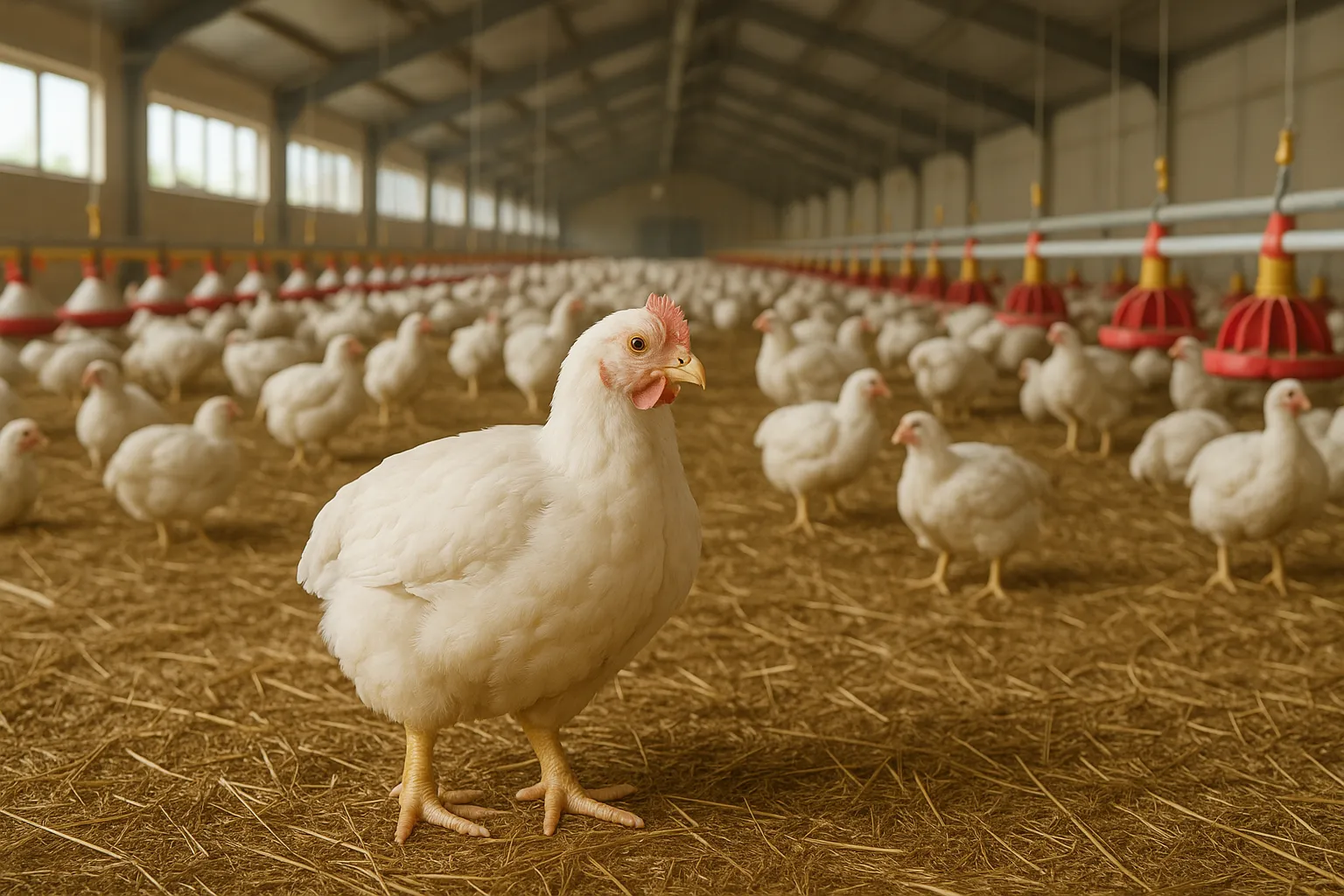
The Royal Society for the Prevention of Cruelty to Animals (RSPCA) has put forth a compelling argument that transitioning to higher-welfare chicken farming could play a pivotal role in reducing instances of food poisoning across the UK. This assertion follows a study from the University of Oxford, which established a direct correlation between intensive poultry farming and a significant rise in campylobacter infections among consumers.

Research from the Oxford team indicated that the prevalent methods used for poultry production in the UK have amplified the risk of campylobacter contamination by more than a hundred times. The research highlights that concentrated farming practices, especially in flocks with a high population density, have facilitated the proliferation of campylobacter, a bacterium known for being the most common bacterial cause of gastrointestinal illness globally. It is responsible for causing approximately 3.5 times more cases of gastroenteritis each year in the UK than all other monitored foodborne pathogens combined.

In light of these findings, the RSPCA is urgently urging supermarkets, food manufacturers, and governmental bodies to give precedence to the breeding and farming of chickens that grow at a slower pace. The charity argues that this shift would not only significantly enhance animal welfare but also serve as a crucial line of defence in public health, effectively alleviating the pressure on the National Health Service (NHS) caused by food poisoning-related illnesses.

Campylobacter poses minimal risk to healthy adult chickens; however, it constitutes a serious threat to human health. Symptoms of infection in humans include severe abdominal cramps, diarrhoea, fever, headaches, nausea, and vomiting. The bacterium is primarily transmitted through undercooked meat and contaminated milk but can be completely eradicated through adequate cooking.

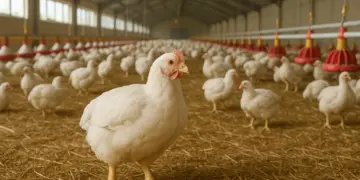
The alarming reality is that more than a billion chickens are farmed for meat in the UK annually, with the majority being what can be referred to as “frankenchickens.” These birds have been genetically selected for rapid growth, so much so that they often suffer from serious health complications such as leg fractures and chronic pain, and many experience heart failure. To illustrate the extent of this accelerated growth, if human infants developed at the same rate, a two-month-old baby would weigh approximately 45 stone.

There is compelling evidence suggesting that chickens bred for slower growth rates typically possess stronger immune systems, thereby decreasing the likelihood of campylobacter infection. This insight is coupled with findings from the European Food Safety Authority, which identified the practice of “thinning”—the early removal of some chickens from flocks—as a contributor to higher campylobacter rates. This occurs due to the resultant stress and health complications faced by the remaining birds.

Charlotte Arthur, a poultry welfare specialist at the RSPCA, expressed, “Evidence suggests more welfare-friendly poultry farming could be a secret weapon in efforts to reduce the spread of a bacteria that can be so dangerous to humans.” She highlighted that slower-growing chickens not only enjoy prolonged life and fewer welfare-related issues but may also be less prone to various biological processes that facilitate the spread of campylobacter.

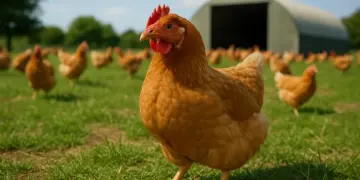
Chickens associated with the RSPCA’s Assured label have been found to take at least eight additional days to reach the slaughter weight compared to their faster-growing supermarket counterparts. Arthur emphasized, “These birds don’t just experience better lives—evidence suggests they may be better equipped to cope with infections such as campylobacter.”

The message is clear that integrating slower-growing chicken breeds into discussions around enhancing food safety is imperative. This strategy could mitigate risks without resorting to increased antibiotic use, thereby preserving public health and lessening the burden on GP surgeries and the wider NHS infrastructure.

Laurie Wills, a representative from The Humane League UK, described the current food poisoning statistics as a “faeces scandal,” drawing attention to the distressing reality that many chickens are housed in unsanitary conditions, often compelled to sit in their own waste.

The escalating rates of antimicrobial resistance—which make treating campylobacter infections progressively challenging—underscore the urgency of addressing these issues through animal welfare reforms. Since the 1960s, the global population of chickens has surged sevenfold, reaching an estimated 31 billion birds.

In response to the growing concerns, a spokesperson for the Department for Environment, Food and Rural Affairs stated, “We are considering the best ways to promote the use of slower-growing chicken breeds to help boost animal welfare.”

As the conversation around food safety, animal welfare, and public health continues to evolve, the call for reevaluating our poultry farming practices is becoming increasingly pertinent. The collective insights of researchers and welfare organisations alike advocate for a future in which both animals and consumers are safeguarded—ultimately benefiting society as a whole.

Our Thoughts

The article highlights significant concerns regarding the rearing of chickens in the UK, specifically regarding the link between factory farming practices and the increased prevalence of campylobacter, a major cause of foodborne illness. To mitigate such risks, several key safety measures could have been implemented:

1. **Adherence to Animal Welfare Standards**: The Animal Welfare Act 2006 mandates the provision of appropriate living conditions for animals. Transitioning to slower-growing breeds can enhance animal welfare and may contribute to lower infection rates.

2. **Risk Assessment and Management**: A thorough risk assessment procedure as outlined by the Health and Safety at Work Act 1974 should be undertaken to identify and manage the risks associated with high-density farming. This includes evaluating the implications of practices such as thinning.

3. **Biosecurity Measures**: Effective biosecurity protocols should be enforced to prevent the spread of pathogens. This includes proper sanitation and management of animal waste to reduce contamination risks.

4. **Training and Awareness**: Ensuring that all staff are adequately trained in food safety and animal welfare standards, as required under the relevant regulations, could reduce the risk of illness transmission.

In summary, improving animal welfare through the adoption of slower-growing breeds and strengthening biosecurity and training could significantly lower the incidence of campylobacter and enhance public health safety.

Tags: Health and SafetyRisk Assessment
SummarizeShare35Share198SendSend
ADVERTISEMENT
Tara Rowden

Tara Rowden

Tara Rowden covers health, safety, and environmental news for UK Safety News, focusing on product safety, consumer health warnings, and occupational hazards. She reports on alerts from bodies including the MHRA, HSE, and local authorities, helping workers and employers stay informed about emerging risks.

Related Posts

Call for public action in water emergencies to enhance rescue efforts

Call for public action in water emergencies to enhance rescue efforts

by Ellie Cartwright
May 28, 2026
0

In a recent advisory, the Royal Life Saving Society (RLSS) has stressed the importance of proper action during water emergencies....

UK plans mandatory eye tests for drivers over 70 amid rising revocations

UK plans mandatory eye tests for drivers over 70 amid rising revocations

by Ellie Cartwright
April 17, 2026
0

Drivers in the UK aged 70 and over may soon face mandatory eye tests as part of new road safety...

Leave a Reply Cancel reply

Your email address will not be published. Required fields are marked *

I agree to the Terms & Conditions and Privacy Policy.

Useful Documents

  • Understanding RIDDOR
  • 10 Workplace Safety Failures
  • A Complete Guide to Reporting Safety Incidents in the UK
  • Understanding RIDDOR
  • Fire Risk Assessment: Meeting the Regulatory Reform (Fire Safety) Order
  • COSHH Basics: A Practical Guide to Control of Substances Hazardous to Health
  • Working at Height in the UK: The Essentials (WAH Regulations 2005)
  • Lock out Tag out LOTO

Recent Posts

  • Tragedy at Islamabad hospital nursery prompts urgent safety review
  • Meta agrees to $16.7 billion settlement over child safety concerns
  • NHS safety measures face dismantling under proposed health bill
  • Meta to pay $17bn and reform Instagram and Facebook to settle youth wellbeing lawsuit
  • Expectant mothers face difficult journey to hospitals after maternity ward closure

Recent Comments

  1. Piper Douglas on Worker dies due to inadequate machinery safety measures
  2. Natalie Coleman on New housing laws aim to tackle damp and mould crisis in England
  3. Simon Barrett on Honeymoon ruined by illness as newlywed suffers severe infection in Cape Verde
  4. Nolan Barrett on Work-related ill health in Great Britain remains a concern after pandemic peak
  5. Dylan Reeves on Sickness rates among Scottish police officers soar to troubling levels
UK Safety News

Copyright © 2026
UK Safety News

Navigate Site

  • About
  • Advertise
  • Policies
  • Useful Documents
  • Contact
  • Agent

Follow Us

Welcome Back!

Login to your account below

Forgotten Password?

Retrieve your password

Please enter your username or email address to reset your password.

Log In
No Result
View All Result
  • Home
  • News

Copyright © 2026
UK Safety News

This website uses cookies. By continuing to use this website you are giving consent to cookies being used. Visit our Privacy and Cookie Policy.