












Story Highlight
– Morrisons in Cheltenham received one-star hygiene rating.
– Major improvements needed in food safety and hygiene.
– Freezer temperatures exceeded safety regulations significantly.
– 431 items discarded due to health risk concerns.
– Morrisons claims to have taken immediate corrective actions.
Full Story
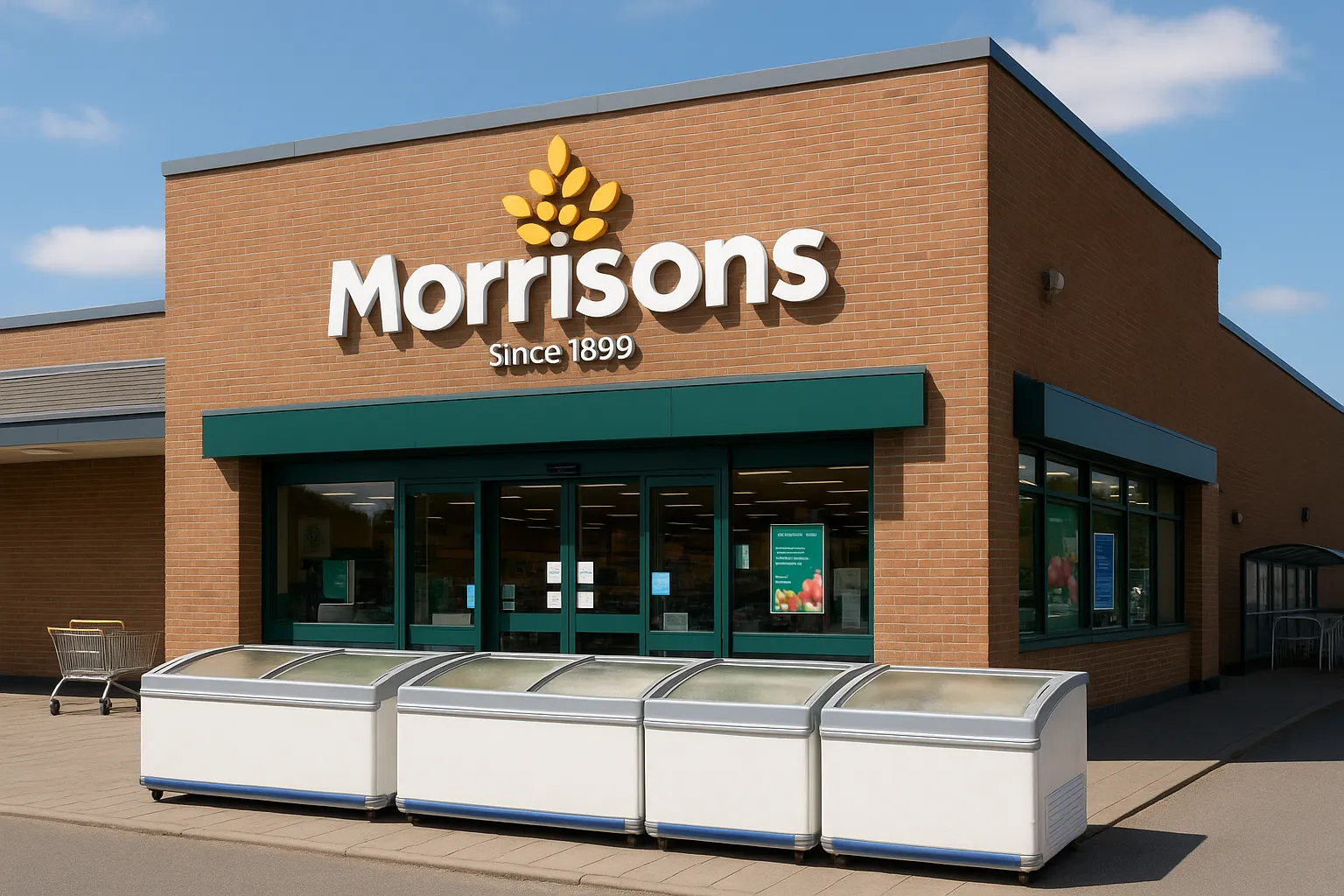
A Morrisons supermarket in Cheltenham has faced significant scrutiny after receiving a one-star hygiene rating, necessitating substantial improvements in its food safety practices. The store, located on Caernarvon Road, was evaluated by the Food Standards Agency (FSA) in January 2026, prompting serious concerns over its food handling protocols.
The FSA’s inspection report pinpointed multiple areas requiring ‘major improvements,’ particularly in hygienic food handling. This encompassed all stages of the food preparation process, including cooking, reheating, cooling, and storage. Additionally, significant enhancement was deemed necessary in the supermarket’s food safety management to ensure that the products offered to customers are safe for consumption and that staff are adequately informed about food safety protocols.
Despite these alarming findings regarding food handling, the cleanliness and structural condition of the store were rated as ‘generally satisfactory’ by the FSA. The inspection was initiated after a customer expressed concerns to the Environmental Health Officer following a troubling experience at the Morrisons branch.
The customer, who chose to remain anonymous, reported that during her visit, she encountered frozen food items that were decidedly unfit for sale. Specifically, she noted that the packages of frozen foods, particularly frozen chips, exhibited softness, suggesting that they had defrosted. She further relayed that the freezer had failed to maintain the appropriate freezing temperature, stating that it felt warm to the touch, with the products inside not holding their frozen state.
When she addressed her concerns to a store employee, she was met with what she described as a “dismissive” attitude. She stated, “I worry they pose a health risk to customers, as we don’t know how long these have been stored in warm temperatures for.” Her remarks highlight the importance of strict adherence to safety regulations, which stipulate that frozen food must be kept at -18°C or lower. However, the inspectors determined that one of the freezers in the Cheltenham branch registered a concerning temperature of -0.4°C, while frozen cod fillets were found at -1.1°C.
Following the inspection, 431 items were deemed unsafe and destroyed, including 48 packets of Morrisons Savers Chicken Nuggets and 33 bags of Young’s Flipper Dippers, further underlining the potential risks associated with the store’s temperature control failures. This incident has raised questions about the protocols in place to ensure that food safety standards are consistently upheld.
In light of the issues identified, a spokesperson for Morrisons emphasized the company’s commitment to food hygiene and safety. “We take food hygiene issues extremely seriously, and this report reflects historic issues,” the spokesperson said. They assured customers that immediate actions had been implemented to rectify the problems detailed in the inspection report, and the grocery chain is actively preparing for a follow-up inspection to verify compliance with the relevant food safety regulations.
This situation has reignited discussions regarding food safety standards in supermarkets across the UK, highlighting the crucial need for rigorous inspections and adherence to protocols designed to protect public health. Experts in the field advocate for regular training for supermarket staff on food safety practices and stress the importance of consumer awareness when it comes to food storage conditions, particularly for frozen goods.
As consumers increasingly demand transparency around food safety, incidents such as this remind the public of the importance of vigilance when shopping. With supermarkets playing a critical role in community health, maintaining high hygiene standards is essential not only for legal compliance but also for customer trust.
Local residents have expressed their concerns regarding the implications of such findings. Many feel apprehensive about the safety of products sold in their neighbourhood stores. “It’s alarming to hear that a major supermarket has such serious issues nearby,” one local resident remarked. “We rely on these establishments to provide safe food for our families. It’s vital that they take these inspections seriously.”
Such feedback underscores the essential relationship between supermarkets and their communities, both in terms of food safety and consumer trust. As the retail landscape becomes increasingly competitive, ensuring high standards in hygiene and safety may prove crucial for maintaining customer loyalty and confidence.
The outcome of the upcoming re-inspection by the FSA will be pivotal for the Cheltenham Morrisons branch. Its ability to address the highlighted deficiencies will determine not only its future hygiene rating but also its reputation among local shoppers and the overall community.
In conclusion, the one-star hygiene rating for Morrisons in Cheltenham serves as a stark reminder of the critical role that food safety continually plays in retail. Efforts to enforce stringent safety measures and respond to consumer concerns remain more important than ever as the landscape of food retail continues to evolve.
Our Thoughts
The Morrisons store in Cheltenham received a one-star hygiene rating due to significant failures in food safety and hygiene measures, particularly concerning the storage temperatures of frozen goods. To prevent such incidents, the store could have implemented regular temperature checks of freezers to ensure compliance with the Food Safety and Hygiene (England) Regulations 2013, which stipulate that frozen food must be kept at -18°C or less.
Training staff on food safety practices would further mitigate risks by ensuring they properly handle, prepare, and store food items. The reactive approach taken by Morrisons following the inspection highlights a gap in proactive food safety management. The Environmental Health Officer’s involvement demonstrates the necessity of immediate corrective actions and employee engagement in reporting issues.
Key lessons include the importance of routine audits and staff training to promote a culture of safety. By adhering to the relevant health and safety regulations, such as the Food Safety Act 1990 and associated legislation, similar incidents can be effectively avoided in the future.