















Story Highlight
– UK lacks specific laws for excessive workplace heat.
– Employers must ensure a safe working environment.
– Employees can suggest improvements for hot conditions.
– Dress codes may be relaxed in high temperatures.
– Flexible working arrangements can help manage heat stress.
Full Story
As the UK experiences a rise in temperatures leading into summer, many employees and employers are left pondering the implications of this warmth on workplace rights and responsibilities. The transition from the typically drizzly climate to warmer conditions can be abrupt, and while residents might relish the sunny days, the reality of working in heat presents challenges that both parties must navigate.
With soaring temperatures in workplaces, a pressing question emerges: do employees possess the right to leave work when it becomes too hot? Additionally, what duties do employers have to ensure their staff’s comfort and well-being? Legal experts have weighed in, providing clarification on the rights of employees as they confront the heat in their work environments.
It’s essential to understand how temperature impacts various occupations. Workers engaged in physically strenuous jobs may face heightened risks during hotter weather, which can lead to issues like dehydration, heat stress, and a decline in focus. Conversely, those in less physically demanding roles may experience discomfort, but the consequences can still be significant. Therefore, awareness of rights and employer obligations is critical for everyone.
In terms of legal regulations, there are currently no specific laws in the UK stipulating that employees can cease work purely because of excessive heat. Instead, employers bear a general obligation to provide a safe working atmosphere that safeguards their employees’ health and safety. James Muller, a Principal Associate in Weightmans’ Health & Safety Team, points out that neglecting this duty could result in enforcement actions by agencies such as the Health and Safety Executive or local authorities, which may include criminal charges. Furthermore, if employees suffer from health issues due to an employer’s inaction on this front, they could seek personal injury compensation.
While there is no legally defined maximum temperature for workplaces, employers are still required to create and maintain a comfortable working environment. This includes making necessary arrangements when temperatures threaten employee health. Employers may need to allow employees to leave when conditions are uncomfortably hot. An alternative option is to facilitate remote working or relocating to a cooler space, which typically presents the simplest solution. In situations where alternate working locations are unavailable, employees might still receive their pay if they are ready to work, contingent upon the specific terms of their contracts and the organisation’s policies.
Aside from temperature regulation, other rights are essential for workers during a heatwave. Dress codes may be adjusted in response to warmer weather; however, employers retain the right to impose certain standards, particularly within roles that involve interaction with customers or those that necessitate specific health and safety equipment. Employees should clarify any questions regarding acceptable attire with their employers rather than assuming casual wear is permissible, as failing to adhere to a company’s dress code could lead to disciplinary action.
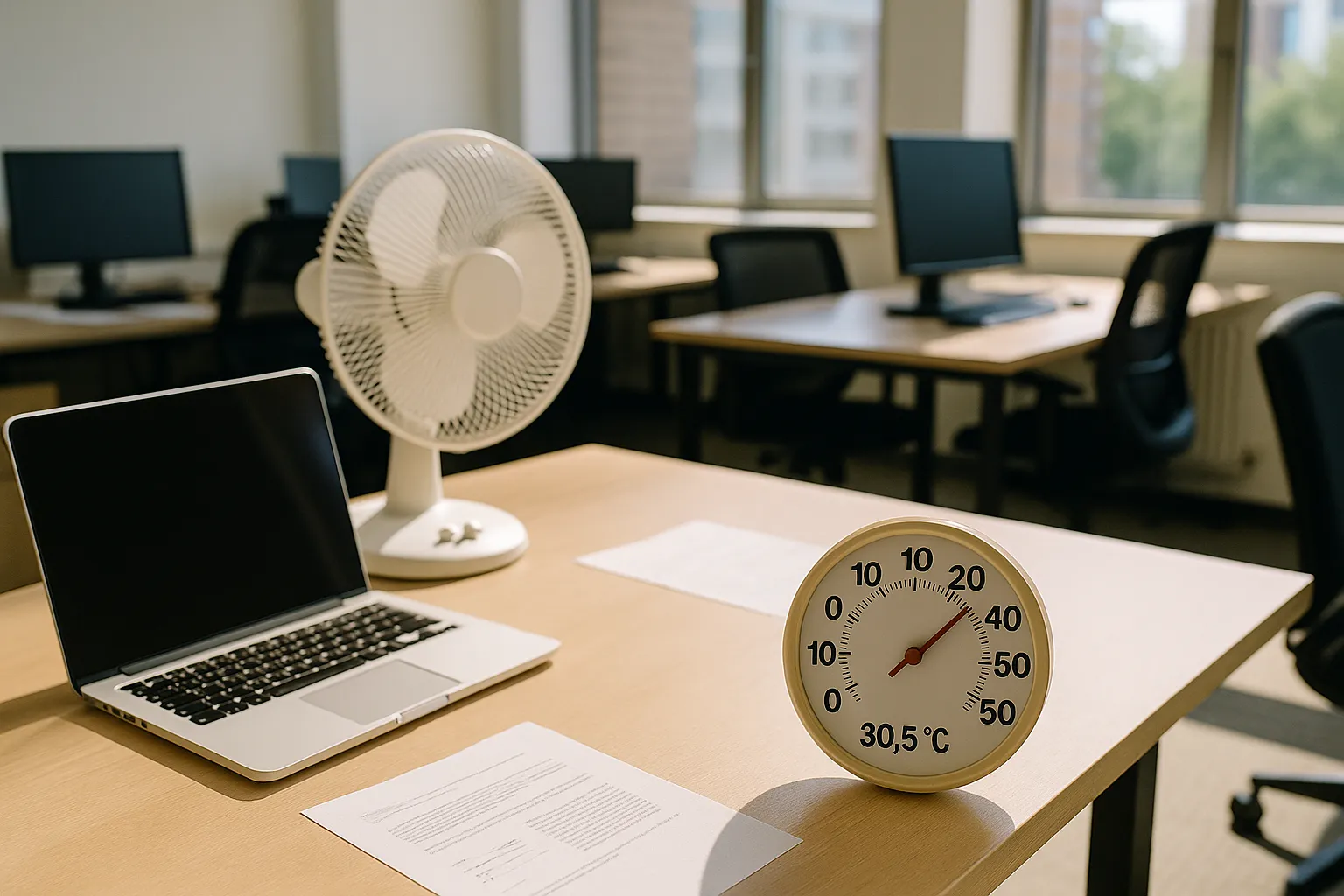
Legal obligations regarding workplace temperature do not extend to mandated air conditioning systems. Employers must ensure that indoor spaces are well-ventilated with adequate supplies of fresh or purified air. The definition of “sufficient” ventilation can vary based on individual circumstances, but employers should take reasonable measures to improve working conditions when heat becomes oppressive. Solutions can include providing fans, ensuring access to cold drinking water, encouraging hydration, and potentially relaxing dress code policies.
Under the Workplace (Health, Safety and Welfare) Regulations 1992, there is no blanket right for employees to leave work solely because of heat unless they are genuinely unwell. Employers must ascertain a reasonable temperature standard that considers the nature of their workplace and the type of work being done. This also applies to additional precautions for vulnerable staff members, including pregnant employees or those with health concerns. Collaboration between employers and staff is encouraged to identify suitable adjustments when needed.
In response to these warmer conditions, employers have specific responsibilities that must be considered. They are mandated to take all reasonably practicable steps to safeguard the health, safety, and welfare of their employees during peak heat periods. James Muller highlights that special consideration should be given to vulnerable workers when assessing safety protocols in place.
Flexible working arrangements can also mitigate the adverse effects of extreme temperatures. Employers may allow for staggered start and finish times to minimise exposure during the hottest hours of the day, enable remote working where applicable, or adjust working hours if operationally feasible. Providing additional breaks for those in demanding roles can further help reduce potential heat-related illnesses while ensuring productivity levels remain stable.
Furthermore, managing the working environment plays a crucial role in combating heat stress. Employers should implement practical measures, such as establishing hydration stations, shaded rest areas, and suitable attire wherever relevant. In office contexts, improving ventilation, permitting lighter clothing options, and creating cooler break spaces can significantly enhance employee comfort.
For employees working from home, employers can extend their support by providing fans or portable cooling devices and assisting financially with increased energy costs. Under the Health and Safety at Work Act 1974 and the Workplace (Health, Safety and Welfare) Regulations 1992, ensuring adequate ventilation within workplaces remains a fundamental responsibility. This covers maintaining any air conditioning systems, replacing filters when needed, and improving airflow through various means, including the use of fans or dehumidifiers to uphold safe and pleasant working conditions, particularly during the hotter months.
In summary, as temperatures rise and heatwaves become more prevalent, both employers and employees must recognise and adhere to their rights and responsibilities in the workplace. Through awareness, clear communication, and proactive measures, they can work collaboratively to create a safe environment for all staff during challenging weather conditions.
Our Thoughts
To avoid issues related to overheating in the workplace, employers should proactively implement measures to manage temperatures and ensure employee safety. Key strategies include ensuring adequate ventilation and air quality as stipulated in the Health and Safety at Work Act 1974 and the Workplace (Health, Safety and Welfare) Regulations 1992. Employers must provide a safe working environment by considering measures such as air conditioning, fans, hydration stations, and shaded rest areas.
Additionally, flexibility in working arrangements should be adopted during high temperatures, which may include adjusted hours or opportunities for remote work. Failure to take reasonable precautions in these areas could represent a breach of the employer’s duty of care, leading to enforcement actions from the Health and Safety Executive or liability for employee illnesses.
Key lessons include recognizing the increased risks for vulnerable employees, like those with health conditions, and the importance of communication between employers and staff regarding health and comfort needs. To prevent similar incidents, regular assessments of workplace conditions and rapid response plans for extreme temperatures should be established.