








Story Highlight
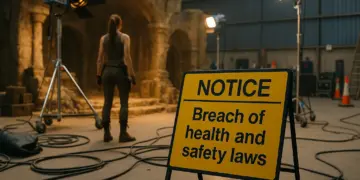
– Sophie Turner’s Tomb Raider show faces health law violations.
– Health and Safety Executive issued breach notice in April.
– Crew lacked biological monitoring during hazardous paint use.
– Filming paused earlier this year due to Turner’s injury.
– Series marks new live-action TV adaptation of Lara Croft.
Full Story
Sophie Turner’s upcoming television adaptation of the beloved Tomb Raider franchise is embroiled in significant controversy as allegations surface regarding violations of health and safety protocols during its production. Developed by the esteemed Phoebe Waller-Bridge, the series commenced filming earlier this year at Shinfield Studios in the UK, but it has now prompted scrutiny from regulatory bodies.
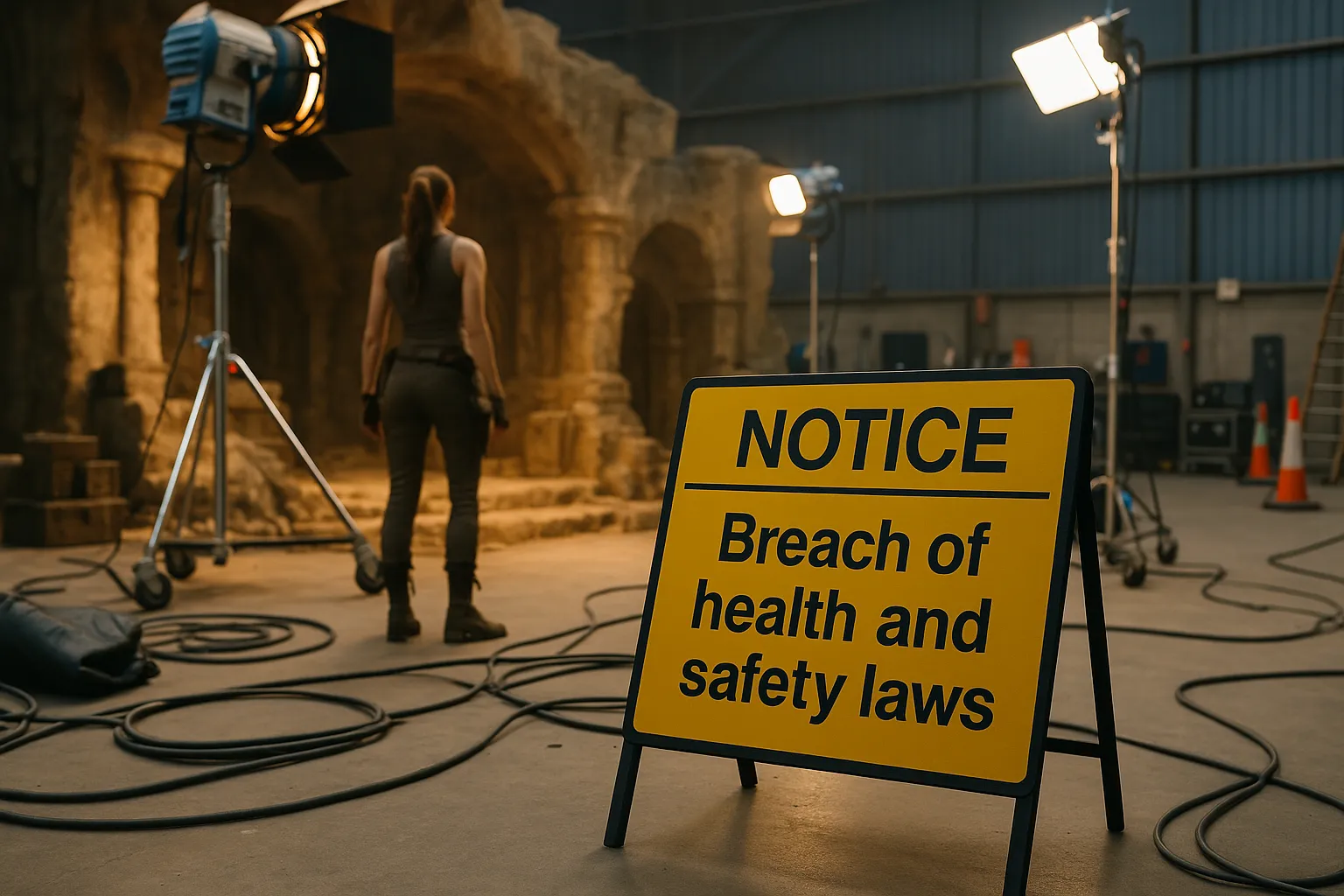
According to a report by Deadline, the UK’s Health and Safety Executive (HSE) has determined that the production, operating under the name Project Temple Productions, contravened several key safety regulations. Specifically, the HSE cited breaches of the Health and Safety at Work Act 1974 as well as the Control of Substances Hazardous to Health Regulations 2002. The HSE’s ruling highlighted that the necessary biological monitoring of crew members working with isocyanate paints was not conducted, raising critical concerns about the health risks faced by the team on set.
In a response to the findings, the HSE issued a formal notice to the production in April, which the filmmakers reportedly adhered to, but the situation has undoubtedly raised alarms within the industry. This incident marks the fourth time in just four years that a production has received a notice from the HSE, underscoring ongoing issues surrounding health and safety compliance on British film sets.
Earlier this year, filming for the series was interrupted following an injury sustained by Turner, who plays the lead role of Lara Croft. This incident is particularly concerning as it coincides with broader discussions about the safety of production environments, especially given the physically demanding nature of role-playing in action series like Tomb Raider.
The new Tomb Raider series not only represents a fresh iteration of the iconic franchise but also stands out as the first occasion the character of Lara Croft will be portrayed in a live-action television format. The character has previously been brought to life on the big screen by actresses such as Angelina Jolie and Alicia Vikander, both of whom left an indelible mark on the role in their respective films.
As anticipation builds for the new series, it is worth noting that Sophie Turner’s involvement marks her third venture into franchise productions, following her renowned roles as Sansa Stark in the critically acclaimed Game of Thrones and Jean Grey in the X-Men film series. Her return to a leading role in a high-profile action series is viewed as a significant step in her career, echoing her transition into more action-oriented performances.
While a specific release date for the Tomb Raider series has yet to be confirmed, industry insiders speculate that it could premiere sometime after the launches of the new video games, Tomb Raider: Legacy of Atlantis and Tomb Raider: Catalyst, both currently being developed by Crystal Dynamics. This timing could strategically position the series to leverage the excitement generated by the new game releases.
Turner will be joined by a talented ensemble cast, including Martin Bobb-Semple in the role of Zip, Jason Isaacs portraying Atlas DeMornay, and Bill Paterson as Winston. Additionally, legendary actress Sigourney Weaver is set to take on the role of Evelyn Wallis. The combination of this experienced cast alongside the creative input from Amazon MGM Studios, Crystal Dynamics, Wells Street Films, Story Kitchen, and Legendary Television is anticipated to add depth to the series, promising a rich narrative experience for audiences.
As the series prepares for its launch on Prime Video, the production team faces not only the excitement of bringing Lara Croft back to screens but also the pressing need to assure fans and stakeholders of a safe and responsible filming environment. The issues raised by the HSE will likely be a topic of ongoing concern as the series progresses.
From the broader perspective, these developments within the production highlight a significant ongoing dialogue in the film and television industry regarding the enforcement of health and safety regulations. As more productions move forward amid the complexities introduced by the pandemic and evolving safety standards, it is essential that all creators uphold stringent safety measures to protect the welfare of talent and crew.
In conclusion, as the Tomb Raider franchise gears up for its latest reinterpretation on the small screen, both the challenges and the anticipation surrounding this project reveal much about the current state of the industry. With concerns raised by health and safety officials, the commitment to ensuring a safe production environment must remain a priority, even amidst the excitement of reviving one of gaming’s most iconic characters. The continued evolution of Lara Croft’s narrative will undoubtedly be closely watched, both by long-time fans of the franchise and those new to the adventures of this iconic heroine.
Our Thoughts
The allegations against the Tomb Raider TV show highlight significant breaches of UK health and safety legislation, specifically the Health and Safety at Work Act 1974 and the Control of Substances Hazardous to Health Regulations 2002. To prevent such incidents, the production team should have ensured comprehensive safety protocols, including mandatory biological monitoring for crew members exposed to hazardous substances like isocyanate paints.
Key safety lessons include the importance of regular risk assessments and training for all crew on handling hazardous materials, along with strict adherence to established safety regulations. The repeated breaches across multiple productions suggest a systemic failure in maintaining adequate health and safety standards, indicating that proper oversight and safety management systems are lacking.
To avoid similar incidents, it is crucial for production companies to prioritize health and safety by implementing rigorous training, conducting thorough safety audits, and fostering a culture of safety where crew members feel empowered to voice concerns without fear of repercussions. This approach not only protects the crew but also upholds the reputation of the production companies and the industry as a whole.