







Story Highlight
– FSA issues “do not eat” warnings for multiple products.
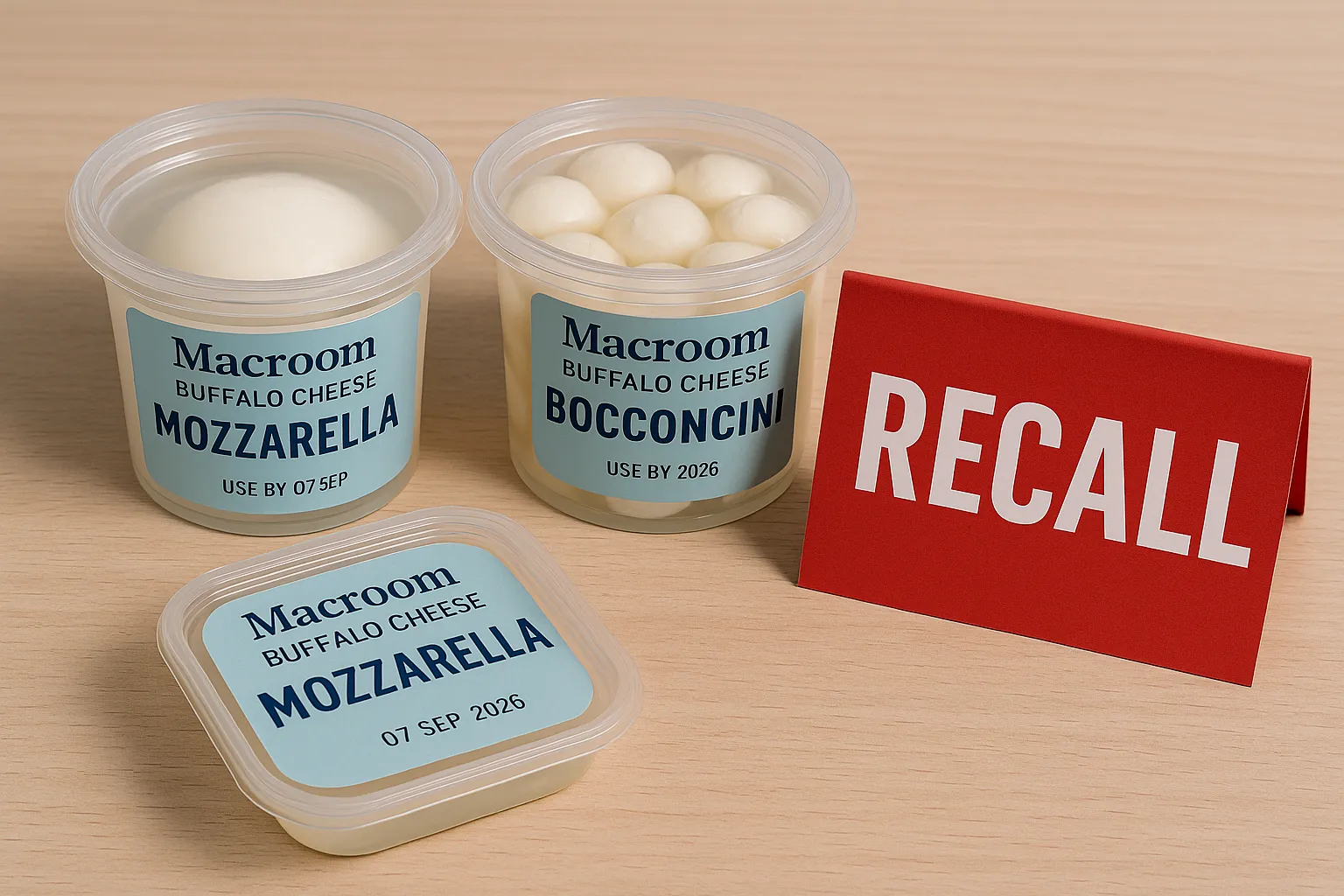
– Macroom Buffalo Cheese recalled due to Listeria concerns.
– Filled wraps recalled for possible E. coli contamination.
– A.Vogel recalled seeds for Shiga toxin E. coli presence.
– Chocolate products withdrawn for undeclared allergens risks.
Full Story
The Food Standards Agency (FSA) has recently placed several food products under warning, advising consumers not to consume items sold at a range of retailers including Tesco, Waitrose, and Home Bargains due to potential health risks associated with these goods. In light of multiple recalls issued, consumers are encouraged to thoroughly review their kitchens for any of the affected items.
**Cheese Recall**
In particular, residents in Northern Ireland should be vigilant about the contents of their refrigerators, as two products from Macroom Buffalo Cheese have been recalled owing to concerns regarding Listeria contamination. The specific items under advisory include both the Mozzarella (125g) and Bocconcini (160g) varieties, which have a use-by date of September 7, 2026. Testing has confirmed the presence of Listeria monocytogenes in these products, prompting the urgent recall.
Consumers who possess these cheeses are strongly advised not to consume them, irrespective of their appearance or smell. Instead, they should return the products to the purchasing outlet to obtain a full refund.
The hazards associated with Listeria infection are significant, with symptoms including high fevers, muscle aches, chills, nausea, and diarrhoea. Certain groups, such as the elderly, pregnant women, young infants, and individuals with compromised immune systems, are particularly vulnerable to severe complications arising from this bacteria, which can lead to conditions like meningitis in extreme cases.
**Wraps Recall**
In addition to the cheese concerns, another recall involves a selection of filled wraps, which are believed to be at risk of E. coli contamination. The recall affects wraps produced by Summit Foods, specifically the Snacksters Chicken Fajita Wrap, Snacksters Hoi Sin Wrap, East Street Deli Sweet Chilli Chicken Wrap, and Target a Snack Chicken Fajita Wrap. All products with a use-by date of September 5, 2026, are included in this warning.
The issue arose during standard safety testing, leading the company to acknowledge a potential food safety concern affecting a limited number of wrap items. They are working closely with health authorities and other involved parties to manage the recall efficiently. Acknowledging the worries this incident may engender among consumers, the company has reiterated that ensuring consumer safety remains paramount.
Notably, the affected wraps might contain Shiga toxin-producing E. coli (STEC), which can result in severe gastrointestinal distress, including bloody diarrhoea and intense abdominal cramps, and in dire cases, lead to a condition known as haemolytic uraemic syndrome (HUS), which can cause kidney failure.
Consumers who have purchased any of the implicated wraps should refrain from eating them and dispose of the products. To obtain a refund, they are instructed to contact the company directly via email at sales@summitfoods.co.uk, providing proof of purchase including the date and location of the transaction.
**Seeds Recall**
Also under scrutiny is A.Vogel Ltd’s Rapunzel bioSnacky Das Original Red Clover Seeds for Sprouts and Seedlings, which has been recalled due to contamination risks associated with Shiga toxin-producing E. coli. The recalled products, sold in 30g packs bearing a batch code of 11293 and a best-before date of December 2028, may pose health risks such as severe diarrhoea, abdominal pain, and, in serious cases, HUS, a dangerous condition that can lead to kidney issues.
A spokesperson for the FSA emphasized that consumers should not attempt to grow or consume any sprouts or seedlings from the affected product. Instead, these should be returned for a full refund. Signs regarding the recall will be displayed at point of sale in retail outlets where the product is sold.
**Home Bargains Crisps Recall**
Meanwhile, crisps sold at Home Bargains have come under recall due to a significant labelling error by ASR Solutions Ltd. The Lays Sour Cream & Dill Crisps, identified by the best before dates extending up to October 31, are potentially hazardous for consumers with allergies to milk and wheat, as these allergens were not mentioned on the packaging.
An FSA spokesperson highlighted the necessity for consumers who may have purchased the product not to eat it, but rather to return it for a full refund. The company has committed to contacting allergy advisory organisations to inform their members of the recall and thus ensure that appropriate safety protocols are enacted.
**Chocolate Recall**
In response to growing health concerns, various chocolate products have also been recalled from stores across England, Scotland, and Wales by Bon Bons Wholesale Ltd. The recalls are instigated due to undeclared milk and soya content, presenting potential health risks for individuals allergic to these ingredients. Affected products include a selection of vividly designed chocolate items with varying expiry dates ranging from early 2027 to late 2028.
The FSA has urged consumers to alert the relevant support organisations regarding the recall, should they have purchased these products. Instructions for returning the items for a full refund have been issued, ensuring that consumer safety and awareness are prioritized.
**Gü Dessert Recall**
On another front, a warning has been issued concerning a particular dessert from Gü, sold at both Tesco and Waitrose. The Gü Double Sea Salted Caramel Frozen Dessert is subject to recall because of potential allergen contamination with undeclared hazelnuts and soya, posing dangers to those with nut or soya allergies. The product is identifiable by its lot number 126135 and a best-before date of June 30, 2027.
In light of these issues, a Gü representative stated that while the issue appears to affect a minimal number of units, the decision to recall was a precautionary measure in line with their commitment to consumer safety.
**Conclusion**
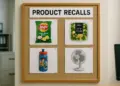
With numerous recalls spanning a variety of products that could compromise consumer health, the Food Standards Agency urges the public to remain vigilant. In cases of food recalls, customers are advised to follow the instructions provided by the respective companies, ensuring that they protect their health and that of their families. The promotional material for product recalls and associated safety alerts reflects the FSA’s ongoing commitment to consumer safety in the food industry.
Our Thoughts
Several key safety lessons can be learned from the numerous food recalls issued by the Food Standards Agency (FSA). Firstly, companies must prioritize strict adherence to food safety regulations as outlined in the Food Safety Act 1990 and the General Food Law Regulation (EC) 178/2002. These incidents highlight potential failures in Hazard Analysis and Critical Control Points (HACCP) processes, which are critical for preventing contamination with pathogens such as Listeria and E. coli.
In addition, the recalls due to undeclared allergens, such as milk, soy, and wheat, point to insufficient allergen management systems and inadequate labeling practices, breaching the Food Information Regulations 2014. Retailers and suppliers need robust mechanisms to ensure accurate product information and certification of safety standards before distribution.
To avoid similar incidents, strict internal checks for pathogen control, comprehensive training for staff on allergen awareness, and better communication with suppliers about ingredient sourcing are essential. Regular audits and reviews of HACCP plans can further enhance food safety and compliance, minimizing risks to consumer health.