













Story Highlight
– FSA supports legal sale of cannabis-derived CBD products.
– Products must carry warning labels and safety information.
– Approval opens door for thousands of new CBD products.
– CBD market value in UK estimated at £386 million.
– Current regulations differ from European safety authority guidelines.
Full Story
The landscape of cannabis-derived products in the UK may be on the verge of significant transformation as food regulators have indicated their support for the first legally recognised CBD (cannabidiol) products. This pivotal decision is expected to clarify a market that has long existed in a confusing regulatory zone. If officially sanctioned, consumers will be able to purchase an array of CBD items, including oils, sweets, beverages, and supplements, classified as novel foods.
The Food Standards Agency (FSA) is preparing to advise ministers for approval of three specific CBD products—designated as RP7, RP350, and RP427—marking them as the initial applications to successfully navigate the FSA’s safety assessment criteria. Importantly, these products consist of CBD preparations that are a minimum of 98% pure, enabling their use as fundamental ingredients in a multitude of new offerings that could soon grace UK store shelves.
Recent estimates suggest that the UK CBD market may be valued at approximately £386 million, with FSA research indicating that around one in ten people in the country use CBD products. These items have gained popularity primarily through claims that they can enhance wellbeing and improve mood.
Cannabidiol, or CBD, is derived from the cannabis plant but is distinct from THC (tetrahydrocannabinol), the psychoactive element traditionally associated with the ‘high’ experience from cannabis use. CBD belongs to a group of chemicals known as cannabinoids, which can naturally occur in both cannabis and hemp plants, and can also be synthesised in laboratories. The FSA’s endorsement targets highly purified versions of CBD that adhere to stringent limits regarding THC content and other controlled cannabinoids.
On September 16, during an upcoming board meeting, the FSA will evaluate whether to support this regulatory approval. If they do so, they will officially recommend that the relevant ministers in England and Wales grant authorisation for these products, paving the way for them to be sold in specified retail environments.
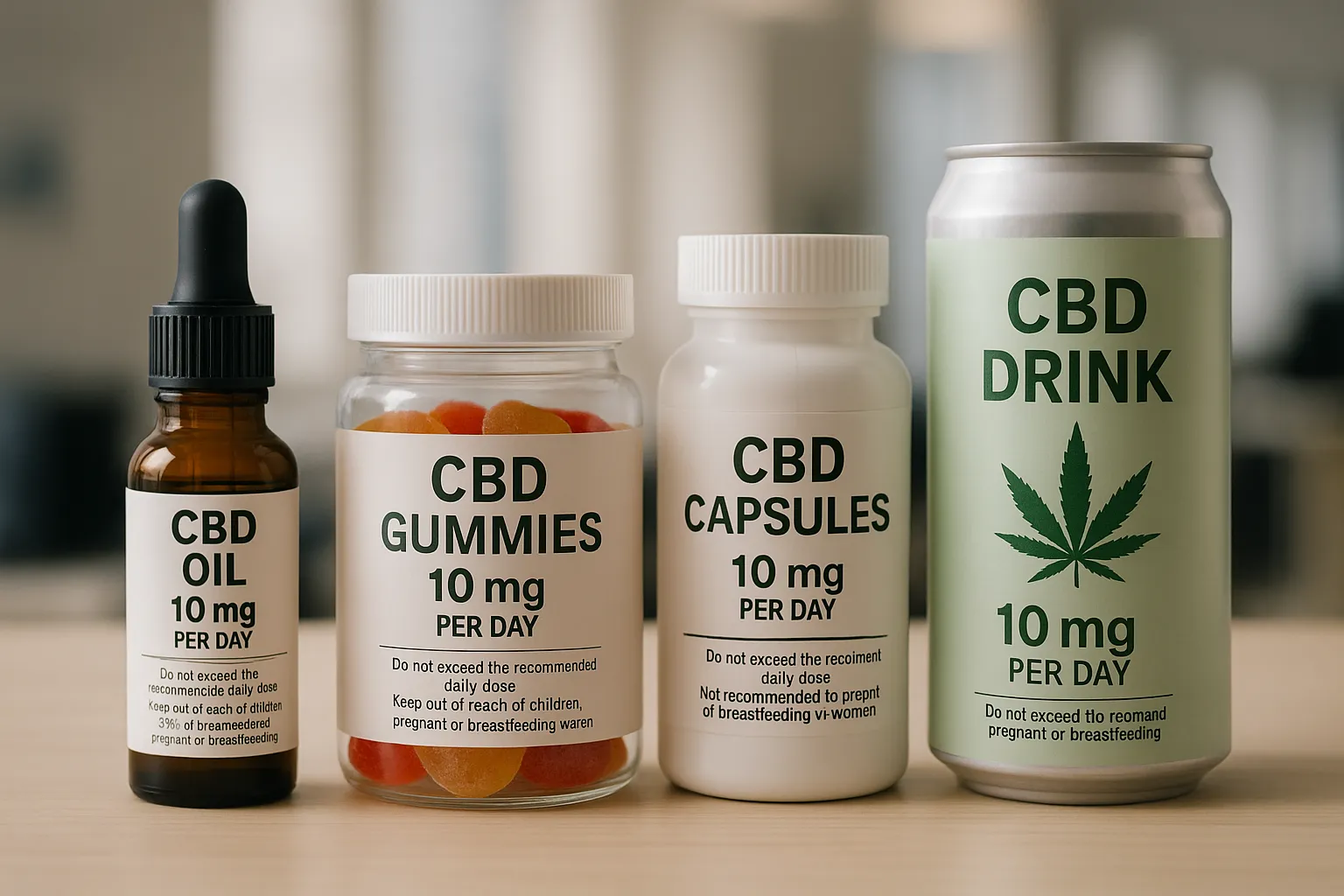
The approval would permit the incorporation of the endorsed CBD ingredients into a wide variety of consumer products, such as food supplements, beverages, and confectionery. Therefore, items like CBD capsules, oils, infused drinks, and sweets could soon become commonplace on retail shelves.
Despite the burgeoning interest surrounding CBD, its sale in the UK has been fraught with complexities. Although these products have been on the market for over a decade, their legal standing has been anything but clear. According to regulations, products should not have been sold without first obtaining formal authorisation and completing a safety assessment. However, the FSA opted not to dismantle the existing industry during the lengthy application process; instead, they implemented an interim arrangement. Under this temporary system, products already available for sale could remain on shelves as long as they were connected to a legitimate application for authorisation and adhered to certain conditions. This resulted in a market that was, in effect, tolerated but not fully sanctioned.
The steps being taken by the FSA signify a potential end to this prolonged period of uncertainty. The new regulatory framework will establish strict criteria, including mandatory safety protocols and controls over THC and other cannabinoids. In conjunction with this, products will need clear warning labels, stating the maximum accepted daily intake (ADI) of CBD for adults is 10mg. These labels will also caution consumers against exceeding this limit and provide additional safety advisories, such as: “Not suitable for individuals under 18”, “Not recommended during pregnancy or breastfeeding”, and “Consult a healthcare professional if taking any medication or if immunosuppressed”.
Furthermore, it’s essential to note that companies will still be prohibited from making unauthorised health claims regarding their CBD products. The FSA’s standards, however, have raised eyebrows among some experts, particularly given the contrasting guidelines set forth by European regulators. The European Food Safety Authority has a provisional safe intake level of approximately 2mg per day for an adult weighing 70kg, significantly lower than the FSA’s identified threshold of 10mg. Despite this discrepancy, the FSA maintains confidence in its evaluations.
The anticipated approval represents a watershed moment for an industry that has been operating under unusual circumstances—selling products openly while awaiting the necessary regulatory endorsement. With a burgeoning interest in CBD and its potential health benefits, the developments from the FSA may soon encourage a significant proliferation of CBD products within the UK market. As consumers increasingly seek out wellness products, the full legalisation of CBD items could redefine the nutritional supplement landscape, inviting new opportunities for businesses while ensuring consumer safety and transparency.
Our Thoughts
The authorization of CBD products illustrates a significant shift in regulatory clarity but highlights past oversights in health and safety compliance. Prior to the FSA’s assessment process, the sale of unregulated CBD products created risks due to the lack of verified safety measures. To avoid such situations, stricter initial regulatory frameworks should have been established to ensure all products were assessed for safety before being sold to consumers, in compliance with the Food Safety Act 1990 and the Novel Foods Regulation (EU) 2015/2283.
Key lessons include the necessity of enforcing pre-approval sales processes to mitigate risks associated with mislabeling or unverified claims regarding health benefits. Warning labels, while now mandated, should have been implemented sooner to inform consumers effectively.
Moving forward, the FSA’s proposed product standards should be matched with rigorous monitoring and enforcement mechanisms to prevent non-compliance with safety regulations. Companies must also be educated on the implications of health claims and required to adhere strictly to the guideline limits set forth to protect vulnerable populations. Overall, proactive regulatory measures and clear compliance standards are essential to prevent similar incidents in the future.