













Story Highlight
– FSA recommends approval of three CBD novel foods.
– Highly purified CBD deemed “safe” within strict limits.
– Products may include oils, drinks, and sweets.
– Mandatory warning labels for consumer safety proposed.
– Industry faces regulatory shift after years of uncertainty.
Full Story
The Food Standards Agency (FSA) is on the verge of urging government ministers to authorise the sale of three cannabis-derived CBD products, which could significantly reshape the current landscape of CBD offerings in the UK. This recommendation follows the agency’s safety evaluation, marking a pivotal moment for an industry that has operated in a legal grey area for several years.
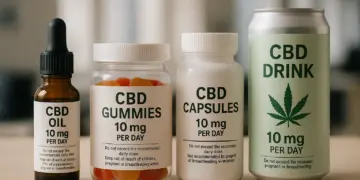
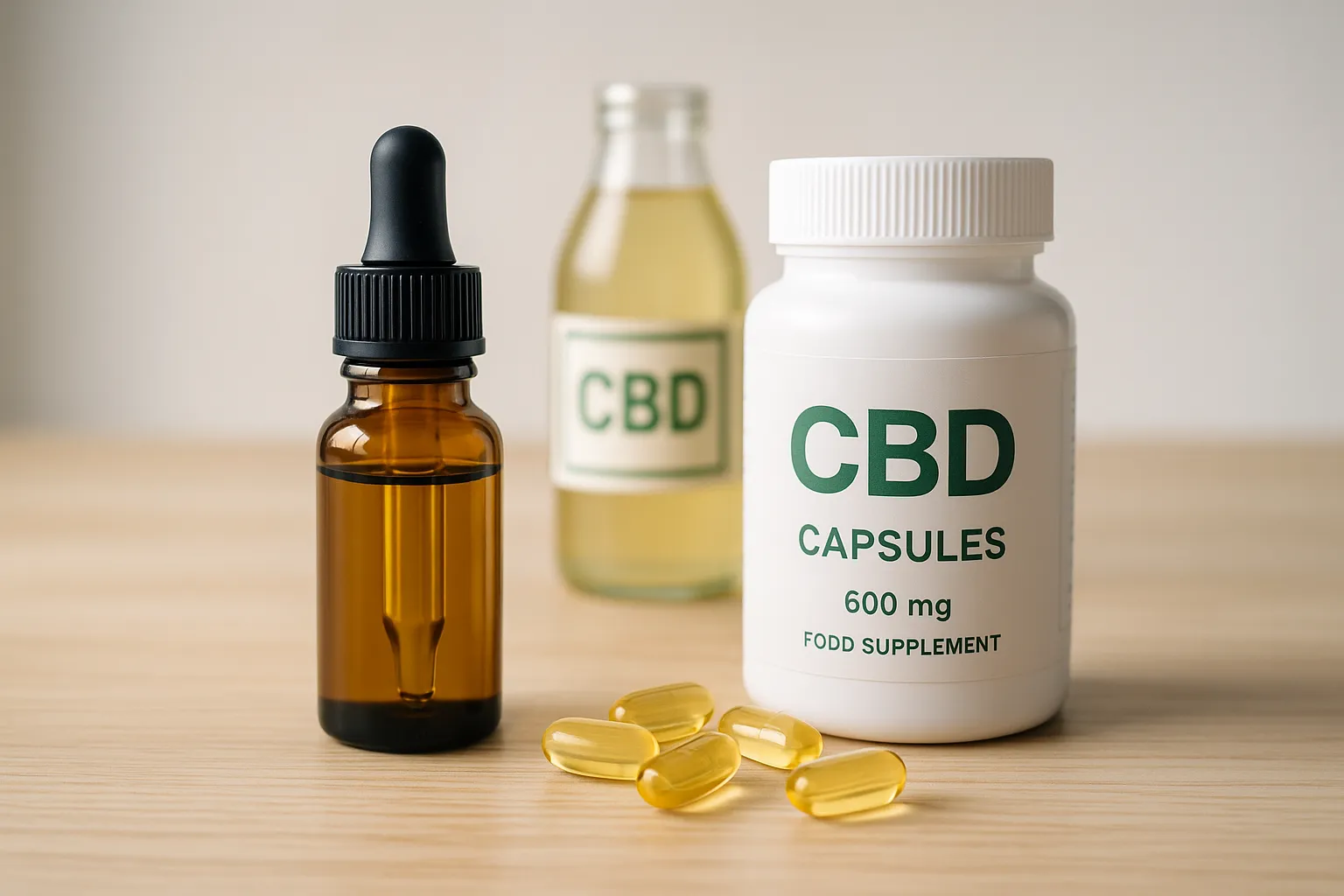
The FSA has deemed the highly purified CBD brands under consideration—designated as RP7, RP350, and RP427—as “safe” within established limits. If the government grants approval, these CBD ingredients could be incorporated into a myriad of products, ranging from oils and capsules to beverages and confectionery items. This action would formalise the sale of CBD items and enable businesses to market them legally across Great Britain.
The proposed endorsement is accompanied by stringent regulations aimed at safeguarding public health. These include clear labelling of products to indicate a daily limit on consumption, as well as explicit warnings advising against use by under-18s, pregnant or breastfeeding individuals, and those taking immunosuppressive medications. This move aims to eliminate the ambiguities that have surrounded CBD sales on the high street.
Recent figures from the FSA suggest that around 10% of the UK population utilise CBD products, contributing to a burgeoning market estimated to be worth £386 million. This demand has surged as CBD has gained traction, often promoted for its potential wellbeing benefits. However, it is important to note that CBD differs from THC, the psychoactive component responsible for the high associated with cannabis. Cannabidiol can either be extracted from the cannabis plant or produced synthetically and is classified as one of several cannabinoids found in both cannabis and hemp.
The three applications being considered represent the first successful candidates to pass the FSA’s rigorous safety assessments, with a focus on products that contain at least 98% pure CBD. These highly purified substances are anticipated to serve as foundational ingredients for an extensive range of retail offerings.
Despite the increasing popularity of CBD, the legal framework surrounding these products has been convoluted. For over a decade, products branded as “novel foods” have technically required prior safety assessments and authorisation for sale. However, in response to the influx of applications, the FSA previously opted for a temporary strategy that permitted the continued sale of certain items as long as they were linked to a credible application. This created an environment of tolerance but stopped short of offering full regulatory approval, resulting in a market that has existed in a state of uncertainty.
The FSA’s upcoming board meeting on September 16 could herald considerable changes within the sector. Should the agency endorse the proposals, officials will recommend to ministers in England and Wales the official sanctioning of these CBD ingredients. This development would not only clarify the regulatory status of CBD products but also allow for a more structured market moving forward.
Furthermore, the FSA has proposed that all CBD products bear mandatory warning labels. These labels will firmly state that the maximum acceptable daily intake (ADI) of CBD for adults is 10 mg and advise consumers to limit their intake to no more than one product containing that dose per day to avoid exceeding the recommended safety limit. Additional warnings will state that the products are unsuitable for anyone under the age of 18, and they should not be used during pregnancy or breastfeeding. Consumers are also advised to consult healthcare professionals if they are immunocompromised or taking any form of medication.
However, the FSA’s assessment diverges from that of European regulators. The European Food Safety Authority (EFSA) has established a provisional safe consumption level of much lower than the FSA’s figure, suggesting only 2 mg per day for a 70 kg adult. Despite this, the FSA maintains confidence in its evaluation and the safety of its recommended limits.
If the ministers approve the FSA’s recommendation, this could mark the most significant transformation of the CBD market to date, transitioning from a scenario of ambiguity into one of clear regulation and oversight. Players within the industry have long awaited a formal resolution to the legal status of their products, and a positive decision from the FSA could enable them to fully capitalise on the market’s potential while ensuring compliance with safety standards. This anticipated shift not only holds implications for businesses but also for consumers eager for certainty in their choices regarding CBD products.
As the situation develops, industry stakeholders and consumers alike will be watching closely to see how these regulatory changes unfold and what new products may emerge on the shelves. The move towards a regulated CBD market promises to bring clarity, safety, and a renewed level of trust among consumers navigating the expanding world of cannabidiol.
Our Thoughts
To avoid the prolonged uncertainty and legal grey area surrounding CBD products, the Food Standards Agency (FSA) could have implemented a more rigorous regulatory framework from the outset, ensuring compliance with the Food Safety Act 1990 and the Novel Foods Regulation (EU) 2015/2283. Early enforcement of these regulations would have prevented the sale of products without proper safety assessments.
Key safety lessons include the importance of timely regulatory approval processes to protect consumer safety and maintain market integrity. As a result, the interim approach adopted allowed potentially unsafe products to remain on shelves, which breaches the requirement for due diligence under the Health and Safety at Work Act 1974.
Future incidents could be mitigated by adopting clearer guidelines for businesses producing and selling CBD products, including mandatory safety assessments before market release. Additionally, consistent messaging around the safe limits of intake (in line with the recommended daily allowance) and potential risks should be enforced to enhance consumer protection. This approach would align with the principles of risk assessment and management inherent in UK health and safety legislation.