












Story Highlight
– Baby Ismaeel died due to low hospital monitor volume.
– Alarm was inaudible, unnoticed for half an hour.
– Coroner calls for improved alarm settings and staff ratios.
– Family fears similar incidents could happen again.
– Hospital has taken steps to enhance patient safety.
Full Story
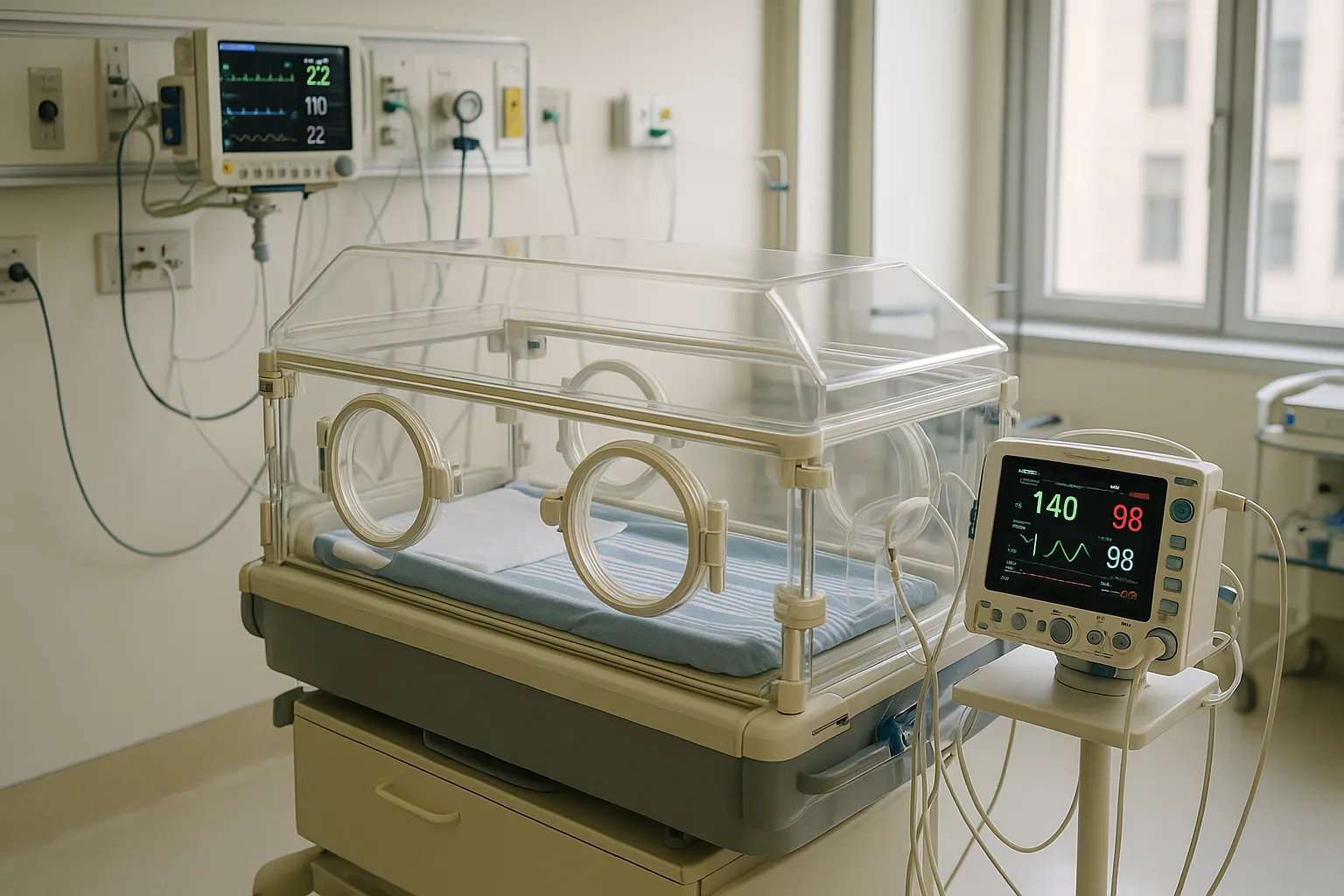
A mother’s devastation following the untimely death of her infant son has prompted urgent calls for change within the healthcare system, highlighting critical concerns over patient safety and monitoring protocols. Ismaeel Islam, who was just six months old, passed away in the Royal London Hospital’s special care baby unit on 7 March 2025. His death followed a tragic incident where a hospital monitor alarm was set to an inaudible volume, resulting in a failure to detect his deteriorating condition.
Ismaeel’s mother, Sharmin Akther, has openly expressed her fears that such a tragedy could repeat itself with another vulnerable infant. The inquest into his death revealed harrowing details about the events leading up to his collapse. In November 2024, at merely five weeks old, Ismaeel suffered a brain injury when his heart stopped, which deprived his brain of oxygen. Coroner Mary Hassell concluded that Ismaeel’s critical decline went unnoticed for about half an hour, attributing this to the alarm on his monitor being adjusted to a volume too low for proper detection.
Furthermore, during the time his condition worsened, Ismaeel’s cot was outside the line of sight of the nurse assigned to care for him, who was attending to another infant at that moment. Hassell stated, “If Ismaeel’s deterioration had been recognised immediately and treated appropriately, his life would have been saved.”
Akther, who is 39, conveyed her anguish to reporters, stating, “What happened cost Ismaeel his life but I want to prevent this from ever happening again. It’s not just about the monitor but also about the staff, who were stretched. It’s not only a machine or monitor fault. It’s an NHS Trust issue because someone at some point turned the volume down, and I don’t even know who did that.”
Ismaeel was born with Down’s Syndrome and had an accompanying heart condition, factors that further complicated his fragile health. Despite these challenges, his family described him as a strong and resilient baby. Prior to his collapse, he had been moved from the neonatal intensive care unit to the special care unit, suggesting that his condition was stabilising.
The coroner has recommended that baby monitor settings be locked at maximum volume to prevent similar incidents in the future. The manufacturer of the monitoring equipment, Masimo UK, expressed their condolences and confirmed that steps are being taken by Barts Health NHS Trust to enhance alarm audibility in response to this tragic event. Nonetheless, Akther voiced her scepticism over the effectiveness of these measures, stating that they are insufficient to prevent future tragedies.
She shared her concern about Ismaeel’s wellbeing prior to his transfer to the special baby unit, stating, “We flagged our concerns to the doctors when Ismaeel was moved. The unit was intended for babies that were ‘doing well and are stable’. Ismaeel’s health was not very stable, even though he was doing well.”
Speaking of the circumstances leading to the night of the incident, Akther recalled that her husband, Azharul Islam, had left the hospital shortly after 9:20 pm, reassured by the normal function of the monitor earlier that day. However, after receiving a call at 11:45 pm informing them of Ismaeel’s collapse, they arrived at the hospital to find their son in a critical state, surrounded by medical personnel attempting to revive him. “We discovered that he collapsed around 10:30 pm but we were told at 11:45 pm. It took them a very long time for us to know,” she said, expressing her frustration at the delay in communication.
“With our other children aged 11, 14, and 18 at home, it’s impossible for us to stay with him 24/7,” she added, reflecting on the challenges parents of hospitalized children often face. She and her husband spent as much time as possible with Ismaeel during his hospital stays, sharing cherished moments that would soon turn into heart-wrenching memories.
The coroner’s findings also questioned the staff-to-patient ratios, particularly concerning vulnerable infants like Ismaeel being left unattended for extended periods. “Leaving a baby alone for half an hour in a hospital, anything could happen. And it did to mine,” Akther lamented, underlining the need for an assessment of staffing levels and protocols in special care units.
In the wake of the inquest, concerns about alarm systems and appropriate nursing practices have come under scrutiny. Coroner Hassell remarked on the risk of similar fatalities occurring unless significant changes are implemented. She praised some measures already taken by the hospital, including addressing alarm audibility issues and improving monitoring visibility, while urging prompt action from the equipment manufacturer regarding alarm volume settings.
Masimo UK responded, affirming their commitment to patient safety and acknowledging the seriousness of harmful events related to their devices. The company indicated that they would cooperate fully during their ongoing investigation into the incident.
Barts Health NHS Trust issued an apology to Ismaeel’s family and acknowledged the inadequacies in the standard of care provided. They pledged to work closely with the family to find a resolution and ensure that lessons are learned from this tragic case.
The heart-wrenching story of Ismaeel Islam underscores a pressing need for systemic changes within healthcare to safeguard the lives of vulnerable infants. As Sharmin Akther continues her battle to honour her son’s memory, she hopes that her advocacy will help prevent similar tragedies from occurring in the future.
Our Thoughts
The tragic death of Ismaeel Islam highlights significant lapses in health and safety protocols within the hospital care setting. To prevent such incidents, several key safety lessons can be drawn. Firstly, the hospital should have ensured that alarm volumes for monitors were set to a level that could be reliably heard in all situations, in line with the Health and Safety at Work Act 1974, which mandates ensuring the health and safety of patients.
The lack of nursing staff visibility over the patients also breaches the Care Quality Commission’s standards regarding adequate monitoring of vulnerable patients. Increased nurse-to-patient ratios are essential to guarantee close supervision of at-risk infants, especially those with additional health concerns like Ismaeel.
The incident warrants a review of alarm management protocols, potentially including mechanisms to lock alarm volumes at maximum levels to prevent unintentional adjustments. Furthermore, comprehensive training for staff on the care of sensitive patients, alongside regular safety audits, could mitigate future risks. The coroner’s ruling underscores the obligation of the NHS Trust to implement systemic changes to improve patient safety and prevent recurrence of such tragedies.