














Story Highlight
- Four million social housing tenants to receive enhanced rights from November 30.
- Awaab’s Law provides strict timelines for landlords to address hazards.
- New rules cover dangers like electrical faults and structural defects.
- Legislation aims to improve tenant safety in social housing across England.
- Phase two of Awaab’s Law follows the tragic case of Awaab Ishak.
Full Story
Four million social housing tenants in England are set to benefit from enhanced rights following a law change scheduled for November 30. Under new regulations as part of phase two of Awaab’s Law, landlords will be required to address serious housing issues within specified timeframes, according to the Ministry of Housing, Communities and Local Government.
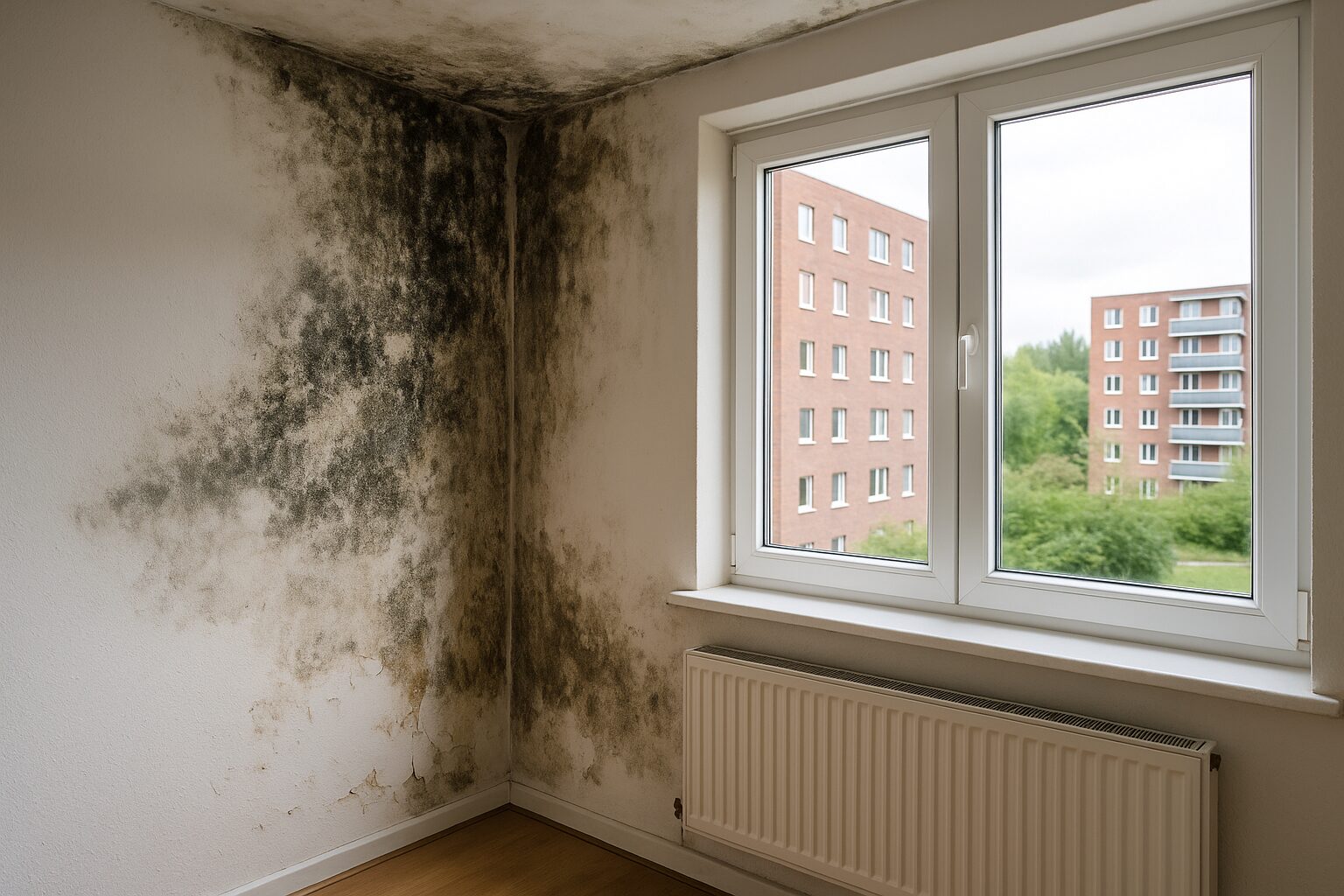
The legislation, aimed at improving living conditions, was inspired by the case of two-year-old Awaab Ishak, who died in 2020 from living with damp and mould. His parents have been significant campaigners for better protections for social tenants.
The updated rules mandate landlords to investigate immediate dangers, such as electrical faults, risks of falls, structural defects, and hygiene issues like pest infestations, within 24 hours. For serious issues that do not pose an immediate threat, landlords must take action within 10 working days. They are required to notify tenants of the problem and proposed solutions within three working days, conduct urgent safety work within five working days, and initiate longer-term repairs within 12 weeks. These timelines already apply to issues of significant damp and mould, as established in phase one of the law that commenced on October 27, 2025.
The regulations were laid in Parliament on July 13, 2026, as part of a phased implementation approach. The third and final phase, which aims to extend fast action requirements to all remaining hazards identified in the Government’s Housing Health and Safety Rating System, is scheduled for introduction in 2027.
The advancements in Awaab’s Law were initiated under former Prime Minister Sir Keir Starmer and are now being progressed by his successor, Andy Burnham. Labour MP Steve Reed, who served as Housing Secretary, expressed in July that the law sends a “clear message that tenants’ health and safety can never be compromised,” enhancing tenants’ rights to secure living conditions.
Gavin Smart, chief executive of the Chartered Institute of Housing, remarked that extending Awaab’s Law to cover additional hazards is a crucial step toward fostering safer and healthier homes. He emphasised the necessity of listening to residents and acting on their concerns to drive change within the sector.
Kate Henderson, chief executive of the National Housing Federation, welcomed the guidance provided by the government, indicating that the safety of homes remains a top priority for housing associations. She confirmed that discussions have taken place with the government to ensure the law delivers optimal outcomes for residents while being feasible for housing associations.
This legislation only applies in England, with parallel measures being introduced in Wales, Scotland, and Northern Ireland aimed at enhancing social housing safety.
Source: read the original report.
What this means for your site
The implementation of Awaab’s Law highlights the crucial need for proactive health and safety measures in social housing. Although aimed at safeguarding tenant health, a more rigorous approach to hazard identification and reporting could have potentially averted the tragic circumstances leading to the law’s enactment. Adequate training for landlords and housing managers on identifying various hazards, alongside robust communication channels with tenants, would have been key strategies to implement earlier.
Relevant UK legislation includes the Housing Health and Safety Rating System (HHSRS), which underpins Awaab’s Law by guiding landlords on assessing the risks present in residential properties. Additionally, the Management of Health and Safety at Work Regulations 1999 imposes duties on employers to assess and manage risks to health and safety.
To prevent similar scenarios, housing authorities should establish regular safety audits and maintenance schedules, ensuring hazards are documented and addressed promptly. Furthermore, fostering an ongoing dialogue with tenants about their living conditions can ensure that problems are reported and dealt with long before they escalate into serious health risks.