











Story Highlight
- HSE reports increased prosecutions for illegal gas work during Gas Safety Week.
- Seventeen people convicted of illegal gas work since early 2025.
- Lee Lancaster found guilty of dangerous gas work without qualifications.
- Gas leaks left family without heating or hot water for weeks.
- HSE urges public to check engineers’ credentials before work commences.
Full Story
The Health and Safety Executive (HSE) has issued a warning highlighting a significant rise in prosecutions for illegal gas work as part of Gas Safety Week, which runs from September 14 to 20. Since the start of 2025, 17 individuals have been convicted for conducting gas work without the necessary qualifications, in contrast to only three convictions in 2022/23 and four in the following year.
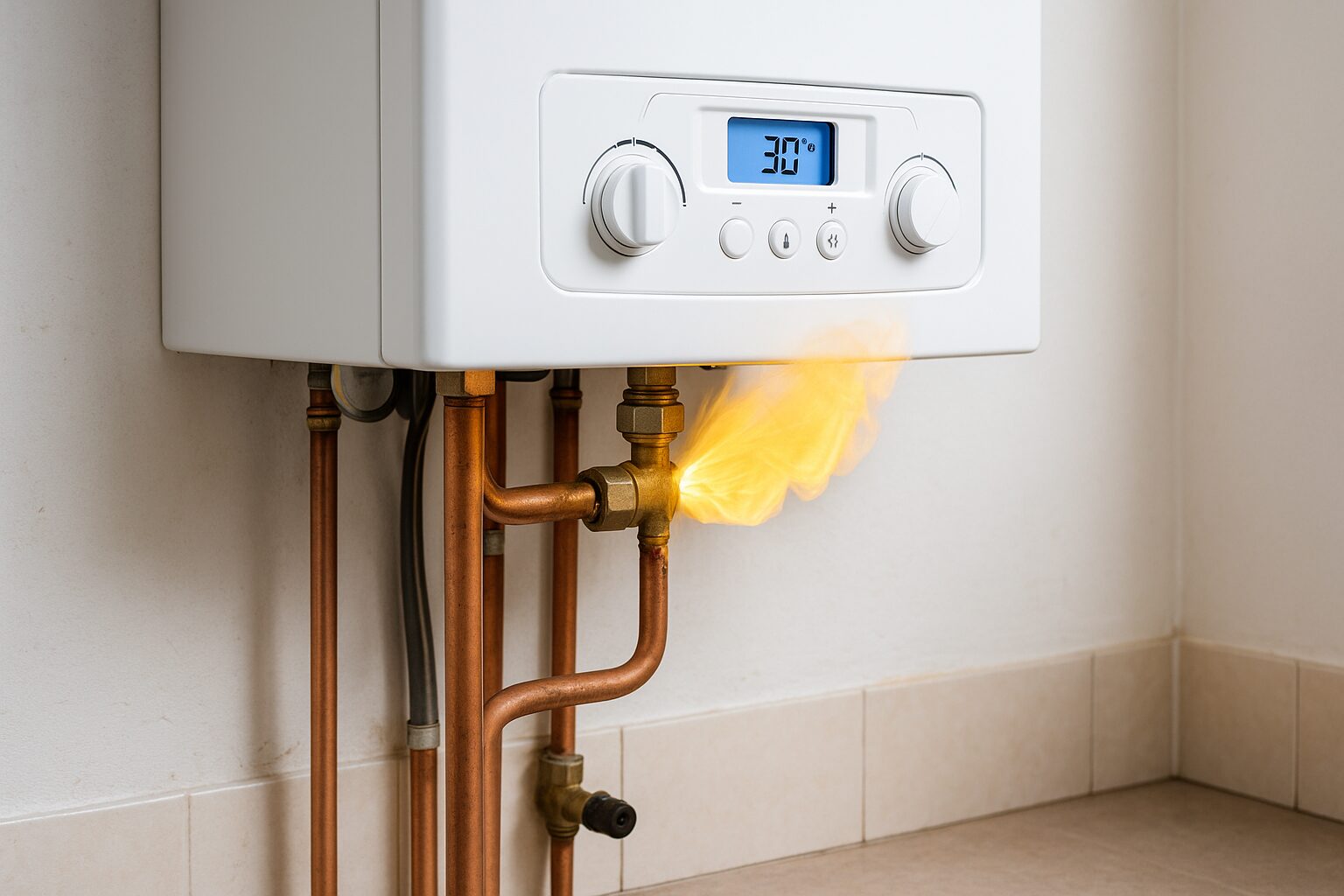
Among those prosecuted is Lee Lancaster, 38, from New Market Street, Ulverston. His unsafe installation of a gas combi boiler and associated pipework at a family home in South Cumbria was classified as “Immediately Dangerous” by inspectors. After the installation in February 2024, a resident noted a gas smell, prompting a report to Cadent, which discovered three separate gas leaks. This led to the gas supply being cut off for six weeks, leaving the household of four without heating or hot water.
An HSE investigation revealed that Lancaster lacked the appropriate gas qualifications and was not registered with the Gas Safe Register, making him unauthorised to perform the work. He admitted to violating the Gas Safety (Installation and Use) Regulations 1998 and was subsequently sentenced to a 12-month community order, required to complete 200 hours of unpaid work, and ordered to pay £2,000 in costs.
HSE Inspector Matthew Shepherd stated, “The risks from uncontrolled gas leaks are well known and can be fatal. Mr Lancaster knew he was unqualified and not Gas Safe registered yet still took on this work, putting a family in very real danger. We will not hesitate to take action against anyone undertaking gas work where they are not competent or registered to do so.” This case reflects a growing trend of prosecutions as the HSE stresses the importance of verifying engineers’ qualifications before permitting any gas-related improvements.
Steve Critchlow, Principal Inspector of Gas Safety at HSE, remarked that the increase in convictions serves as a warning to homeowners. He noted, “Gas Safety Week is the right time to remind people just how serious the risks of illegal gas work can be, and the rising number of convictions of rogue traders carrying out unregistered gas work should be a warning to everyone. Temperatures are going down and bills are going up, but cutting corners when it comes to getting your gas appliances properly serviced by a registered professional could be a fatal mistake.” He emphasised the dangers, including fires, explosions, and carbon monoxide poisoning, associated with uncontrolled gas leaks. Critchlow urged homeowners to confirm that their engineers are registered with the Gas Safe Register before starting any work on gas appliances.
This year marks the fourteenth anniversary of Gas Safety Week, which aims to raise public awareness about gas safety through collaboration among the gas industry, local authorities, and landlords. Members of the public are encouraged to check if their engineer is legally registered by visiting www.gassaferegister.co.uk, calling 0800 408 5500, or requesting to see their Gas Safe ID card.
Source: read the original report.
What this means for your site
This incident highlights the critical importance of compliance with the Gas Safety (Installation and Use) Regulations 1998. A key preventative measure would have been to ensure that only qualified and registered engineers undertake gas work. Prior to engaging a contractor, businesses must verify their Gas Safe registration to mitigate risks associated with illegal and unqualified gas installations.
To reinforce safety protocols, businesses should implement a robust contractor vetting process, including regular training on the importance of compliance with gas safety regulations. Additionally, conducting routine audits of contractors’ credentials can ensure adherence to safety standards. This proactive approach can significantly reduce the risks associated with gas work and prevent similar dangerous situations from occurring.