











Story Highlight
- Concerns raised about safety on mental health wards in Wales
- Mould and leaks found during unannounced inspection in June
- Mandatory training compliance identified as a significant concern
- Health board claims improvement plans are in place and completed
- Inspection noted positive patient experiences and compassionate care
Full Story
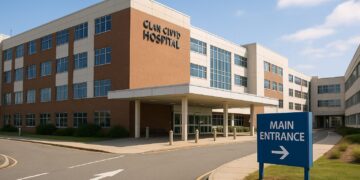
Major safety concerns have been highlighted regarding both patient and staff welfare in two mental health wards at the University Hospital Llandough in Cardiff, according to a recent report by Healthcare Inspectorate Wales (HIW). This evaluation follows a similar scrutiny of other mental health facilities at the hospital conducted just months prior.
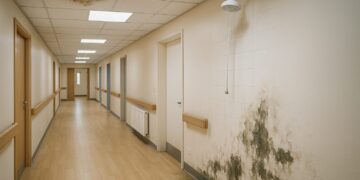
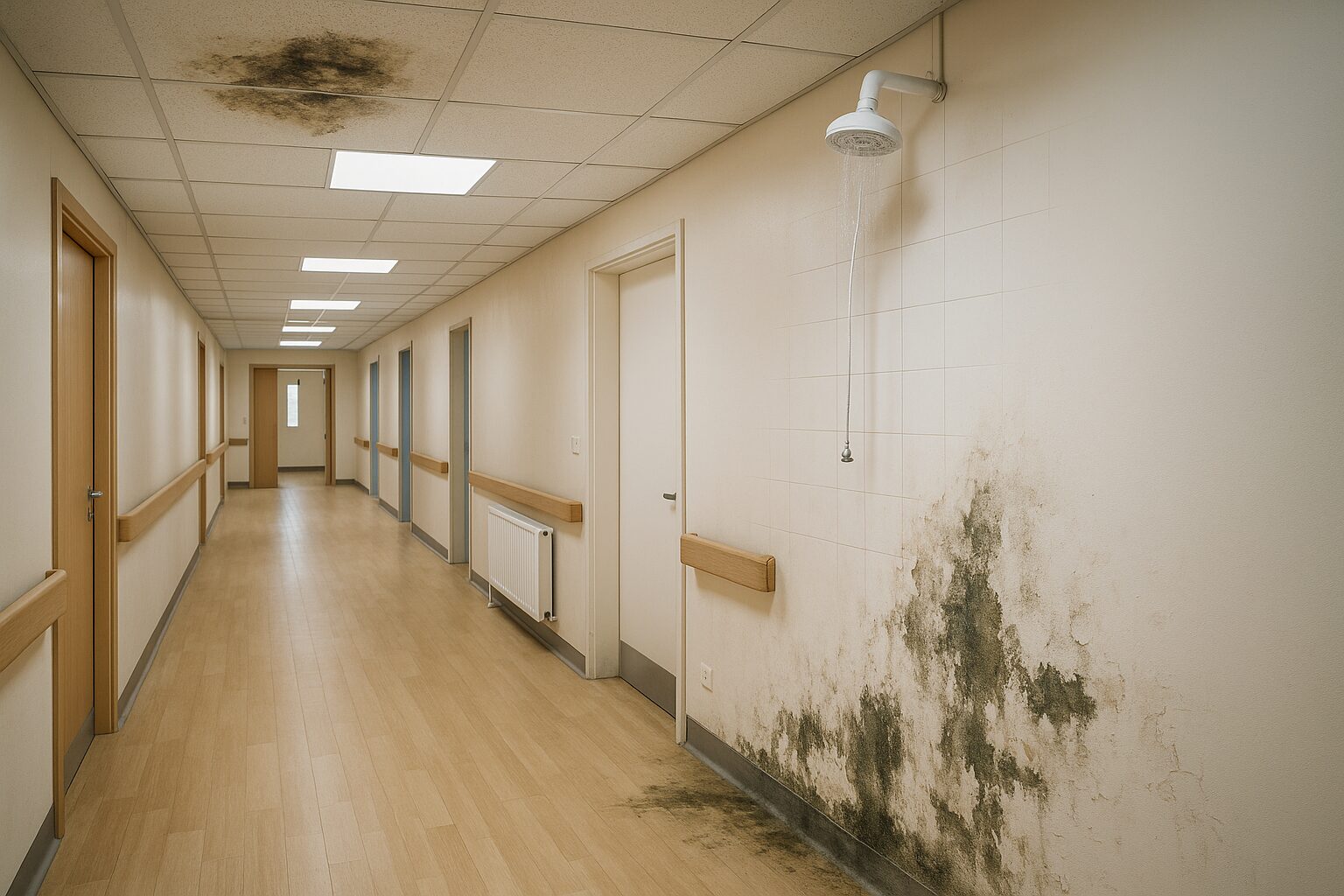
An unannounced inspection was carried out at the Meadow and Daffodil mental health rehabilitation services in June, uncovering issues such as mould, leaks from ceilings, and malfunctioning shower and bathing utilities. The inspectors also flagged “significant concerns” regarding compliance with mandatory training and expressed dissatisfaction with the number of staff available to manage risks effectively. HIW asserted that “urgent action was required at the unit” to rectify immediate safety concerns affecting patients and staff. The health board will be closely monitored to ensure progress in addressing these issues.
In a statement, Cardiff and Vale University Health Board reported that the issues had been addressed in accordance with HIW protocols. They stated, “Since the inspection, comprehensive improvement plans have been put in place across the service. Most actions have now been completed.”
The problematic report follows another inspection in March, which revealed “serious concerns” in wards 10, 14, and 16. This earlier inspection noted unpleasant odours, faecal staining on furniture, and blood-like stains on a wall.
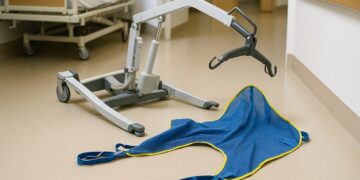
The latest findings from the Meadow and Daffodil wards were compiled over a three-day inspection. HIW noted serious deficiencies in compliance with crucial mandatory training. The report highlighted low compliance rates in important areas including life support, safeguarding, moving and handling, and aggression management training. Nevertheless, the inspection acknowledged positive aspects such as dedicated, compassionate care from staff and a variety of therapeutic activities benefiting patients.
Alun Jones, Chief Executive of HIW, remarked, “Inspectors found dedicated staff providing kind, compassionate and person-centred care to patients at Llanfair Unit. However, significant concerns were highlighted, including safety-critical staff training, which required immediate action, alongside longstanding environmental issues that affected the privacy, dignity and wellbeing of patients.” He added that the health board must demonstrate consistent application of learning across services and maintain improvements, with ongoing monitoring.
Jason Roberts, Executive Nurse Director at Cardiff and Vale University Health Board, expressed appreciation for HIW’s findings, acknowledging areas needing improvement, particularly mandatory training compliance. He stated that these concerns had been tackled in line with HIW’s Immediate Assurance Process and that comprehensive improvement plans have been set in motion across the service, with an emphasis on bolstering safety, communication, staff training, governance, and leadership oversight.
Roberts recognised the potential concerns raised by the report, which did not meet the expected safety and governance standards. He confirmed that robust monitoring and assurance systems are in place to maintain progress and complete any outstanding actions. He concluded by noting the inspection also recognised positive aspects such as a culture of respect and compassionate care, as well as effective team collaboration that supports patient recovery and independence.
Source: read the original report.
What this means for your site
The serious lapses in patient and staff safety highlighted by HIW at the Welsh hospital raise critical questions about compliance with health and safety legislation. The Health and Safety at Work etc. Act 1974 mandates that employers ensure, as far as reasonably practicable, the health and safety of employees and others affected by their work. In addition, the Management of Health and Safety at Work Regulations 1999 require effective risk assessments and appropriate staff training, particularly in safety-critical areas like life support and safeguarding, where compliance was notably lacking.
To prevent similar incidents, a site could implement regular mandatory training schedules for all staff, ensuring compliance is tracked and reported frequently. Additionally, conducting routine audits of the physical environment under the Health and Safety (MSc and Other Risks) Regulations 1999 would help identify and mitigate hazards, such as the maintenance issues observed during the inspection. Proactive engagement with staff regarding safety concerns can foster a culture of safety and accountability, ensuring that improvements are sustained and the well-being of both patients and staff is maintained.