















Story Highlight
- Study of 19000 patients links emergency department crowding to increased mortality.
- Emergency departments averaged 175% occupancy during the study period.
- Estimated 550 deaths weekly across Wales and England linked to overcrowding.
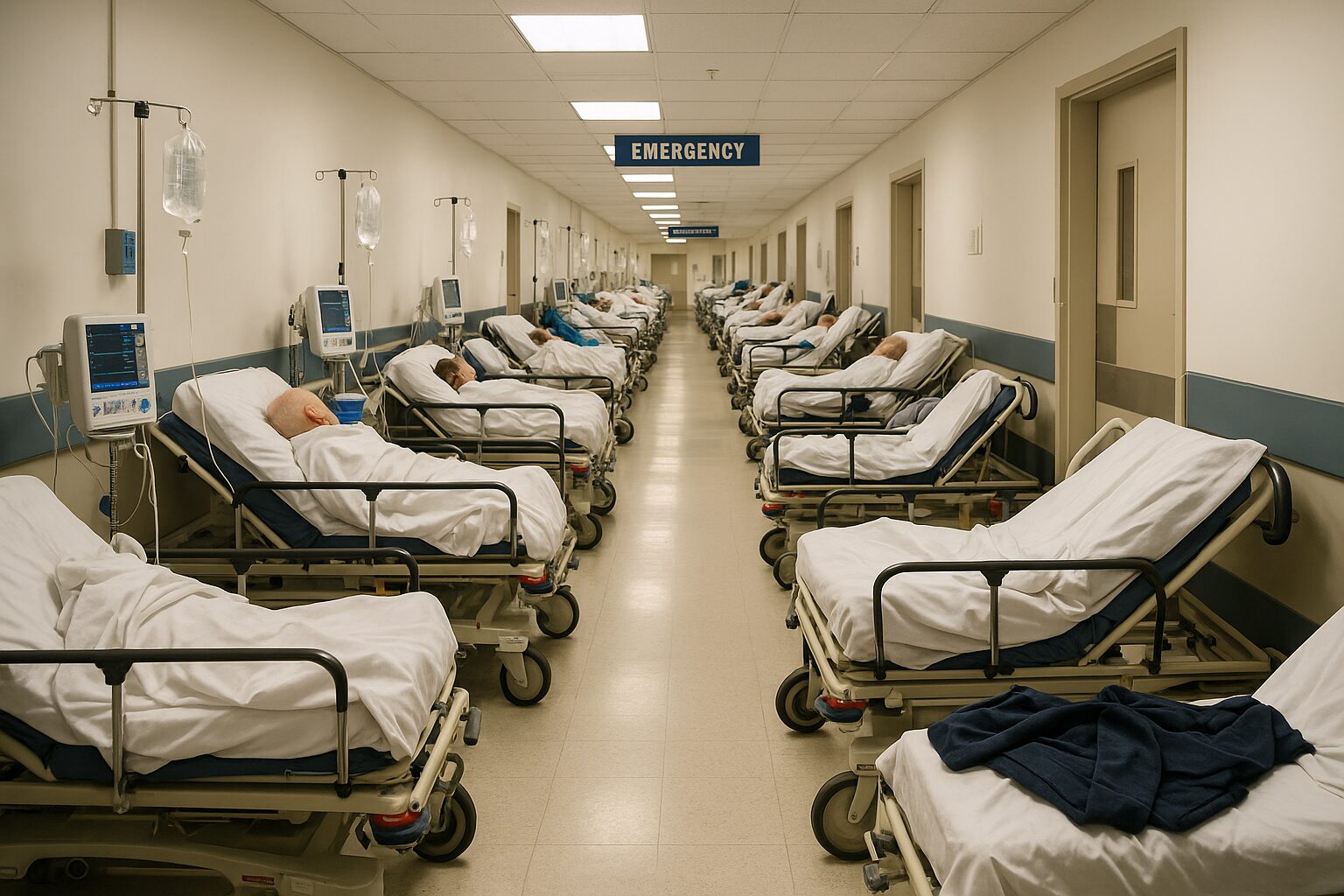
- Corridor care also associated with increased risk of death.
- Calls for urgent action to address overcrowding and improve patient care.
Full Story
A recent study assessing over 19,000 adult patients has revealed a concerning link between emergency department occupancy levels and patient mortality. Conducted across 134 accident and emergency (A&E) departments in Wales, Northern Ireland, and England, the study found that a 10 percent rise in occupancy corresponds with a 1 percent increase in the likelihood of death within 28 days after hospital admission. This research was presented by Dr Ryan McHenry, an emergency medicine doctor from the University of Glasgow, at the European Emergency Medicine Congress held in France.
The study spanned two weeks in March 2025, encompassing nearly 70 percent of emergency departments across the three regions. Dr McHenry noted, “We found that increased crowding in emergency departments is associated with increased mortality for patients admitted to hospital.” He further highlighted the prevalence of busy A&E departments, estimating that approximately 550 deaths may be linked to overcrowding each week across England, Wales, and Northern Ireland. He acknowledged the study’s limitations, stating, “Although we cover the majority of the emergency departments in the UK, this was still a relatively small study, and the possible range of expected deaths is therefore large; we estimate anywhere between 33 and 1,083 excess deaths are plausible.”
The criteria for calculating occupancy were based on the number of treatment spaces available versus the number of patients being treated, revealing that emergency departments were, on average, functioning at 175 percent occupancy, indicating severe overcrowding. The study also examined the implications of “corridor care,” where patients receive treatment in non-standard areas, which was found to similarly elevate the risk of mortality.
Dr Felix Lorang, from the emergency medicine congress abstract selection committee, commented on the situation, noting the extreme pressures faced by emergency departments, particularly due to “exit block,” which occurs when patients cannot be admitted to inpatient wards. He stated, “This makes it harder for doctors and nurses to deliver the treatment patients need, or even the minimum treatment required to prevent further harm.” He emphasised that overcrowding and corridor care significantly jeopardise patient survival.
Dr Ian Higginson, president of the Royal College of Emergency Medicine, voiced alarm over the findings, asserting, “People are dying in association with overcrowding in emergency departments. This should be cause for alarm among policymakers, and yet we are not seeing any urgency.” He reiterated ongoing calls for governmental action to alleviate the detrimental impact of overcrowding on both patients and healthcare professionals, warning that continued neglect may lead to staff attrition.
In response to the report, a spokesperson for the Department of Health and Social Care acknowledged the challenges faced by the NHS, noting the record demand experienced over the summer. The spokesperson stated, “Overcrowding can have a serious impact on patients’ experience and safety, which is why we are taking urgent action to reduce pressure on emergency departments and end corridor care.” They outlined efforts to improve emergency care by deploying expert teams to the most challenged trusts and investing over £1.5 billion in healthcare infrastructure to better manage consistent pressures, while also aiming to increase access to community-based care.
Source: read the original report.
What this means for your site
The findings from the study on overcrowding in emergency departments highlight significant issues that can be addressed to prevent increased mortality rates. One primary aspect that could be improved is the management of patient flow and capacity in emergency departments. By implementing more effective triage systems and increasing staffing during peak times, hospitals can better manage the number of patients being treated, reducing occupancy rates below the critical threshold. This would also align with the obligations under the Health and Safety at Work etc. Act 1974, which requires employers to ensure the health and safety of all their employees and those affected by their work activities.
Additionally, the Management of Health and Safety at Work Regulations 1999 mandates risk assessments to identify potential hazards. Hospitals should conduct regular assessments to evaluate emergency department capacity and the risks associated with corridor care. Concrete actions could include enhancing recruitment and retention strategies for nursing staff to ensure adequate staffing levels during high-demand periods and exploring alternative care models that extend services outside the traditional A&E setting, aiming to alleviate pressure on emergency departments and improve patient outcomes.