













Story Highlight
- Resorcinol is first EU substance classified as endocrine disruptor.
- Classification does not automatically ban resorcinol in cosmetics.
- SCCS and UK deemed resorcinol safe at specific concentrations.
- Industry anticipates regulation changes; preparation is essential.
- ED HH1 classification signals shift in safety evaluation standards.
Full Story
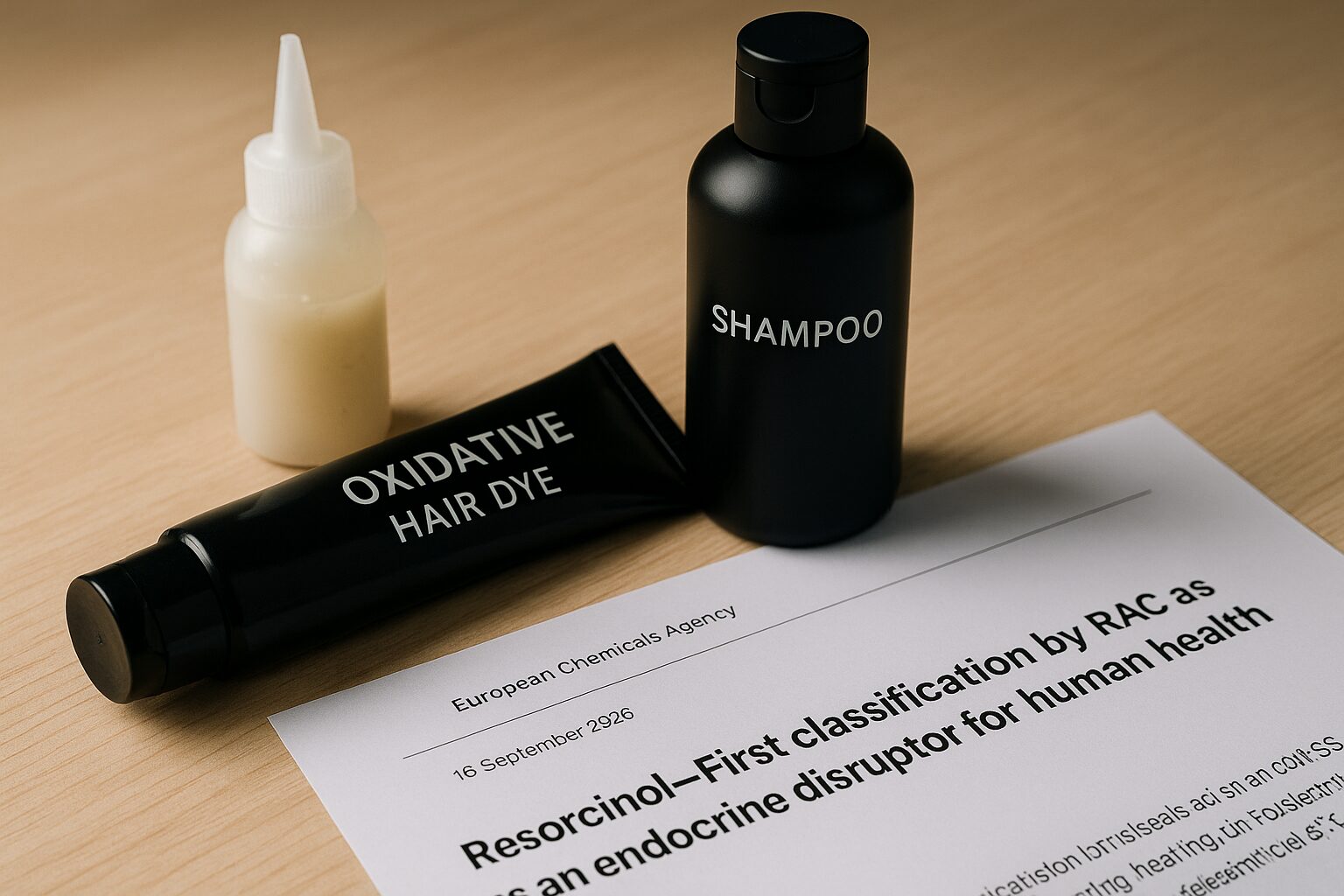
On September 16, 2026, the European Chemicals Agency (ECHA) announced that resorcinol has received the first classification as an endocrine disruptor for human health (ED HH1) by the Committee for Risk Assessment (RAC). This was a significant development, as the substance is commonly used in cosmetics and hair dyes. In 2021, the EU’s Scientific Committee on Consumer Safety (SCCS) deemed resorcinol safe at concentrations of up to 1.25% in hair dyes and 0.5% in hair lotions and shampoos. Similarly, the UK Scientific Advisory Group on Chemical Safety (SAG-CS) endorsed these concentrations in January 2026, determining a Margin of Safety (MoS) of 4,687.
The classification raises concerns within the industry regarding potential regulatory changes. Under current legislation, resorcinol is not automatically banned from cosmetics, although its classification signifies a shift in safety assessments. Past incidents, como Zinc Pyrithione, have shown that a change in classification can lead to an ingredient’s prohibition despite prior safety evaluations.
It is essential to distinguish between the varying classifications made by the RAC and the SCCS. While the RAC addresses the hazardous potential of endocrine disruption, the SCCS assesses the actual risk posed by an ingredient based on usage concentrations. Misunderstandings have arisen around the implications of ED HH1 classification, particularly the assumption that it will lead to an automatic ban on cosmetics containing the substance. However, current regulations do not include endocrine disruptors under the same assessments that apply to carcinogenic, mutagenic, or reproductive toxic substances.
Previous assessments revealed that a significant proportion of authorities have expressed concerns over how effectively the Cosmetics Regulation protects against endocrine disruption. The 2018 review concluded that endocrine disruptors could be regulated through SCCS risk assessments, but the debate continues regarding whether further regulatory measures are required.
The classification of resorcinol points to shifting dynamics regarding hazard classifications and regulatory measures. The RAC’s recommendation is not yet conclusive, as it awaits formal amendments to the existing regulations. Furthermore, there are ongoing discussions regarding potential changes, including the Article 15 prohibition expansion versus maintaining individual assessments under Article 31.
Manufacturers are encouraged to anticipate regulatory changes in their product formulations. Beginning November 1, 2026, new hazard classes, including endocrine disruptor classifications, will apply to existing substances and are likely to influence Safety Data Sheets (SDS). As the window narrows for companies to adapt, tracking developments related to resorcinol and other potential endocrine disruptors is critical to ensure compliance and maintain product safety.
The implications of this transition extend beyond resorcinol. There are numerous other substances potentially facing similar assessments that could significantly impact the cosmetics industry moving forward.
Source: read the original report.