
















Story Highlight
- Older drivers should be banned from the road in their 80s
- No upper limit exists for UK driving licence holders currently
- Health deterioration concerns prompt recommendations from safety campaigner
- Over 1.65 million over-80s hold driving licences in the UK
- Politicians are not considering an upper age limit for driving
Full Story
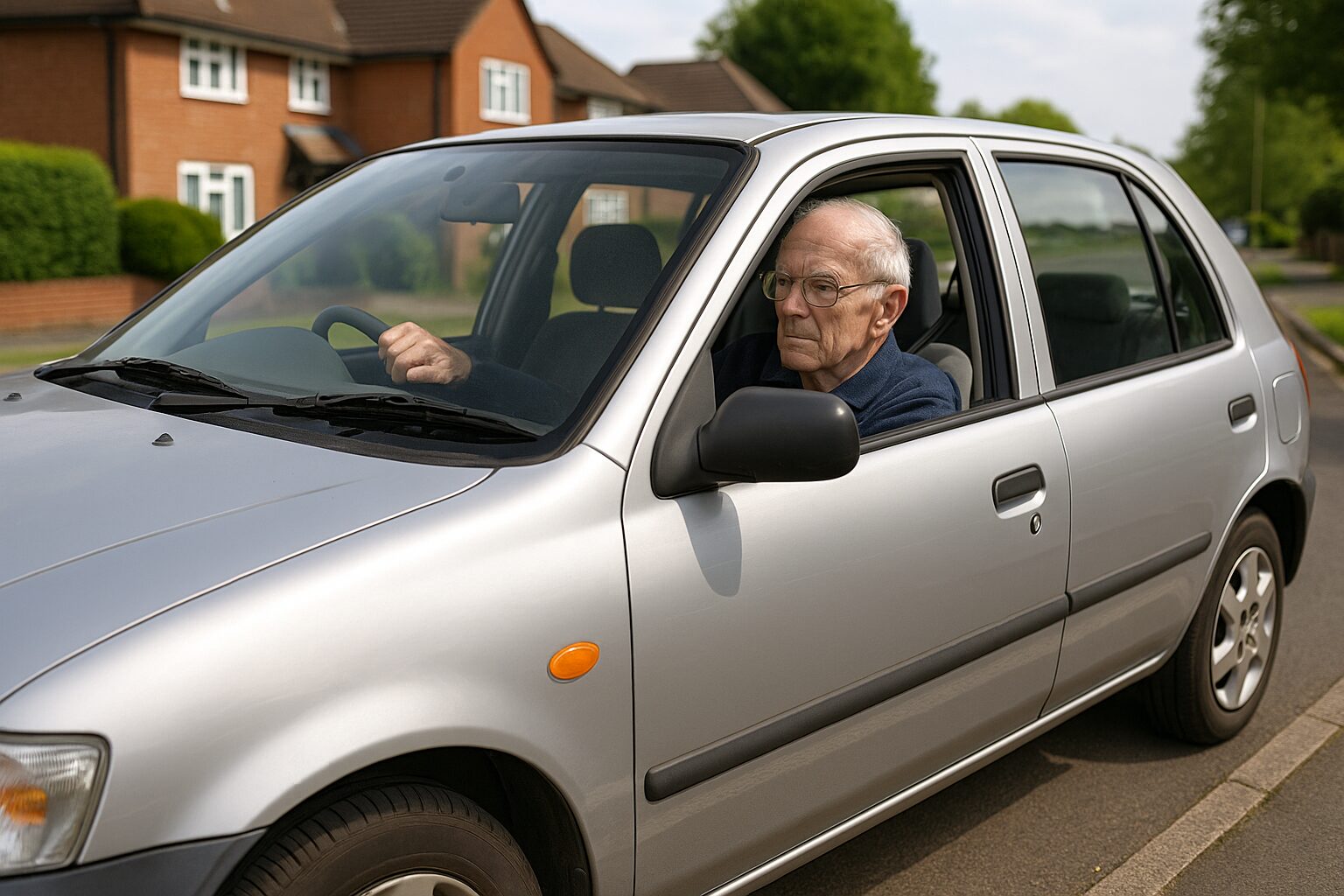
Older drivers in the UK may soon face increased scrutiny regarding their driving ability, as safety campaigner John Kushnick has called for a maximum age limit for driving. The Legal Operations Director at National Accident Helpline advocates for a driving age cap to be introduced for individuals “somewhere in their 80s,” citing concerns about the rapid health deterioration that can accompany aging.
Currently, there is no upper age limit for holding a driving licence in the UK, allowing individuals to continue driving as long as they are deemed fit and healthy. However, Kushnick stresses that mandatory restrictions should be considered for drivers older than 80. He stated last year, “A maximum driving age should also be introduced, likely somewhere in the 80s, due to the potential for rapid health deterioration.”
Statistics from the AA indicate that the average age when people typically stop driving is 75 years. They also note that for some individuals, the decision to give up driving is not voluntary, as certain medical conditions can legally prohibit them from operating a vehicle. There are over 150 medical conditions that drivers must report to the DVLA, which can affect their driving capabilities.
Data has shown that there are approximately 1.65 million drivers aged 80 and over who currently hold valid driving licences in the UK. Should changes be made, it could result in pensioners being required to undergo eyesight tests every three years to maintain their licences. At present, however, there is no legislative effort to establish an upper age limit for driving.
Kushnick remarked on the inherent dangers of driving, saying, “Driving is inherently dangerous and requires the ability to react swiftly to emerging risks.” He warned that any factors that slow a driver’s reaction time heighten the risks on the road, providing poor eyesight as a significant example. “Drivers may be slower to respond or may completely miss potential hazards,” Kushnick noted, highlighting the importance of assessing the driving capabilities of older motorists.
Source: read the original report.
What this means for your site
While the article discusses the proposal for age limits on drivers, it highlights significant considerations for safety management in any context reliant on user competency and health. An important aspect that could have been addressed is the implementation of routine health assessments to ensure drivers maintain the necessary capabilities for safe driving. Mandatory health checks could mitigate risks associated with age-related health declines, potentially preventing accidents linked to impaired driving.
The relevant UK legislation in relation to health assessments is the Management of Health and Safety at Work Regulations 1999, which requires employers to assess risks and ensure their workforce is fit for the tasks they undertake. Although this does not specifically address age limits for drivers, the principles can be applied to workplace driving roles. Employers could institute a policy for regular health checks, particularly focusing on eyesight and other cognitive abilities, which would align with their responsibilities under this regulation.
Additionally, maintaining clear communication and education about when to report medical conditions impacting driving ability, as mandated by the DVLA, can further enhance safety. This ensures that any issues can be promptly addressed, reducing potential hazards associated with driving inadequacies.