












Story Highlight
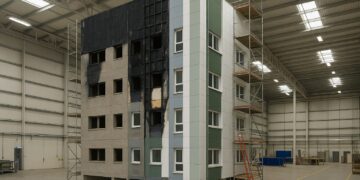
- Metropolitan Police builds £2 million replica of Grenfell Tower.
- 54 individuals and 20 organisations are potential suspects in investigation.
- Crown Prosecution Service to make charging decisions by June 2027.
- Met investigation includes 165 million electronic files and 14,700 statements.
- Families urge swift justice after nine years of waiting.
Full Story
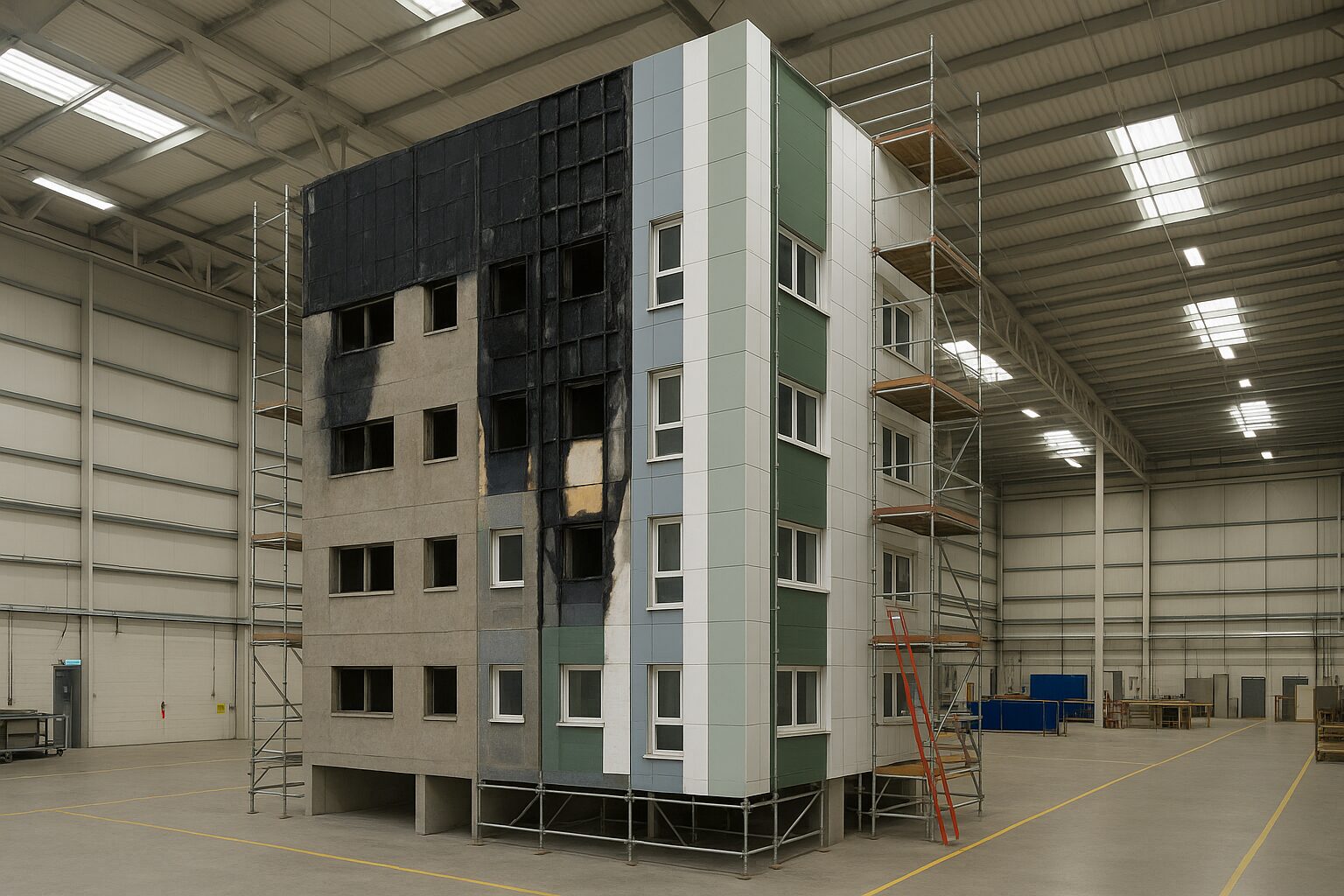
The Metropolitan Police is constructing £2 million replica sections of Grenfell Tower in preparation for potential criminal proceedings involving 54 individuals and 20 organisations identified as suspects in the investigation into the 2017 fire. This initiative aims to assist future jurors in understanding the tower’s layout and appearance before, during, and after its refurbishment. The police have submitted their final files to the Crown Prosecution Service (CPS), requesting the consideration of charges that include corporate manslaughter, gross negligence manslaughter, health and safety offences, fraud, and misconduct in public office. The CPS has committed to making charging decisions by 14 June 2027, which marks the 10th anniversary of the fire that resulted in 72 fatalities.
The scale replica, being created at a cost of £2 million, is expected to provide jurors with insights that drawings or 3D models may not convey. The investigation, referred to as Operation Northleigh, has involved 220 investigators who have amassed 165 million electronic files, taken 14,700 witness statements, and examined over 27,000 physical exhibits, including cladding, insulation, and various building components.
The Metropolitan Police has submitted 20 files related to 54 individuals and 20 organisations, along with 14 overarching evidence files. The summary of these documents surpasses 12,600 pages and references in excess of 45,000 documents, images, and exhibits. Investigators have scrutinised the roles of more than 15,000 individuals and 700 organisations before arriving at the current list of suspects. They have also consulted the 1,700-page Grenfell Tower Inquiry report to compare its findings with their criminal investigation.
Additionally, the Royal Borough of Kensington and Chelsea has been referred to prosecutors on grounds of potential corporate manslaughter and breaches of health and safety legislation. Housing Secretary Angela Rayner confirmed that the Ministry of Housing was informed in 2023 about the investigation. The police have referred a potential breach of the Health and Safety at Work Act 1974 to the CPS.
The CPS will conduct an independent review of the evidence to determine whether the legal requirements for prosecution are met. They remain optimistic that charging decisions will be finalised before the 10th anniversary. Deputy Assistant Commissioner Kevin Southworth called the submission a significant development in one of the most complex investigations undertaken by a UK law enforcement agency.
Grenfell United, a group representing bereaved families and survivors, expressed that families have waited over nine years for justice and urged an expedited process. The Grenfell Tower Inquiry concluded in 2024 that the disaster was preventable and highlighted serious failures in both government and the private sector. The findings from the inquiry are distinct from the ongoing criminal investigation. As the CPS evaluates the evidence, the 54 individuals and 20 organisations remain suspects, and a referral does not guarantee that charges will follow.
Source: read the original report.
What this means for your site
The tragic Grenfell Tower fire has highlighted significant lapses in health and safety practices, particularly concerning fire safety and building regulations. In retrospect, the Royal Borough of Kensington and Chelsea could have implemented more stringent measures in line with the Regulatory Reform (Fire Safety) Order 2005, ensuring adequate risk assessments and safety management systems were in place. Enhanced training for staff regarding fire safety protocols would have also been beneficial.
Additionally, the responsibilities under the Health and Safety at Work etc. Act 1974, specifically regarding the duty of care owed to those who live and work in the building, were evidently not met. Effective communication channels between various parties involved in building management and refurbishment could have facilitated a clearer understanding of compliance requirements.
To prevent similar incidents, site managers should prioritize regular fire safety audits and ensure compliance with all relevant health and safety legislation. Establishing a culture of safety that includes ongoing staff training on fire risk management and the implications of non-compliance can significantly mitigate risks. Creating an accessible reporting system for safety concerns could also foster a proactive safety environment.