





Story Highlight
- Event attracted 427 entries with 217 shortlisted across 25 categories.
- Ceremony hosted by comedian Hal Cruttenden at Telford International Centre.
- Judging involved 135 judges over five weeks and virtual sessions.
- First-time presentations at HSJ Patient Safety Congress alongside the awards.
- Event celebrates NHS improvements amidst significant pressures and challenges.
Full Story
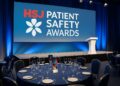
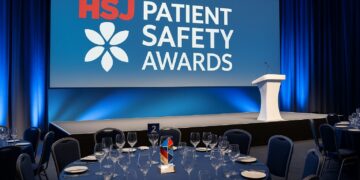
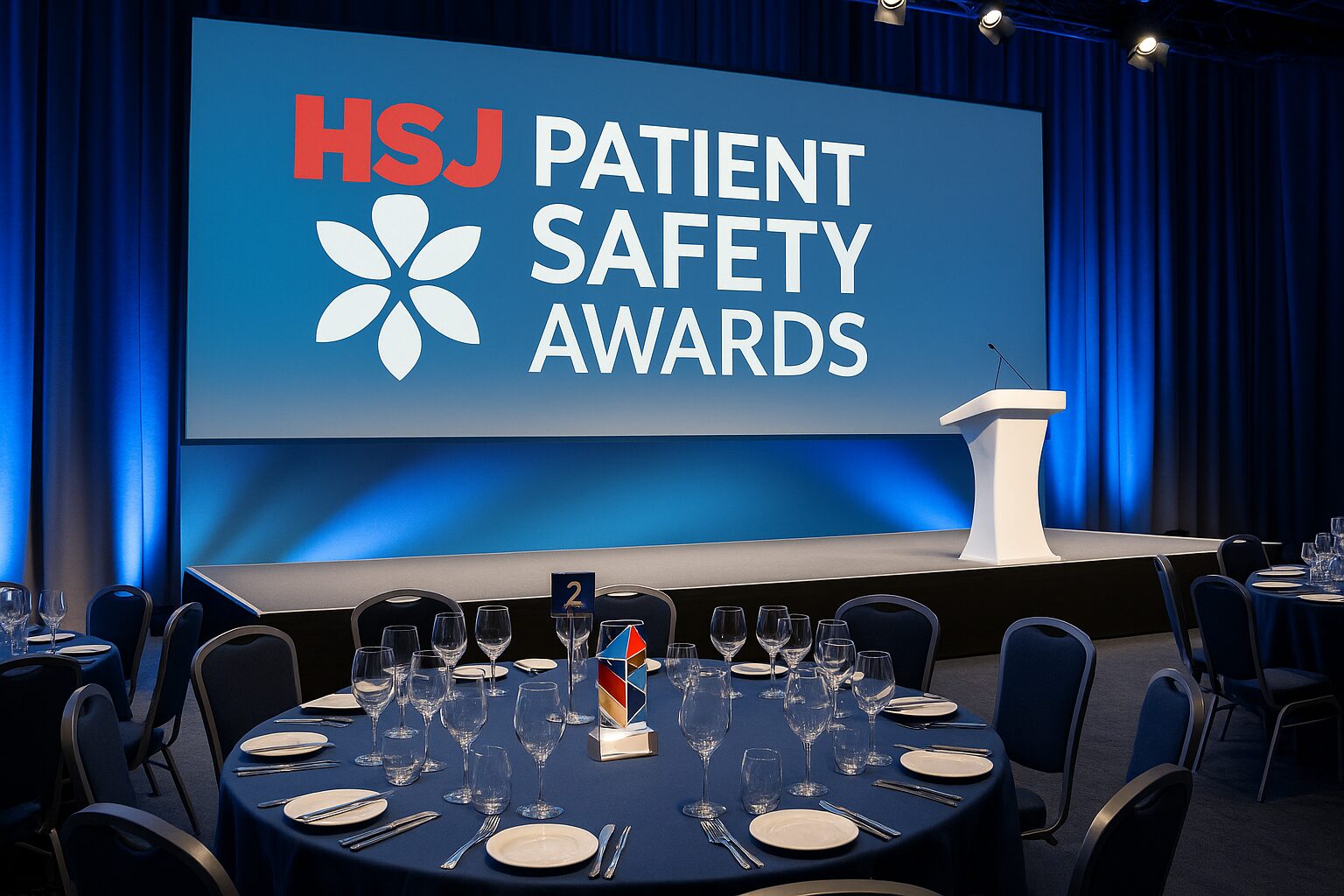
This year’s health and safety awards at the Telford International Centre received a total of 427 entries, from which 217 were shortlisted across 25 categories. The ceremony was hosted by comedian Hal Cruttenden and involved 135 judges participating in the selection process. The judging occurred in two stages, comprising an initial five weeks followed by approximately 190 hours of virtual evaluations.
The awards feature categories such as the Improving Medicines Safety Award, the Urgent and Emergency Care Safety Initiative of the Year, and the Maternity, Midwifery and Neonatal Safety Initiative of the Year, alongside several others aimed at highlighting patient safety efforts. The recognised areas include clinical and specialist excellence, organisational change, and innovations in services and systems. Categories also encompass digital clinical safety, surgical care, data usage, and patient involvement.
For the first time this year, shortlisted organisations presented their projects at the HSJ Patient Safety Congress, which coincided with the awards ceremony. HSJ editor Alastair McLellan opened the event, stating that patient safety had regained prominence in health discussions over the past year. However, he pointed out that the focus has largely been on maternity services, with emergency departments and acute wards receiving insufficient attention. McLellan highlighted that extended waiting times in accident and emergency departments, particularly waits surpassing eight hours, correlate with increased mortality rates.
He commended the finalists for their remarkable advancements in patient safety against a backdrop of significant pressures on the NHS. McLellan asserted that efforts to mitigate patient harm often face resistance amid the challenges of unprecedented demand and performance recovery. He expressed that the achievements of the finalists demonstrate the potential for success in challenging circumstances.
Additionally, he extended gratitude to the 135 judges, whom he described as leaders in their respective fields, as well as to the headline sponsor, Radar Healthcare, and the awards’ category partners. Now in its 16th year, the event honours the dedication of individuals and teams striving to enhance safety across the NHS and broader health and care services.
Source: read the original report.
What this means for your site
The event underscores the critical need for continuous focus on patient safety beyond maternal services. Safety managers in healthcare settings should consider enhancing their risk assessments in emergency departments and acute care areas to align with the Health and Safety at Work etc. Act 1974, which mandates the provision of a safe working environment and the protection of patients.
Additionally, the Management of Health and Safety at Work Regulations 1999 necessitate effective management of risks in healthcare settings, ensuring that appropriate procedures are in place for identifying and responding to hazards. Improving wait times and patient flow in emergency departments could significantly reduce risks of harm associated with prolonged waits, a concern linked to increased mortality rates.
Concrete steps that could be taken include implementing a robust patient flow management system to minimize wait times and regularly training staff on emergency response protocols to enhance their readiness in high-pressure situations. Such measures would align activities with the best practices highlighted during the awards ceremony, resulting in improved safety outcomes for patients and healthcare staff alike.