















Story Highlight
– UK agrees to pay 25% more for medicines.
– NHS risks delays and budget black hole.
– Trump threatens tariffs on drug imports.
– Pharmaceutical companies pause investments in the UK.
– NICE may raise cost-effectiveness threshold for drugs.
Full Story
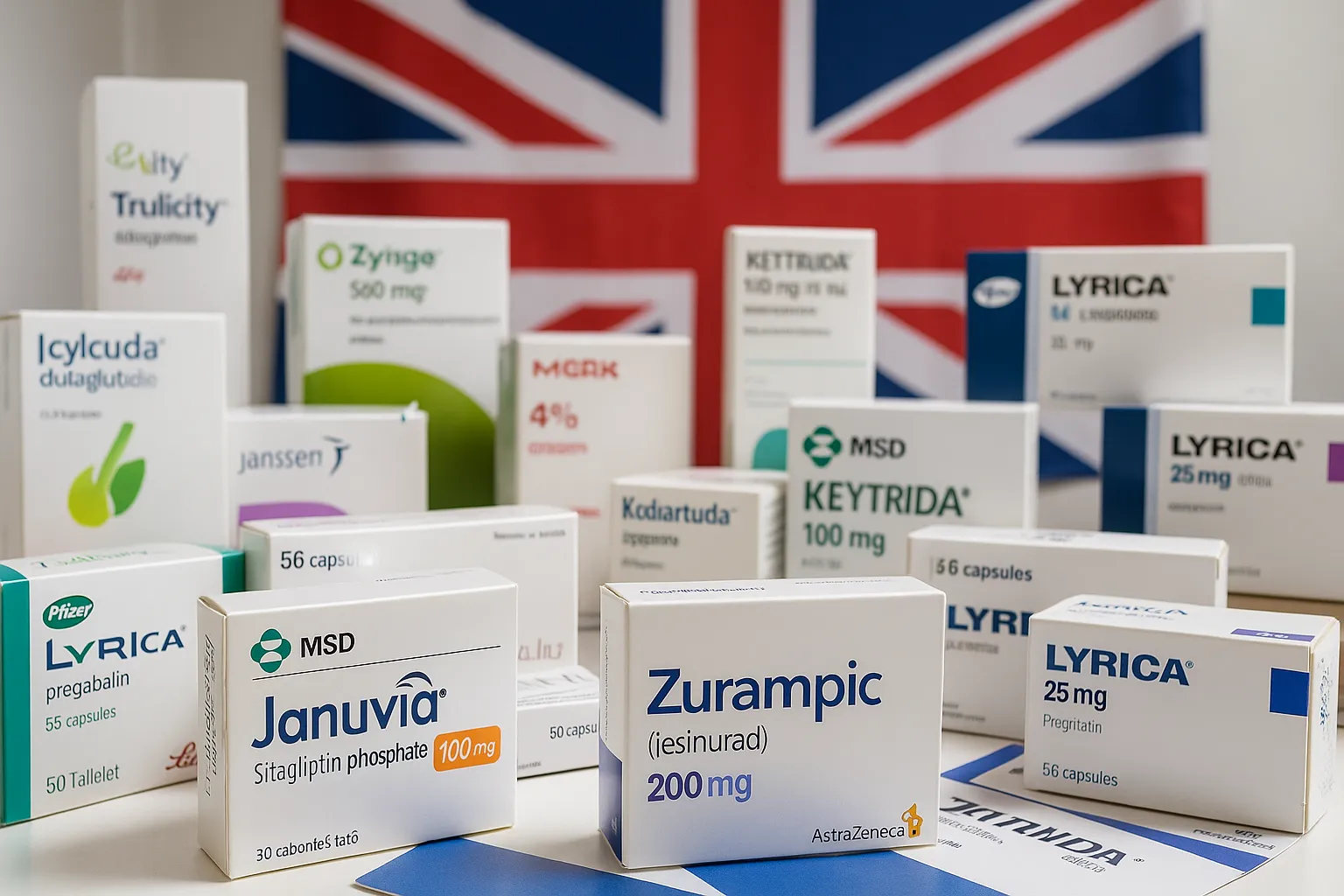
Concerns are mounting in the UK regarding a potential increase in drug prices that could significantly affect the National Health Service (NHS) and its patients. Reports indicate that Britain may be on the verge of agreeing to a 25% rise in costs for pharmaceuticals, a move that comes in response to threats from former US President Donald Trump and pressure from major pharmaceutical companies.
The NHS, known for its ability to negotiate lower prices for medications compared to the private sector in the United States, could see its budget stretched further if the proposed increase comes into effect. This, experts warn, could result in longer wait times for patients seeking treatment, as the financial strain from higher drug prices may necessitate cuts or reallocations within the health budget.
According to reports, the UK government is currently in advanced negotiations with US officials to sidestep the imposition of hefty tariffs on drug imports, which Trump has threatened if the NHS does not begin paying inflated prices. This situation raises critical questions about healthcare funding and access to vital medications.
Ed Wilson, a health economics professor at the University of Exeter, highlighted the implications of accepting new drug pricing structures. “When we agree to a new drug, we must offset that cost by reducing expenditure elsewhere, which ultimately disadvantages other patients,” he explained. This concept, referred to as the ‘opportunity cost,’ suggests that- by opting for more expensive treatments- existing patients may face delays or reduced services.
Dr. Dan Howdon, an associate professor in health economics at Leeds University, also pointed out that motivations for pushing through these price increases appear to be more about industry pressures than public health benefits. This sentiment reflects a growing unease among health professionals regarding the influence of pharmaceutical companies on NHS policies.
Just in the past year, several major pharmaceutical firms, including Merck, AstraZeneca, and Eli Lilly, have stalled investments in the UK totalling over £1.3 billion, a move that has raised significant alarm among health economists and industry observers. For instance, Merck abandoned plans for a £900 million research and development facility, while AstraZeneca delayed a £170 million investment in its Cambridge site. Eli Lilly has also reconsidered its commitment to establish a new lab in the UK, as it seeks further clarity on the regulatory environment for life sciences.
An anonymous source from the pharmaceutical sector discussing the negotiations claimed, “We have made enough noise, and the government has responded. This is the price you pay post-Trump to ensure that global pharmaceutical companies remain interested in operating within the UK.”
In the midst of these developments, advocacy groups such as Global Justice Now have accused pharmaceutical companies of behaving like a cartel. In an effort to maintain competitive pricing within the industry, they have called upon the UK’s Competition and Markets Authority for scrutiny.
A spokesperson for the UK government acknowledged that discussions are indeed ongoing with the US administration regarding pharmaceuticals. They emphasized the importance of the pharmaceutical sector for the NHS and the economy at large, stating, “We have committed to collaborating with the industry to foster growth in spending on innovative medicines compared to the past decade.”
The National Institute for Health and Care Excellence (NICE) plays a pivotal role in evaluating the value of new medications. The evaluation process assesses clinical and cost effectiveness and is underpinned by a framework known as quality-adjusted life years (QALYs). Currently, NICE views medications costing between £20,000 and £30,000 per additional QALY as a good investment for the NHS.
Altering this threshold, as suggested, may facilitate access to more costly drugs for NHS patients. However, it simultaneously risks escalating the overall expenditure of the health service. “Every decision to endorse a new treatment that is more expensive can lead to a net detriment in patient care,” Wilson cautioned.
Dr. Howdon added, “It is critical to recognize that the existing research does not support an increase in the cost-effectiveness threshold if the overarching goal is to enhance population health.”
Amidst these seismic shifts in pharmaceutical pricing and funding, former President Trump’s assertions about the UK benefiting from US drug development continue to resonate. He has signalled potential tariffs of up to 100% on pharmaceutical imports if countries do not agree to pay higher costs, a threat that further complicates an already tense negotiation landscape.
As the UK government works toward concluding a beneficial agreement concerning pharmaceutical pricing and trade, it remains crucial to ensure that the wellbeing of NHS patients is not compromised in the process. NICE has reiterated that any decisions about healthcare spending must align with broader health priorities, underscoring the urgent need for transparency and thoughtful deliberation in how these changes will impact the nation’s health services and patient access to essential drugs.


This is alarming for services already stretched to breaking point. Any significant rise in drug prices will squeeze NHS budgets further, forcing difficult choices between treatments and other essential services. Delays in patient care are likely to increase, with vulnerable groups most at risk. Paused investments are an added blow, reducing capacity for research and supply resilience. Negotiations must protect affordable access to medicines while minimising disruption to frontline care. Urgent contingency planning, clear communication with clinical teams, and prioritising medicines that deliver the greatest health benefit will be essential to limit harm.
If drug prices rise by that scale the pressure on NHS budgets will be immediate and severe. Services will face tougher prioritisation decisions, routine treatments may be delayed and the risk to timely patient care will increase. Paused investments and higher procurement costs will also hinder planning and workforce capacity. Policymakers must urgently seek mitigations that protect patients and preserve access while pursuing any necessary trade discussions.
This is deeply worrying for patient care and for services already stretched thin. A potential 25% rise in drug prices will force difficult choices about which treatments can be funded and is likely to delay access to medicines. Pausing over £1.3 billion of investment in the UK risks undermining supply resilience and long term innovation, which will make the system more vulnerable to shortages. Policymakers and health service leaders need to protect frontline care by seeking transparent negotiations, securing supply chains, and identifying targeted funding or procurement measures to prevent disruption to patient treatment.
If drug prices rise by that amount the impact on patient care will be immediate and serious. Budgets that are already stretched will be forced to prioritise medicines over other essential services which will cause delays and increased risk to patients. Pausing investments worth more than a billion pounds will also weaken future supply and innovation in the UK market, making the health service more vulnerable to shortages and price volatility. Negotiations should focus on securing fair pricing while protecting access to treatments and preserving long term investment in the NHS.