















Story Highlight
– Call 999 for emergencies in water.
– Avoid entering the water yourself.
– Provide floating objects for support.
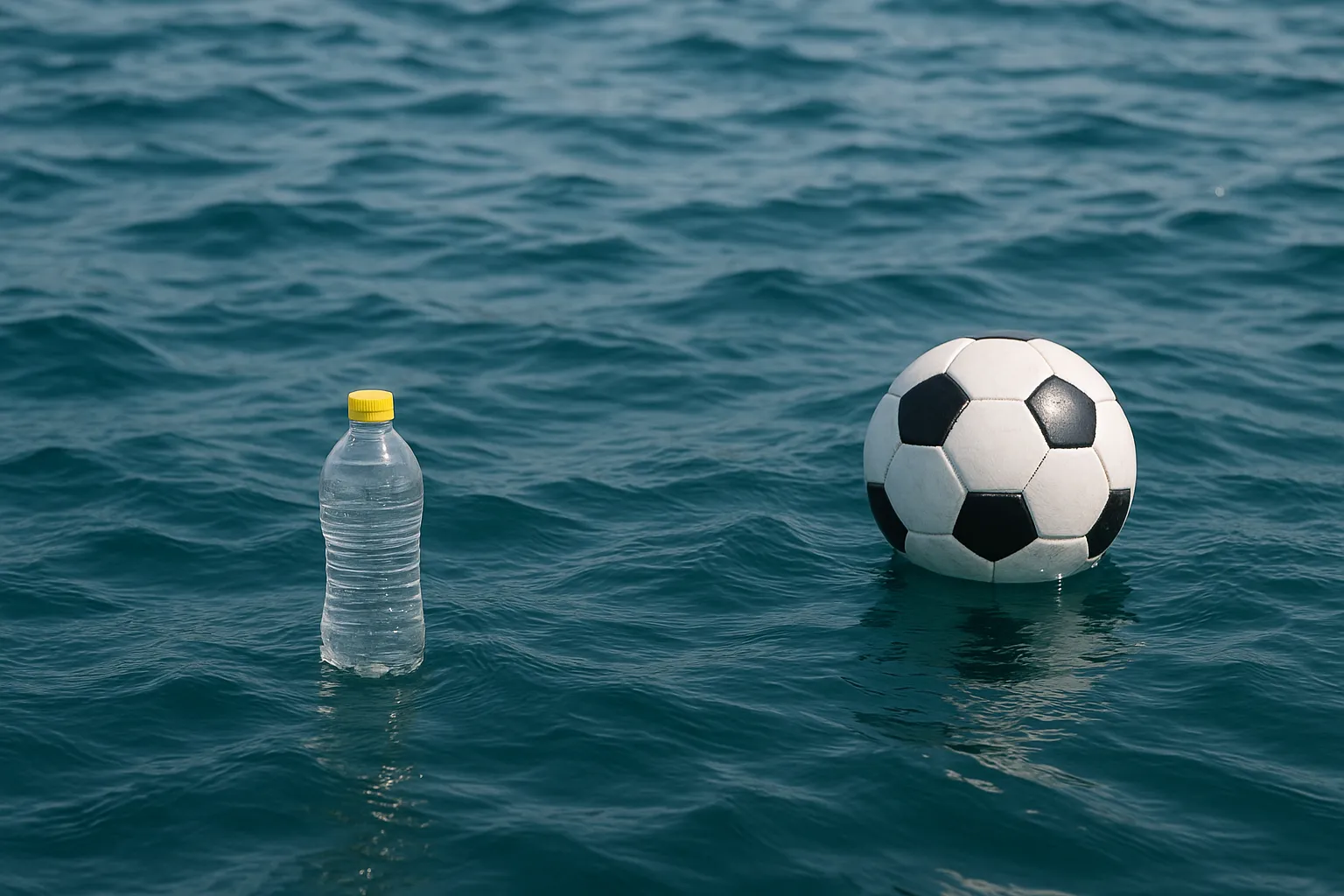
– Use items like bottles or footballs.
– Assist until help arrives.
Full Story
In the event of witnessing an individual in distress in water, it is crucial to take immediate action. The Royal Life Saving Society (RLSS) has provided essential guidance for handling such emergencies. Individuals are advised to call 999 without delay, seeking urgent assistance from emergency services. It is vital that bystanders refrain from entering the water, as their own safety must remain a priority.
Instead, those observing the situation should throw an object that can float, which may include items such as a plastic water bottle or a football. These can provide crucial support for the person in peril, enabling them to remain afloat as they await rescue. This straightforward yet effective approach can significantly contribute to the safety and well-being of someone struggling in water.
The RLSS emphasises the importance of remaining calm and collected in such emergencies. Knowing the appropriate steps to take can make a substantial difference in the outcome of the situation. By keeping both the rescuer and the person in need of help as safe as possible, the likelihood of a positive resolution increases.
Additionally, educational campaigns have been launched to ensure that the public understands the necessary protocols when faced with an aquatic emergency. These initiatives aim to raise awareness about water safety and the importance of maintaining a safe distance while providing support to those in need.
Experts in water safety advocate for public knowledge and preparation since accidents in or near water can occur swiftly and unexpectedly. Ensuring a ready response can ultimately save lives. Therefore, having the right information can empower bystanders to act effectively and responsibly when confronted with a potential drowning incident.
The RLSS continues to work towards promoting aquatic safety, collaborating with various organisations to disseminate knowledge and training across communities. This ongoing effort highlights the need for vigilance and preparedness regarding water activities, not just during peak seasons but throughout the year.
By understanding the correct procedures and remaining aware of one’s own limitations, individuals can assist effectively while waiting for professional help to arrive. The emphasis on throwing floatation devices rather than attempting a rescue by swimming showcases a more effective strategy that prioritises safety for both parties involved.
Our Thoughts
The article emphasizes vital actions to take during a water emergency but does not highlight specific incidents or breaches of regulations. However, it implies that a lack of proper knowledge and adherence to safety protocols can lead to dangerous situations. Key safety lessons include the importance of public education on emergency response, which could reduce panic and increase effective assistance in such scenarios.
Relevant UK health and safety legislation, such as the Health and Safety at Work Act 1974, mandates the provision of information and training to ensure that individuals can respond appropriately in emergencies. To prevent similar incidents, organizations should implement community safety programs that educate the public about water safety and emergency response guidelines.
Additionally, local swimming pools or bodies of water should have clearly displayed safety information and ensure adequate lifeguard presence to manage risks effectively. Regular training and drills for the public on emergency response can further enhance safety and preparedness in aquatic environments.