
















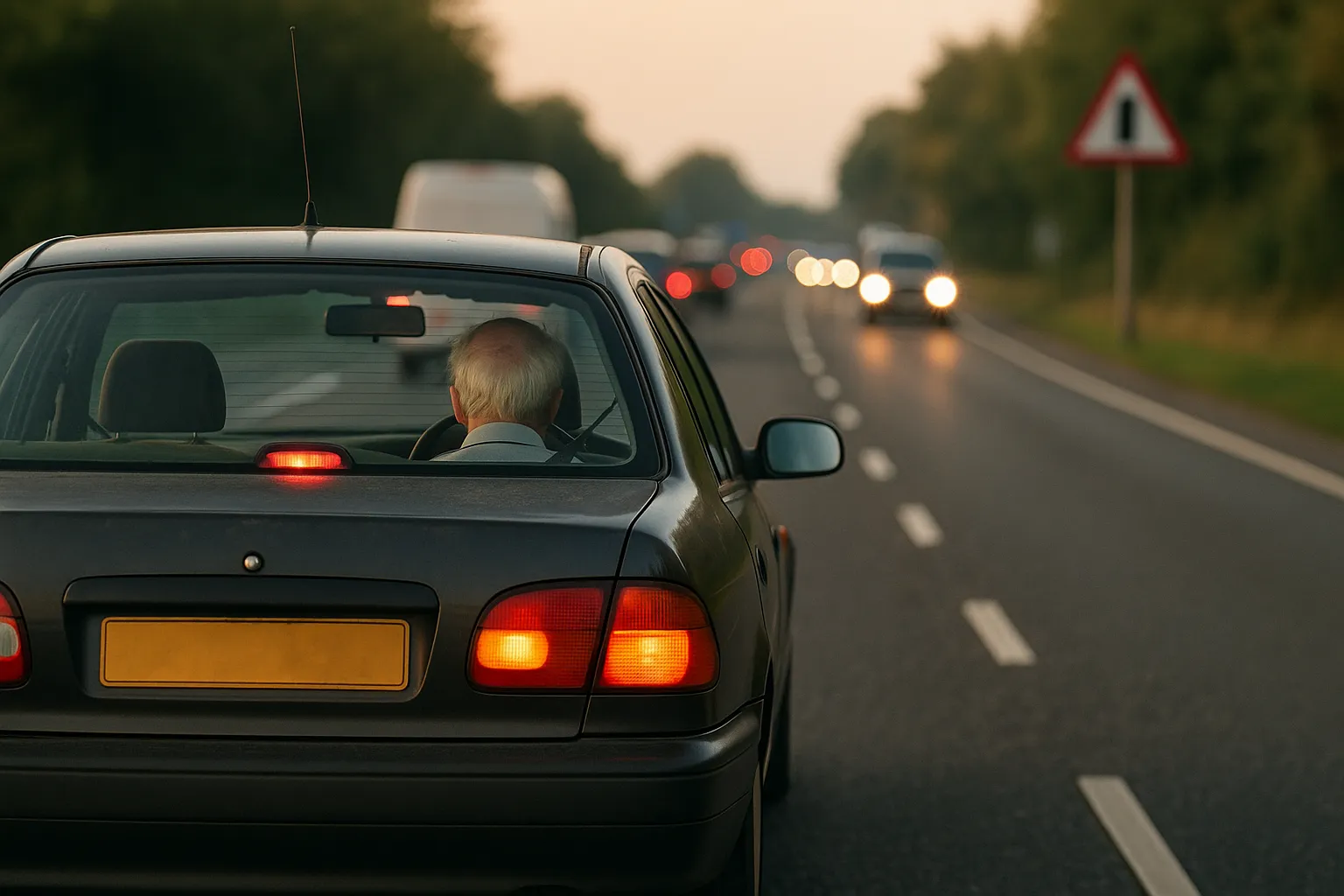
Story Highlight
– Increased older drivers reach 6.3 million in the UK.
– Cataracts threaten safe driving among older adults.
– Hospital admissions for cataract surgery rising significantly.
– Regular eye checks crucial for older drivers’ safety.
– Early detection of cataracts aids safe driving longevity.
Full Story
As Britain witnesses a surge in the number of older drivers, eye health professionals are raising alerts regarding the implications for road safety associated with age-related vision issues, particularly cataracts. The latest statistics reveal that approximately 6.3 million drivers aged over 70 are currently licensed in the UK, marking a historic peak. This demographic shift underscores the urgent need to ensure that visual acuity among this group remains robust.
Cataracts, a prevalent condition among older adults, can significantly impair vision by causing blurriness, cloudiness, and increased sensitivity to glare. As part of June’s Cataract Awareness Month, Optegra Eye Clinic in Sheffield has highlighted the critical impact of cataracts on essential driving skills such as glare sensitivity, contrast, depth perception, and reaction times. These factors are crucial for safe driving, and deterioration in any of them could pose risks not only to the driver but also to fellow road users.
Research indicates that nearly half of all individuals over the age of 60 in the UK experience cataracts, a noticeable concern given that the number of licensed drivers over 70 has soared by approximately 60% from 2012 to 2025. This growing trend raises questions regarding the safety of roads, as aging drivers may unknowingly navigate with compromised vision.
Professor Clare O’Donnell, who leads Optometry and Eye Sciences research at Optegra, emphasized the slow progression of cataracts, stating: “Cataracts develop gradually over time, therefore many people don’t immediately notice how much their vision has changed.” Many older adults may adapt their driving habits in response to declining eyesight, such as avoiding driving at night or struggling with bright headlights, often dismissing these changes as a normal part of aging without realising that cataracts could be to blame.
The importance of regular eye examinations becomes increasingly pronounced with age. Notably, cataract surgery has become one of the most common procedures among the elderly. Recent public health data reveals that hospital admissions for initial cataract surgeries in individuals aged 65 and older in England surged from around 181,000 in 2013/14 to over 330,000 anticipated in 2024/25. This rise reflects a combination of an aging population and increased awareness about the treatability of cataracts.
Driving remains a vital source of independence and mobility for many seniors; however, the natural decline in vision associated with aging introduces significant challenges to road safety. Professor O’Donnell noted, “Many people assume changes to their vision are simply part of getting older, but there are risks to ignoring this.” She advocates for proactive measures, urging that cataracts are indeed treatable through quick and pain-free procedures available via the NHS or privately.
As a community, shared responsibility toward the vision health of elderly family members is essential. Professor O’Donnell urges families to check whether older relatives who still drive have had recent eye examinations. “These regular eyesight tests—recommended every two years—not only help ensure drivers meet vision standards but also play a vital role in helping to detect cataract and other eye diseases at an early stage,” she added.
Finding solutions to improve road safety for older drivers who are developing cataracts includes encouraging regular eye health checks. Early diagnosis and treatment of cataracts can facilitate continued safe driving for longer periods, maintaining independence for seniors.
The implications of untreated cataracts extend beyond the individual; they carry broader societal ramifications. As the number of elderly drivers increases, maintaining road safety becomes an issue not only for these individuals but for all who share the roads. Thus, the need for this healthcare messaging is crucial at a time when the demographic landscape of drivers is shifting.
As the population continues to age, the trend indicates that eye health and driving will remain intertwined issues. Increased awareness and improved access to eye care can empower elderly individuals to address potential vision problems before they compromise driving safety.
In conclusion, addressing cataract-related vision problems and ensuring seniors undergo regular eye check-ups is vital. As Professor O’Donnell pointed out, “Importantly, early detection of cataract helps older drivers stay on the road safely, for longer.” The calls from eye health specialists echo the urgency of a proactive approach in safeguarding the well-being of older drivers, ensuring they can navigate the highways safely and remain a vital part of the community.
Our Thoughts
To address the concerns raised in the article regarding older drivers and cataracts, several key actions and regulations could have been implemented to enhance road safety. Firstly, stricter adherence to the Health and Safety at Work Act 1974 could make it mandatory for older drivers to undergo regular eye examinations, ensuring they meet the required visual standards for driving and preventing potential accidents caused by impairments.
Additionally, education campaigns could be initiated to inform older drivers about the significance of proactive vision checks, emphasizing the importance of recognizing symptoms of cataracts early. The Road Traffic Act 1988 stipulates that all drivers must have proper control of their vehicle, which is compromised with deteriorating eyesight. Therefore, fostering a culture where family members regularly check on their older relatives’ eye health can reinforce this requirement.
Implementing routine vision screenings universally, perhaps every two years as recommended, would not only support compliance with the regulations but also contribute to safer roads by reducing risks associated with age-related vision decline. These preventive measures can significantly mitigate similar incidents in the future.