















Story Highlight
– Twelve people, including children, have died in open water.
– UK health alert in effect due to heatwave risks.
– Cold water shock poses drowning risk, even for swimmers.
– Inland water temperatures remain dangerously low at 16C.
– RNLI advises floating to live if in distress.
Full Story
Temperatures across large parts of the United Kingdom have soared to unprecedented levels, leading to a tragic series of incidents in open waters that have resulted in the deaths of twelve individuals, including several children. This concerning trend coincides with a continuing heatwave that has prompted a yellow health alert from the UK Health Security Agency (UKHSA), particularly affecting eastern and South East England along with London. This warning is set to remain in effect until the evening of Saturday.
With the rising temperature, officials are anticipating a spike in water-related emergencies, prompting heightened awareness around the dangers associated with open water activities. The UKHSA has issued a statement reminding the public of the persistent risks of cold water shock and the potential for drowning, a serious hazard especially when the air temperature may feel deceptively warm.
Cold water shock is described by the National Fire Chiefs Council (NFCC) as a critical reaction that occurs when an individual is suddenly immersed in frigid water. The body’s involuntary response can be extremely hazardous, potentially leading to drowning. The NFCC has reiterated that any entry into cold water, whether by accident or deliberate jump, poses risks, particularly for those who may perceive themselves as confident swimmers.
Upon experiencing cold water shock, individuals often undergo immediate physiological responses, including gasping and rapid breathing, which can escalate into panic, resulting in a diminished swimming capability. According to the National Water Safety Forum (NWSF), this initial panic may also cause a significant increase in heart rates and blood pressure, potentially setting the stage for heart attacks, even in those who are otherwise healthy.
In terms of water temperature in the UK, many inland bodies of water typically maintain temperatures at or below 16°C throughout the summer months. This chilling reality is deemed dangerous by experts who assert that any such temperature can trigger cold water shock. Even during periods of intense heat, water temperatures can remain surprisingly frigid, with average sea temperatures around the UK and Ireland hovering around 12°C, while rivers can be even colder. Professor Mike Tipton, a leading authority at the NWSF, has explained that water in various locations takes considerable time to warm up. For instance, sea temperatures surrounding the UK typically reach their peak warmth only in late August or early September.
In light of these concerning statistics and incidents, the RNLI (Royal National Lifeboat Institution) has issued important safety recommendations. Their campaign emphasises the life-saving technique of “floating to live,” which has proven effective in rescuing more than fifty individuals across diverse situations—from children caught in rip currents to adults who have accidentally fallen into canals or were swept away by waves.
RNLI guidance highlights the basic steps involved in floating:
1. Tilt your head back so that your ears are submerged.
2. Relax and maintain controlled breathing.
3. Move your limbs gently to help you stay afloat if necessary.
4. It’s normal for legs to sink; floating varies between individuals.
5. Once comfortable and breathing steadily, call for assistance or swim towards safety.
Additionally, it’s recommended to practise floating techniques in safe environments, such as supervised swimming pools, to build familiarity and confidence.
To further enhance water safety awareness, the NWSF, in partnership with the “Respect The Water” initiative, has launched the “Phone Float Throw” campaign. This initiative provides clear, actionable instructions for bystanders who might witness someone in distress in the water, ensuring they can offer help without putting themselves at risk.
The campaign outlines several key points for bystanders:
– Call emergency services by dialling 999.
– Encourage the person in the water to stay calm and attempt to float on their back.
– If safe to do so, throw any helpful items to assist the individual in staying afloat until professional help arrives.
This rise in open water tragedies serves as a sobering reminder of the latent dangers that remain amid warm weather. As the nation continues to experience this heatwave, it is vital for individuals and families to remain vigilant, prioritising safety when engaging in water activities. With the added guidance from safety organisations, there is hope that the public will be better equipped to manage the risks associated with cold water environments.
As the UK navigates through this summer’s record-high temperatures, it remains paramount that everyone pays attention to water safety protocols, ensuring not only their own safety but also the safety of those around them.
Our Thoughts
To avoid the tragic incidents of drowning during the UK heatwave, several key measures should have been implemented. First, public awareness campaigns regarding the risks of cold water shock should have been intensified, particularly during heatwaves when more people are likely to seek relief in water. Adherence to the Health and Safety at Work Act 1974 requires that individuals are provided with sufficient information about potential hazards.
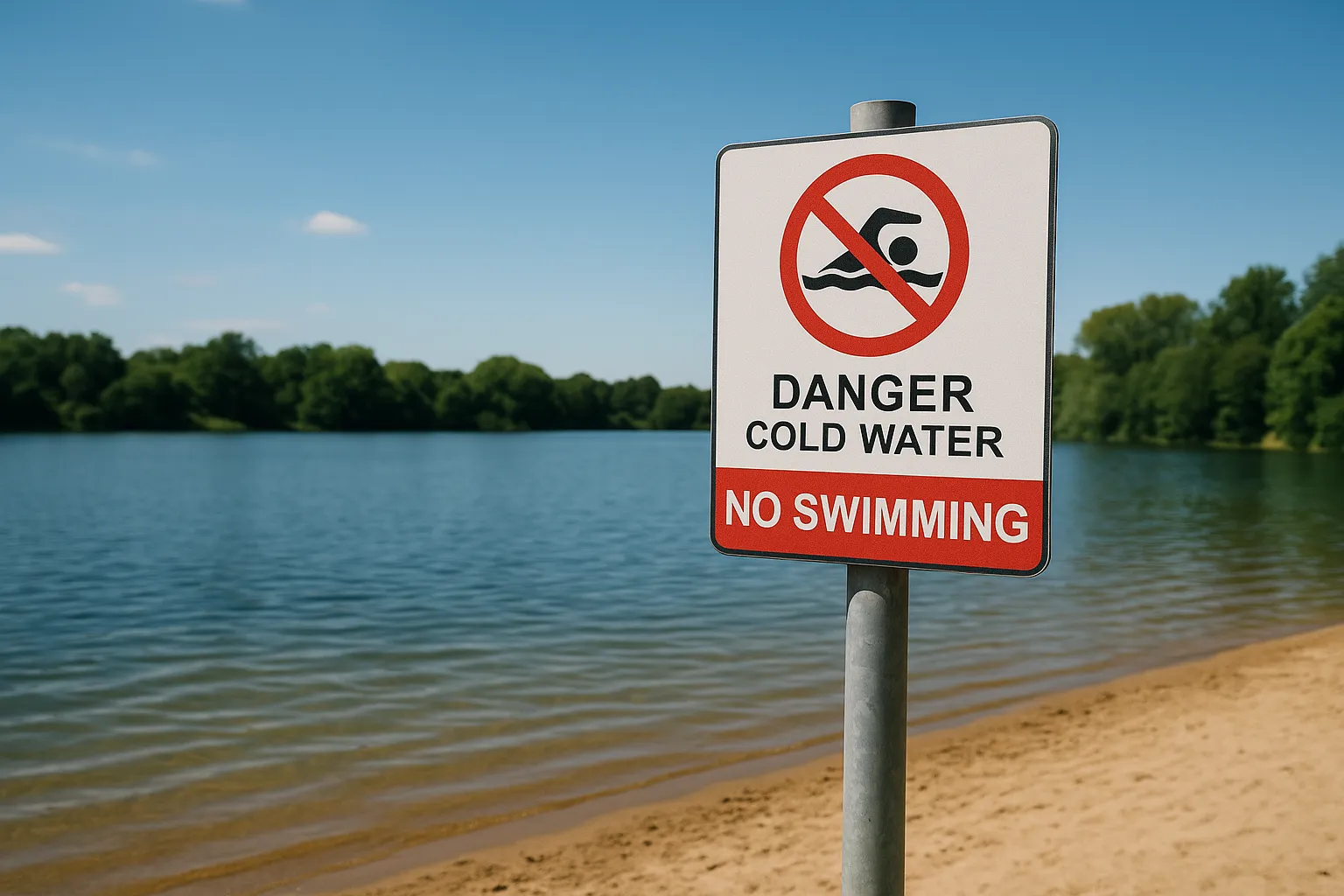
Local authorities could have also enforced better safety measures at popular swimming sites, such as clear signage warning of cold water risks, lifeguards presence, and the provision of rescue equipment. The absence of these safety regulations may represent breaches of the Management of Health and Safety at Work Regulations 1999, which stipulate that risks must be adequately assessed and mitigated.
Furthermore, training programs emphasizing water safety and proper responses to emergencies could have been more widely promoted, aligning with the recommendations from the National Water Safety Forum. Effective implementation of preventive measures and education could ensure that similar incidents are significantly reduced in the future.