

















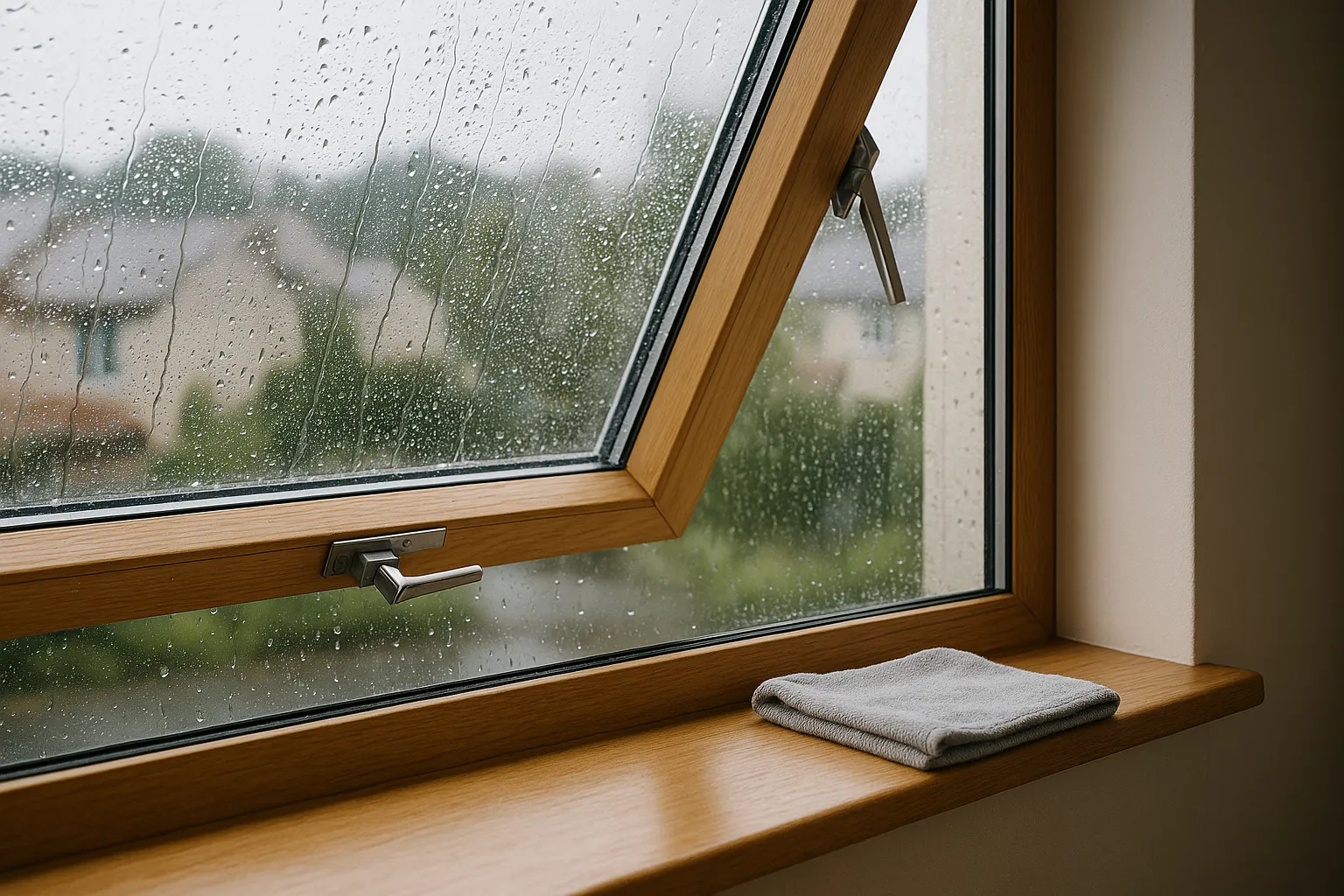
Story Highlight
– Indoor air can be more polluted than outdoor air.
– Humidity from rain promotes mould and allergens.
– Open windows briefly to refresh indoor air.
– Use ventilation systems if windows can’t be opened.
– Regular ventilation improves health and prevents odours.
Full Story
Indoor air quality often deteriorates significantly compared to the outdoor atmosphere, making it crucial to create a well-ventilated living space, particularly during wet weather. As humidity levels increase during rain, homes can become breeding grounds for mould, bacteria, and allergens. While common activities such as cooking, bathing, and even human respiration contribute moisture to the air, this can lead to an increase in condensation when there is insufficient airflow, causing water vapour to accumulate on surfaces like windows, walls, and ceilings.
A prevailing belief is that rainy weather produces heavy, damp outdoor air; however, this is not entirely accurate. After the initial chill, the air on rainy days can often become drier than the air trapped inside homes, especially when windows have been closed for prolonged periods. Thus, allowing fresh air to circulate—even during brief intervals—can significantly reduce humidity levels and eliminate stale odours prevalent in congested indoor environments.
When residential areas experience stormy weather, it is essential to approach ventilation with caution. Windows should remain closed during heavy rain, especially if accompanied by strong winds or lightning until conditions improve. Once it is safe, homeowners are advised to assess the wind’s direction and only open windows that do not face into the storm, thereby promoting a healthy exchange of air.
For optimal indoor air quality, cultivating a gentle cross-breeze is very effective. By opening windows on opposite sides of a house, residents can create a ventilation flow, which aids in expelling moist air without allowing water to infiltrate the home. If a few droplets do manage to enter, using towels or plastic sheets to shield floors and furniture can effectively mitigate any potential damage.
During intermittent showers, seizing opportunities presented by drier spells can also provide vital ventilation. Opening roof windows or skylights for brief periods can dramatically refresh air circulation throughout a room, benefitting both air quality and overall comfort.
Personal experiences shared by many homeowners, including those who emphasise the importance of ventilation in key areas such as kitchens and bathrooms, reveal tangible benefits. Post-rain ventilation strategies can prevent mirrors from fogging and eliminate the occurrence of unpleasant damp odours.
There are also circumstances when the weather simply does not permit opening windows. In these cases, maintaining fresh indoor air becomes a matter of utilising temperature control alongside modern ventilation technology. If indoor temperatures considerably exceed those outside, condensation will likely form on glass surfaces. Hence, slightly lowering heating levels can prevent excess moisture from settling indoors.
Utilising an effective mechanical ventilation system or extractor fans can serve as a practical alternative to natural ventilation. These systems, when well-maintained, are particularly useful in spaces prone to humidity, such as bathrooms and kitchens. Regular servicing is crucial, as blocked filters are a common issue that can impair their effectiveness.
Additionally, for households grappling with persistent humidity—especially during colder months—a dehumidifier can prove beneficial. While this device cannot replicate the refreshing experience gained from outdoor air, it can successfully eliminate excess moisture and help protect interiors from damp-related issues.
Despite the advantages of technological solutions, it is widely acknowledged that nothing can truly compare to the invigorating qualities of fresh air. Even during inclement weather, allowing a brief period of window opening can yield marked improvements in both the ambience of a home and the well-being of its residents.
In conclusion, rainy days do not necessitate the sealing of windows and doors; rather, they present an opportune moment to rejuvenate indoor air quality. The practice of effective ventilation effectively removes pollutants, achieves a balance of humidity, and curtails the growth of both mould and musty odours. This simple yet essential habit enhances health, preserves property integrity, and elevates the tranquillity of everyday life. Incorporating these small, regular actions into one’s routine is a sustainable approach to ensuring a pleasant and healthy living environment throughout the year.
Our Thoughts
The article highlights issues related to indoor air quality and humidity management during rainy weather, pointing to potential health risks from mould and allergens. To prevent these issues, adherence to the UK Health and Safety at Work Act 1974 and the Management of Health and Safety at Work Regulations 1999 is essential.
Improved ventilation practices should be implemented, such as incorporating mechanical ventilation systems and regular maintenance of extractor fans to mitigate humidity levels. Furthermore, educating homeowners about the importance of cross-ventilation—even during rain—could substantially reduce dampness and improve indoor air quality.
Key safety lessons include the necessity of consistent air exchange to prevent mould growth and associated health risks. Failure to adequately ventilate living spaces could breach regulations concerning health and safety management, leading to increased risks of respiratory issues among occupants.
To prevent similar incidents, regular inspections and awareness campaigns promoting indoor air quality measures should be established, ensuring that residents understand the implications of humidity and ventilation in maintaining a safe and healthy environment.