














Choose an AI chat
UK Athletics faces fine after Paralympian's fatal accident
UK Health and Safety Latest

UK Athletics faces fine after Paralympian’s fatal accident

by Michael Harland
June 1, 2026
0

UK Athletics faces significant penalties following the tragic death of Paralympian Abdullah Hayayei, who was killed by a collapsing throwing...

Read moreDetails
French and British forces intercept sanctioned Russian oil tanker in international waters

French and British forces intercept sanctioned Russian oil tanker in international waters

June 1, 2026
Hydrachem urges action on global water safety ahead of World Environment Day

Hydrachem urges action on global water safety ahead of World Environment Day

June 1, 2026
Google Custom Search requires user consent to activate features

Google Custom Search requires user consent to activate features

June 1, 2026
UK schools consider legal action as US district wins against social media giants

UK schools consider legal action as US district wins against social media giants

June 1, 2026

Archives

  • June 2026
  • May 2026
  • April 2026
  • March 2026
  • February 2026
  • January 2026
  • December 2025
  • November 2025
  • October 2025
  • September 2025
  • July 2025
  • August 2009

Categories

  • Health and Safety Help
  • News
  • Policies
  • UK Health and Safety Latest
  • About
  • Advertise
  • Policies
    • Privacy Policy
    • Editorial Policy
    • Corrections & Complaints policy
  • Useful Documents
    • Understanding RIDDOR
    • 10 Workplace Safety Failures
    • A Complete Guide to Reporting Safety Incidents in the UK
    • Fire Risk Assessment: Meeting the Regulatory Reform (Fire Safety) Order
    • COSHH Basics: A Practical Guide to Control of Substances Hazardous to Health
    • Working at Height in the UK: The Essentials (WAH Regulations 2005)
    • Asbestos in the Workplace: Control of Asbestos Regulations 2012 (CAR) Essentials
    • Managing Contractors Under CDM 2015: Roles, Duties & Controls
    • DSE & Ergonomics: Healthy Workstations for Office & Hybrid Teams
    • Lock out Tag out LOTO
    • Workplace Transport Safety: Forklifts, Pedestrians & Traffic Management
    • Noise & Vibration at Work: Practical Controls (2005 Regulations)
    • Confined Spaces in the UK: Safe Entry under the Confined Spaces Regulations 1997
  • Contact
  • Agent
Tuesday, June 2, 2026
19 °c
London
16 ° Mon
16 ° Tue
15 ° Wed
  • Login
UK Safety News
  • Home
  • News
    • All
    • UK Health and Safety Latest
    UK Athletics faces fine after Paralympian's fatal accident

    UK Athletics faces fine after Paralympian’s fatal accident

    French and British forces intercept sanctioned Russian oil tanker in international waters

    French and British forces intercept sanctioned Russian oil tanker in international waters

    Hydrachem urges action on global water safety ahead of World Environment Day

    Hydrachem urges action on global water safety ahead of World Environment Day

    Google Custom Search requires user consent to activate features

    Google Custom Search requires user consent to activate features

    UK schools consider legal action as US district wins against social media giants

    UK schools consider legal action as US district wins against social media giants

    Women in Scotland demand review as health minister role is scrapped

    Women in Scotland demand review as health minister role is scrapped

    Rubbish collection could be at risk due to overweight bins

    Rubbish collection could be at risk due to overweight bins

    Cooler temperatures ahead as UK faces aftermath of record-breaking heatwave

    Cooler temperatures ahead as UK faces aftermath of record-breaking heatwave

    Brighton prepares for fan zone amid community concerns

    Brighton prepares for fan zone amid community concerns

    Central Park transforms Brighton beach into World Cup fan zone amid resident concerns

    Central Park transforms Brighton beach into World Cup fan zone amid resident concerns

    Trending Tags

    • Donald Trump
    • Future of News
    • Climate Change
    • Market Stories
    • Election Results
    • Flat Earth
No Result
View All Result
UK Safety News
No Result
View All Result
Home News UK Health and Safety Latest

Many unaware of caffeine content in daily drinks

Jade Anderson by Jade Anderson
April 13, 2026
in UK Health and Safety Latest
Reading Time: 4 mins read
0
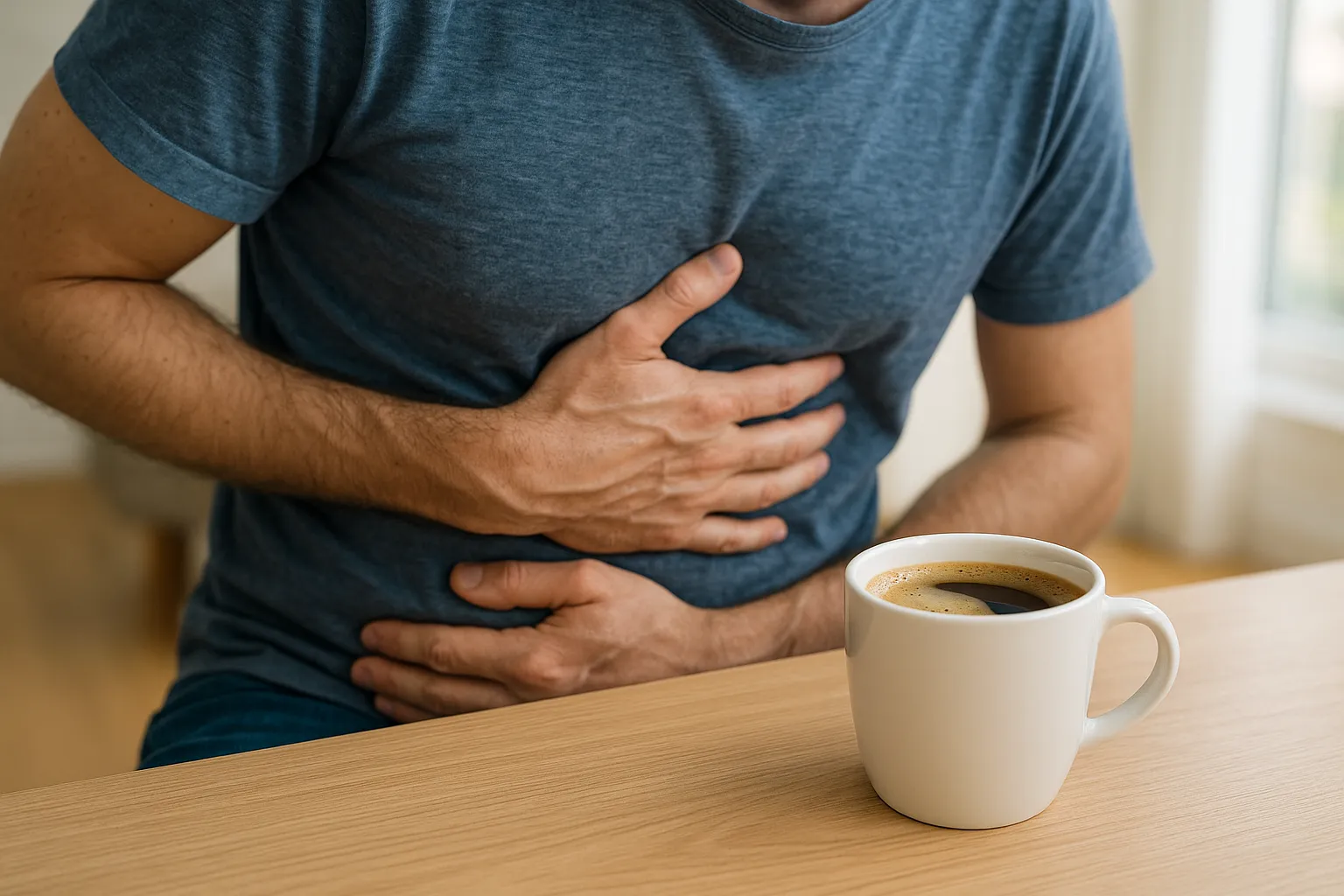
Many unaware of caffeine content in daily drinks

Story Highlight

– Many consumers underestimate daily caffeine intake.
– Large coffee can contain up to 370mg caffeine.
– Over 40% unaware caffeine in common products.
– Pregnant women advised to limit to 200mg daily.
– Symptoms of excess include anxiety and insomnia.

Full Story

Caffeine Consumption: Understanding Limits and Hidden Sources

Caffeine, a naturally occurring stimulant, can be found in various everyday beverages and products, yet many individuals are often unaware of the true quantity of caffeine they consume. Recent findings indicate that this lack of knowledge may lead many to inadvertently exceed the recommended daily intake of caffeine.

As per guidelines from the NHS and the Food Standards Agency, the general recommendation for healthy adults is a maximum intake of 400mg of caffeine per day. Interestingly, this threshold is reduced to 200mg for pregnant women, who are advised to monitor their consumption carefully to avoid potential risks to the developing fetus.

However, a single large coffee from a popular high-street café can contain nearly 370mg of caffeine. Such figures highlight the ease with which caffeine consumption can escalate without one’s awareness. New research from Northerner reveals that approximately two-thirds of individuals do not know the caffeine content of their daily beverages, and only 28% of respondents stated they were aware of their caffeine intake.

Markus Lindblad, Head of Legal and External Affairs at Northerner, stated: “Our research shows there is very little awareness amongst UK consumers about how much caffeine they are consuming or how much might be too much.” This lack of understanding poses a health concern, particularly since caffeine can be found in various unexpected products.

According to the European Food Safety Authority, an intake of up to 400mg of caffeine throughout the day is generally considered safe for healthy adults. This amount correlates to roughly four cups of instant coffee or five cups of tea. However, consumers should be cautious, as caffeine can accumulate from multiple sources, including pain relief products like paracetamol, fizzy drinks, and even decaffeinated beverages, a fact that over 40% of the UK population reportedly does not recognise.

It’s essential to note that while home-brewed beverages, such as tea and instant coffee, typically contain lower caffeine levels, drinks from cafés often pack a more significant punch. For instance, a large cappuccino from a high-street coffee outlet may contain up to the full daily limit of caffeine in just one serving.

Consumers should take proactive steps to monitor their caffeine intake. The caffeine content for fizzy drinks, tea bags, instant coffee, and other store-bought items is usually specified on the nutrition label. However, when it comes to high-street coffee shops, patrons may need to inquire with staff or check the respective website for nutritional guides. An alternative option for those keen to regulate their caffeine consumption is the use of caffeine pouches, which offer clear labelling and precise caffeine measurements, enabling users to track their intake effectively.

Caffeine is prevalent in many everyday items, including coffee (ranging from 100 to 140mg per mug), tea (approximately 75mg per mug), energy drinks (around 80mg per 250ml), soft drinks (about 40mg per can), and even chocolate, making it crucial for consumers to be aware of their consumption habits.

While 400mg is deemed a safe limit, individuals may experience heightened sensitivity to caffeine. In cases of excessive consumption, even if one remains within this threshold, the NHS suggests reducing intake if symptoms such as restlessness, anxiety, insomnia, heart palpitations, stomach upset, or headaches occur. It is particularly advisable to avoid caffeine at least eight hours before sleep to promote better rest.

For those looking to cut back on caffeine, gradual reduction is the recommended approach. Abrupt cessation, often referred to as “going cold turkey,” can result in withdrawal symptoms. These may include irritability, fatigue, and severe headaches, which can discourage individuals from successfully managing their caffeine intake.

This discussion surrounding caffeine consumption underscores the importance of public awareness regarding dietary habits. As the prevalence of caffeine in various products continues to rise, consumers must educate themselves about their consumption patterns to maintain a healthy lifestyle.

In conclusion, while caffeine can provide a much-needed boost for many, being informed about its sources and potential effects is paramount. As we navigate our day-to-day routines, knowledge about caffeine content in consumed products can help prevent unintentional overconsumption and support better health choices.

Our Thoughts

The article highlights significant gaps in consumer awareness regarding caffeine intake, leading to potential health risks. To mitigate such incidents, clearer labeling and transparency are essential. UK legislation, such as the Food Labelling Regulations 1996, mandates that food and drink products disclose ingredients and nutritional information; this should be rigorously enforced for all beverages, especially in high-street coffee shops where caffeine content can vary drastically.

Key safety lessons include the importance of consumer education on the effects of caffeine, particularly among vulnerable groups like pregnant women. Establishing standard practices for disclosing caffeine levels in café products could alleviate risks and help consumers make informed choices.

Additionally, the guidance from the NHS regarding safe caffeine limits should be more prominently displayed in all coffee shops, possibly through signage or takeaway menus. Training for staff on caffeine content could empower them to better inform customers. Regular audits could ensure compliance with existing regulations and promote public safety by preventing similar incidents linked to caffeine overconsumption.

SummarizeShare34Share196SendSend
ADVERTISEMENT
Jade Anderson

Jade Anderson

Related Posts

Amazon removes necklace over cancer-causing chemical concerns

Amazon removes necklace over cancer-causing chemical concerns

by Tara Rowden
December 15, 2025
0

Amazon has swiftly removed a heart necklace from its platform after it was discovered to contain dangerously high levels of...

Women workers demand better-fitting personal protective equipment

Women workers demand better-fitting personal protective equipment

by Tara Rowden
December 30, 2025
0

A recent survey by the GMB union reveals widespread dissatisfaction among women in various sectors regarding personal protective equipment (PPE),...

Useful Documents

  • Understanding RIDDOR
  • 10 Workplace Safety Failures
  • A Complete Guide to Reporting Safety Incidents in the UK
  • Understanding RIDDOR
  • Fire Risk Assessment: Meeting the Regulatory Reform (Fire Safety) Order
  • COSHH Basics: A Practical Guide to Control of Substances Hazardous to Health
  • Working at Height in the UK: The Essentials (WAH Regulations 2005)
  • Lock out Tag out LOTO

Recent Posts

  • UK Athletics faces fine after Paralympian’s fatal accident
  • French and British forces intercept sanctioned Russian oil tanker in international waters
  • Hydrachem urges action on global water safety ahead of World Environment Day
  • Google Custom Search requires user consent to activate features
  • UK schools consider legal action as US district wins against social media giants

Recent Comments

  1. Piper Douglas on Worker dies due to inadequate machinery safety measures
  2. Natalie Coleman on New housing laws aim to tackle damp and mould crisis in England
  3. Simon Barrett on Honeymoon ruined by illness as newlywed suffers severe infection in Cape Verde
  4. Nolan Barrett on Work-related ill health in Great Britain remains a concern after pandemic peak
  5. Dylan Reeves on Sickness rates among Scottish police officers soar to troubling levels
UK Safety News

Copyright © 2026
UK Safety News

Navigate Site

  • About
  • Advertise
  • Policies
  • Useful Documents
  • Contact
  • Agent

Follow Us

Welcome Back!

Login to your account below

Forgotten Password?

Retrieve your password

Please enter your username or email address to reset your password.

Log In
No Result
View All Result
  • Home
  • News

Copyright © 2026
UK Safety News

This website uses cookies. By continuing to use this website you are giving consent to cookies being used. Visit our Privacy and Cookie Policy.