













Story Highlight
– MP launches campaign for open discussions about sex.
– Debate on lifelong sex education scheduled in House of Commons.
– Focus on consent, respect, and healthy relationships education.
– Campaign aims to eliminate shame around discussing sex.
– Collaboration with MakeLoveNotPorn to promote healthy sexuality.
Full Story
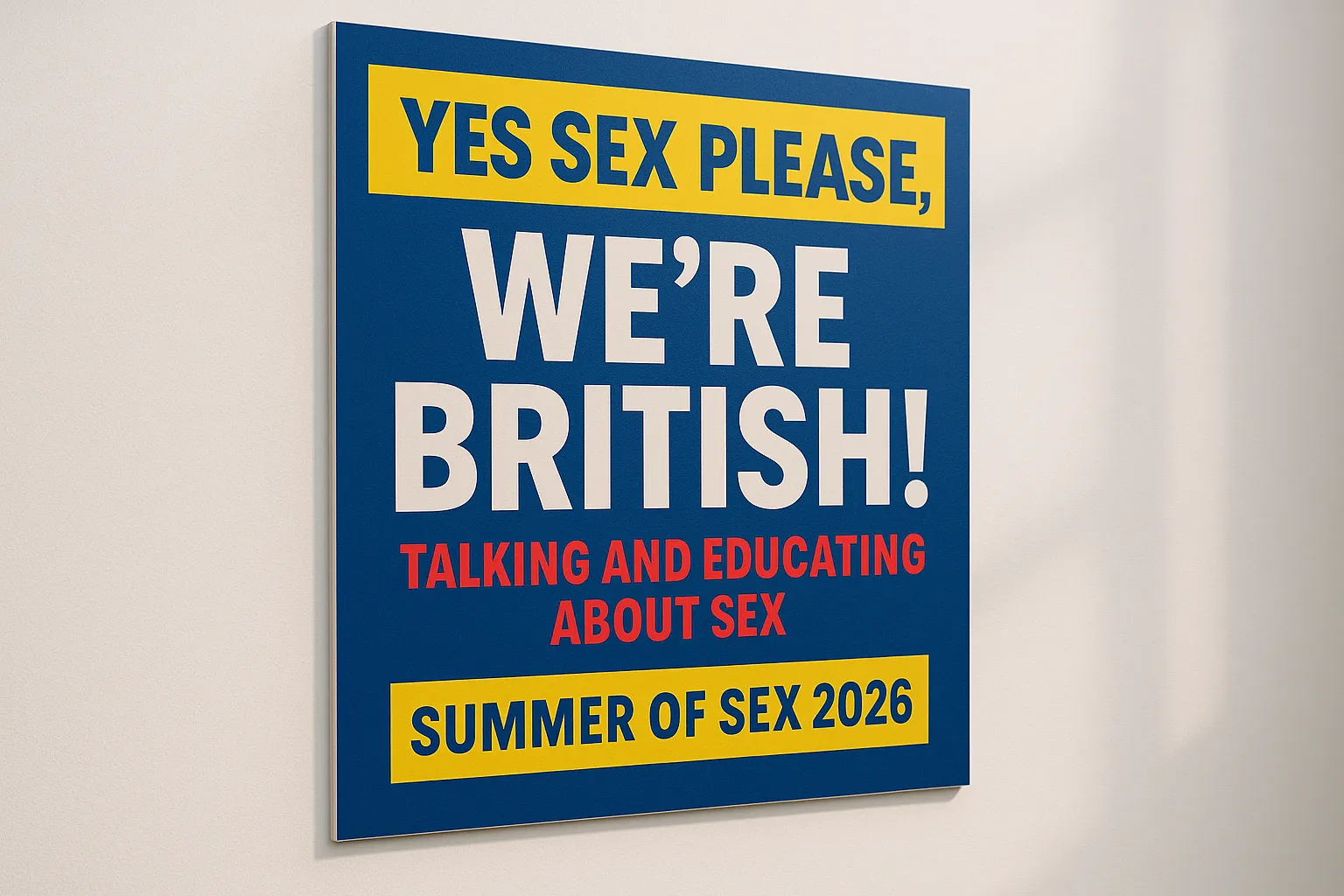
A Member of Parliament from Derbyshire is spearheading an initiative aimed at fostering open and healthy discussions about sexuality, dubbing the forthcoming period as the ‘summer of sex’ in 2026. Samantha Niblett, who has represented South Derbyshire since 2024, has arranged for a debate in the House of Commons on the importance of lifelong sex education, set to take place in early autumn.
Ahead of the debate, Niblett is collaborating with Cindy Gallop, founder of MakeLoveNotPorn—a platform that provides an alternative to traditional pornography. Together, they are launching a campaign designed to encourage the nation to engage in meaningful conversations about sex. Their campaign is titled “Yes Sex Please, We’re British!” and aims to normalise discussions around sexual education and relationships across the United Kingdom.
The organisers of this campaign underline that comprehensive sex education is vital for fostering public health, promoting equality, and ensuring safety in relationships. Key themes of the campaign include the importance of understanding consent, respect, and healthy partnerships, which are deemed essential in preventing instances of abuse and violence. In addition, the campaign is set to focus on various life stages—such as childbirth, menopause, and issues like stress and erectile dysfunction—that can influence sexual satisfaction.
Samantha Niblett articulated that the current Labour government is committed to addressing violence against women and girls, alongside assisting boys and men who may be influenced by toxic online environments. She expressed the belief that while efforts to eliminate harmful online content are crucial, there is an equally pressing need for educational initiatives that celebrate the beauty and normalcy of healthy sexual relationships.
Niblett stated: “If we can’t talk about good sex, how can we expect people to talk about bad sex and help keep them safe? Sex is a significant part of most people’s lives – there should be no shame associated with it. I’m looking forward to everyone feeling empowered and comfortable to say, ‘Yes, sex please, we’re British!'”
The campaign aims to integrate inclusive sex education into the public health framework, ensuring that individuals of all ages and at different life stages can engage in candid discussions without fear of shame or embarrassment. As part of this initiative, members of the public are invited to contribute their thoughts by emailing education@yessexpleasewerebritish.com. Participants are encouraged to share personal experiences related to sex education, express their desires for improvements in this area, and highlight what they believe should be included in future educational efforts.
Gallop, reflecting on her collaboration with Niblett, stated: “I built MakeLoveNotPorn and MakeLoveNotPorn Academy to work together as a lifelong sex education learning ecosystem in response to requests from parents, teachers, and young people. The issue of porn as default sex education that I was the first person to publicly identify on the TED stage 17 years ago has only worsened over time, and expanded exponentially with the exploitative and criminal use of AI technology today.”
Gallop emphasised that there is a significant opportunity for Britain to lead the way in integrating open and healthy sexual education throughout society, potentially serving as a model for other nations facing similar challenges. As the nation stands on the brink of this transformative educational initiative, the response from communities and individuals will be pivotal in shaping the future of sexual education across the UK.
The campaign is set against a backdrop of ongoing discussions surrounding the relevance and adequacy of sexual education in schools. Many educators and parents have voiced concerns that current programs fail to meet the needs of modern society, particularly in the wake of increased exposure to sexual content online. As the debate approaches, the outcomes may well influence educational policies and practices for years to come.
The initiative is particularly timely, given the increasing recognition of the need for comprehensive sex education that encompasses a broader range of topics, from consent and emotional intelligence to the impact of social media on perceptions of relationships. By advocating for a nuanced understanding of sex that is relevant to today’s youth, Niblett’s campaign has the potential to reshape the landscape of sexual health education in Britain.
In an era where sexualised content is readily available, the push for a robust educational framework is more important than ever. The involvement of figures like Niblett and Gallop signals a welcomed shift towards addressing these critical issues with transparency and openness. The outcome of this campaign could pave the way for a generation that is not only informed but also empowered to engage in healthy and respectful sexual relationships.
As anticipation builds for the House of Commons debate, the collective input from the public is expected to play a crucial role in informing the conversation. As such, the campaign will not only challenge existing norms but might also catalyse significant cultural shifts in how sexuality is discussed in Britain today.
Our Thoughts
The campaign promotes lifelong sex education to tackle issues related to consent, respect, and healthy relationships, which are essential for public health and safety. To avoid negative outcomes related to sexual education and associated societal issues, implementing comprehensive, age-appropriate sex education aligned with the Health and Safety at Work Act 1974 is crucial. This promotes a safe learning environment that addresses emotional and psychological well-being.
Key safety lessons include the importance of creating safe spaces for open discussions about sex to prevent abuse and violence. By integrating such education into the public health system, potential breaches related to inadequate training or protection against harm could be mitigated. The absence of proper educational frameworks can lead to misunderstandings regarding consent and relationships, which could result in legal ramifications under the Sexual Offences Act 2003 if abuse occurs.
Encouraging ongoing dialogue and education about sexual health can further prevent incidents related to misinformation and stigma. Establishing clear guidance based on UK regulations could ensure that children and young adults receive the appropriate support and knowledge to navigate sexual health responsibly.