














Story Highlight
– New UK bans on nail gel ingredients begin in July.
– July 15: 4-MBC ban and formaldehyde warning labels initiated.
– August 15: TPO ban and Hexyl Salicylate limits enforced.
– Professionals must check products for compliance with regulations.
– Majority of salons use safe, compliant brands, experts say.
Full Story
New Regulations on Salon and Home Beauty Products Introduced Amid Safety Concerns
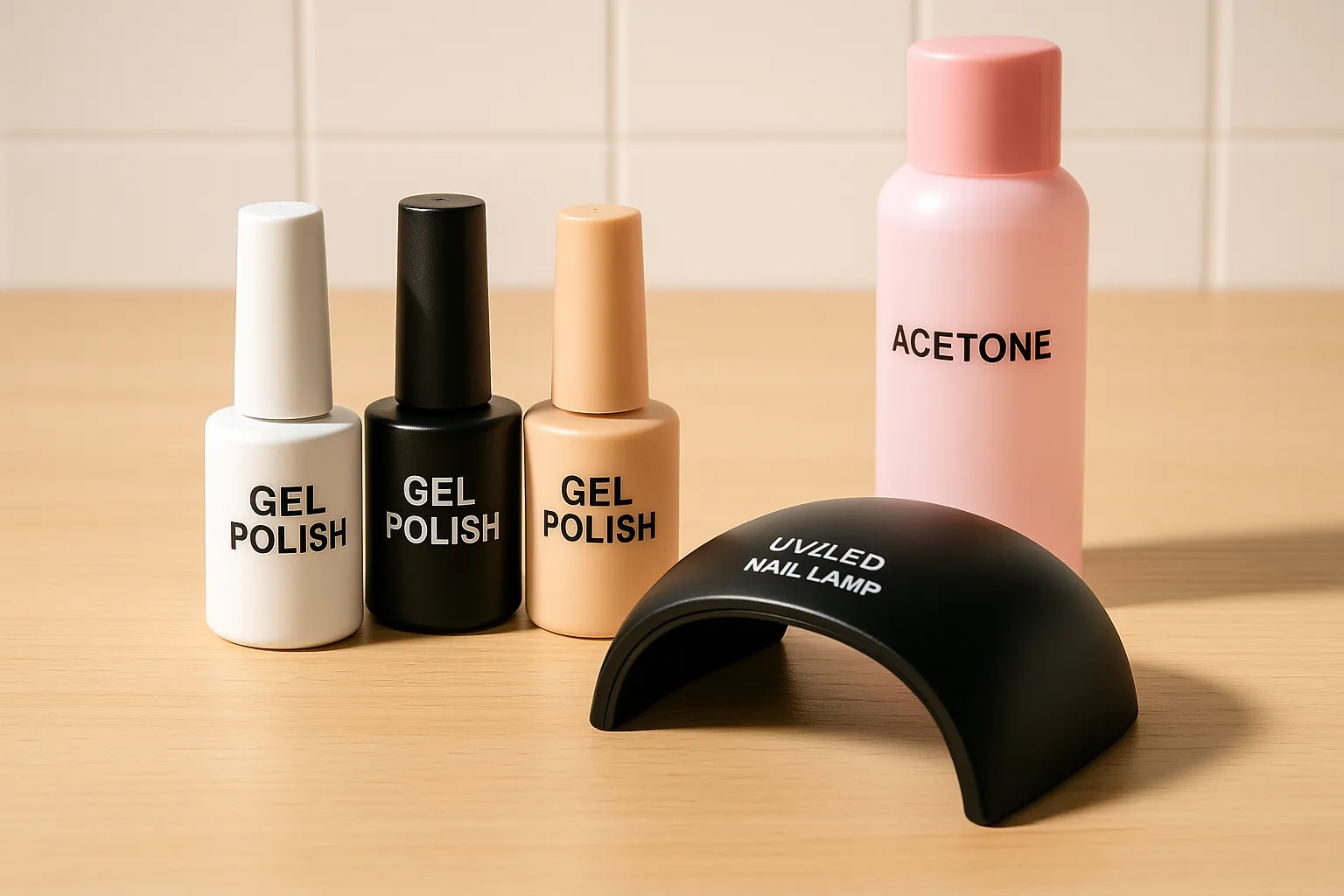
Significant changes are underway in the UK’s beauty industry, particularly affecting nail treatments, as new safety regulations aimed at protecting public health take effect this summer. A number of critical updates, including a ban on specific chemicals found in nail gels, are now being implemented, sparking discussions among beauty professionals and consumers alike.
The first phase of these regulatory changes was initiated on 15 July 2026, with the primary focus on removing potentially harmful substances from cosmetics. Under these new guidelines, the UV filter 4-MBC is now prohibited in newly introduced cosmetic products, alongside stricter warning labels for items containing formaldehyde-releasing preservatives. These measures were the outcome of extensive scientific assessments highlighting the potential risks associated with these chemicals to human health.
A further wave of regulations is set to take effect on 15 August 2026. This second phase includes the prohibition of TPO (Trimethylbenzoyl Diphenylphosphine Oxide) in cosmetics, and introduces new maximum concentration limits for Hexyl Salicylate, a fragrance component that has been linked to skin sensitisation. The decision reflects growing concerns among health experts about the implications of repeated exposure to uncured gel products, which may increase the likelihood of allergic reactions among consumers.
In an interview, Danielle Louise, a beauty specialist associated with Fresha, reassured consumers who frequently utilise gel nail services. “If you regularly get gel nails, there’s no need to cancel your appointments or worry that something has suddenly become unsafe,” she stated. “The vast majority of professional salons use trusted brands that stay current with cosmetic regulations, and many manufacturers have reformulated products well ahead of the deadline.”
The implications of these changes extend beyond consumers; salon owners, therapists, and nail technicians will need to be diligent in checking their professional supplies for compliance with the new regulations. Beauty professionals are advised to engage in open communication with suppliers regarding product compliance and maintain accurate records of purchases and product batches affected by these rules.
The shift towards tighter regulations comes in the wake of inquiries within Parliament. The issue was raised by Baroness Bennett of Manor Castle in the House of Lords, who queried the government’s plans regarding the ban on TPO in gel nail polish, particularly following a similar decision made by the European Union. The government responded that TPO had been added to the GB Mandatory Classification List and clarified that steps were being taken to prohibit its use in cosmetics throughout Great Britain. They committed to formulating comprehensive details regarding amendments to cosmetic regulations, which include transitional provisions.
The recent adjustments in regulations stem from a broader initiative governed by the UK Cosmetic Safety Regulations, which have been adapted to better safeguard public health while ensuring that consumers can continue to access a wide range of beauty products.
The substances targeted by the new regulations, including TPO, have been identified as hazardous. TPO is particularly noteworthy due to its role as a photoinitiator in UV- and LED-cured nail products; it facilitates the hardening process when exposed to curing lamps. Due to its classification as potentially carcinogenic, mutagenic, or toxic for reproduction—known collectively as CMR substances—this chemical’s removal from consumer access is seen as essential for ensuring safety in cosmetic applications.
In summary, the recent regulatory changes, scheduled for implementation throughout July and August 2026, mark a critical step in enhancing the safety of beauty products in the UK. As these new rules come into force, it remains paramount for industry stakeholders to ensure compliance while informing consumers of the safety measures being put in place. The move is indicative of an increasingly vigilant approach towards consumer health and safety within the beauty industry, responding proactively to scientific evaluations and public health recommendations.
Industry experts and beauty professionals will continue to play a significant role in navigating these changes, ensuring that both consumers and service providers can adapt seamlessly to the new landscape of cosmetic safety regulations. With an emphasis on quality and compliance, the UK’s beauty sector is poised to meet the evolving expectations of informed consumers in the ongoing quest for safety and excellence in personal care products.
Our Thoughts
The recent changes in UK cosmetic regulations, particularly the banning of the photoinitiator TPO and restrictions on harmful substances like 4-MBC, highlight crucial lessons for the beauty industry regarding chemical safety. To avoid health risks associated with nail gels, salon owners and technicians should have proactively engaged in risk assessments and compliance checks long before the regulations were announced. Regular audits of product ingredients and supplier certifications, adhering to the Control of Substances Hazardous to Health (COSHH) Regulations, would promote safer practices.
Key breaches of health and safety could involve inadequate sourcing of compliant products, risking exposure to prohibited chemicals. Additionally, salons should ensure that staff are trained to recognize warning signs of harmful chemicals and allergic reactions, aligning with the Health and Safety at Work Act 1974 obligations.
Future incidents could be mitigated through continuous education, strict supplier verification processes, and regular updates to health and safety protocols to embellish consumer confidence and protect public health from hazardous substances in the cosmetics industry.