














Story Highlight
- The UK experienced record-breaking heat this summer with five heatwaves.
- Greater Manchester faced increased pressure on the NHS due to heat-related illnesses.
- Reports indicate A&E departments saw double the expected patient numbers.
- Staff have endured extreme temperatures in poorly ventilated NHS buildings.
- The government plans to invest £6.75 billion for NHS climate resilience.
Full Story
This summer has posed significant challenges for NHS facilities across Greater Manchester, as the region experienced unprecedented heat. With five heatwaves recorded across the UK, over two-thirds of England and all of Wales are reported to be in drought conditions. While Greater Manchester is not officially in drought, the prolonged warm and dry weather has impacted the health of vulnerable individuals and has placed immense pressure on the NHS.
During peak periods of the heatwaves, A&E departments reported nearly double the usual patient numbers for this time of year. Hospital staff, already accustomed to high-stress winter demands since Covid, have found the summer months equally taxing. “It’s been pretty hard for healthcare workers,” said Dom, an A&E doctor. He noted that night shifts during the late June heatwave brought in a much higher patient influx than expected, stating, “I really felt it.”
Despite the high patient demand, NHS Greater Manchester has indicated that it is difficult to directly correlate the recent heatwave to increased service pressure locally. Dr Emma Runswick, deputy chair of the British Medical Association council, described the summer as “really difficult” for NHS staff and highlighted the ongoing challenges in addressing the elective backlog amid constant pressure. Financial constraints on the NHS in Greater Manchester have been exacerbated by a policy limiting rates for locum doctors, making it harder to fill shifts during peak times. “It’s definitely an issue in Greater Manchester,” Dr Runswick commented on the effects of financial pressure on patient safety.
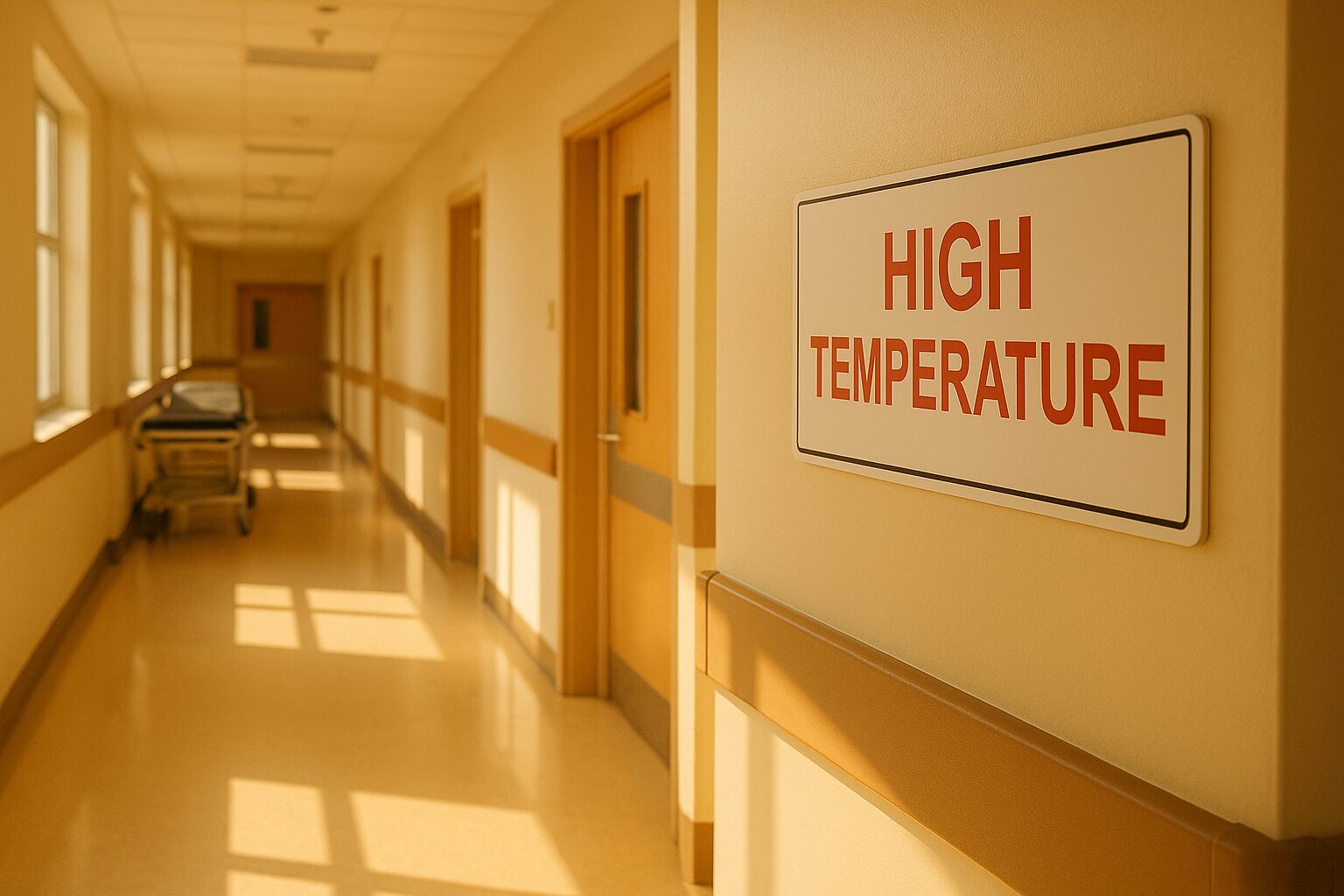
Inside NHS buildings, staff endured extreme temperatures, with one GP practice reporting a reading of 41.8C. Dom, who has worked in numerous hospitals, remarked, “I don’t think I have ever seen a ward that’s air conditioned,” indicating that many facilities lack proper climate control due to outdated infrastructures. Over half of hospitals experienced temperatures exceeding 33C during the summer, affecting both patient care and staff well-being.
The British Medical Association advocates for improvements to NHS infrastructure to better handle future heatwaves. Dr Runswick suggested that retrofitting hospitals with measures like air conditioning could mitigate these concerns. She stressed the need for proactive approaches to prevent hospital admissions by implementing better cooling strategies and engaging communities to care for vulnerable individuals during extreme weather.
In response to these challenges, NHS trusts in Greater Manchester are working on a Climate Change Adaptation Plan. A spokesperson for NHS Greater Manchester stated that the plan intends to improve resilience against extreme weather events by identifying vulnerabilities and implementing targeted interventions. Enhancements such as better insulation and ventilation are under consideration to ensure NHS buildings can cope with rising temperatures.
The government has acknowledged the burdens faced by NHS staff during extreme heat, committing £6.75 billion to address safety issues within NHS buildings, including necessary cooling and ventilation enhancements. Future hospital designs will incorporate measures to handle extreme temperatures effectively. The aim is to bolster the health service’s readiness for future heatwaves, paralleling preparations typically made for winter pressures.
Source: read the original report.
What this means for your site
The NHS has faced significant challenges during recent heatwaves, highlighting a need for greater emphasis on climate resilience within health facilities. One concrete measure that could be implemented is the establishment of maximum working temperature guidelines to protect staff from excessive heat, which aligns with the Health and Safety at Work etc. Act 1974 and the Management of Health and Safety at Work Regulations 1999. By instituting an effective risk assessment process, site managers can proactively identify heat-related hazards and formulate appropriate control measures.
Furthermore, legislative frameworks such as the Workplace (Health, Safety and Welfare) Regulations 1992 could be better integrated into operational practices. These regulations mandate that workplaces provide a suitable working environment, which includes adequate ventilation and temperature control. To prevent similar situations in the future, NHS facilities could invest in retrofitting with adequate cooling solutions and developing emergency response plans for extreme weather conditions.
This proactive approach not only safeguards the health of workers but also enhances patient safety during unprecedented weather events.