













Story Highlight
- Gas hobs linked to reduced life expectancy and health risks.
- Indoor air pollution from gas exceeds WHO and UK standards.
- Gas cooking associated with asthma, respiratory issues and cognitive decline.
- Nitrogen dioxide exposure can harm lungs and worsen asthma symptoms.
- Proper ventilation and alternative appliances can mitigate health risks.
Full Story
Households in the UK are being alerted to the potential health risks associated with using gas hobs, particularly when windows are closed during the cooler and wetter September weather. As temperatures have dropped, advice on keeping homes cool urges people to shut windows and curtains during the day and open them in the evening to allow cooler air in.
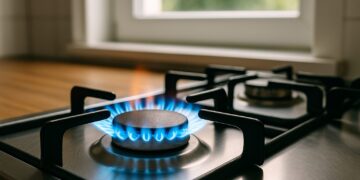
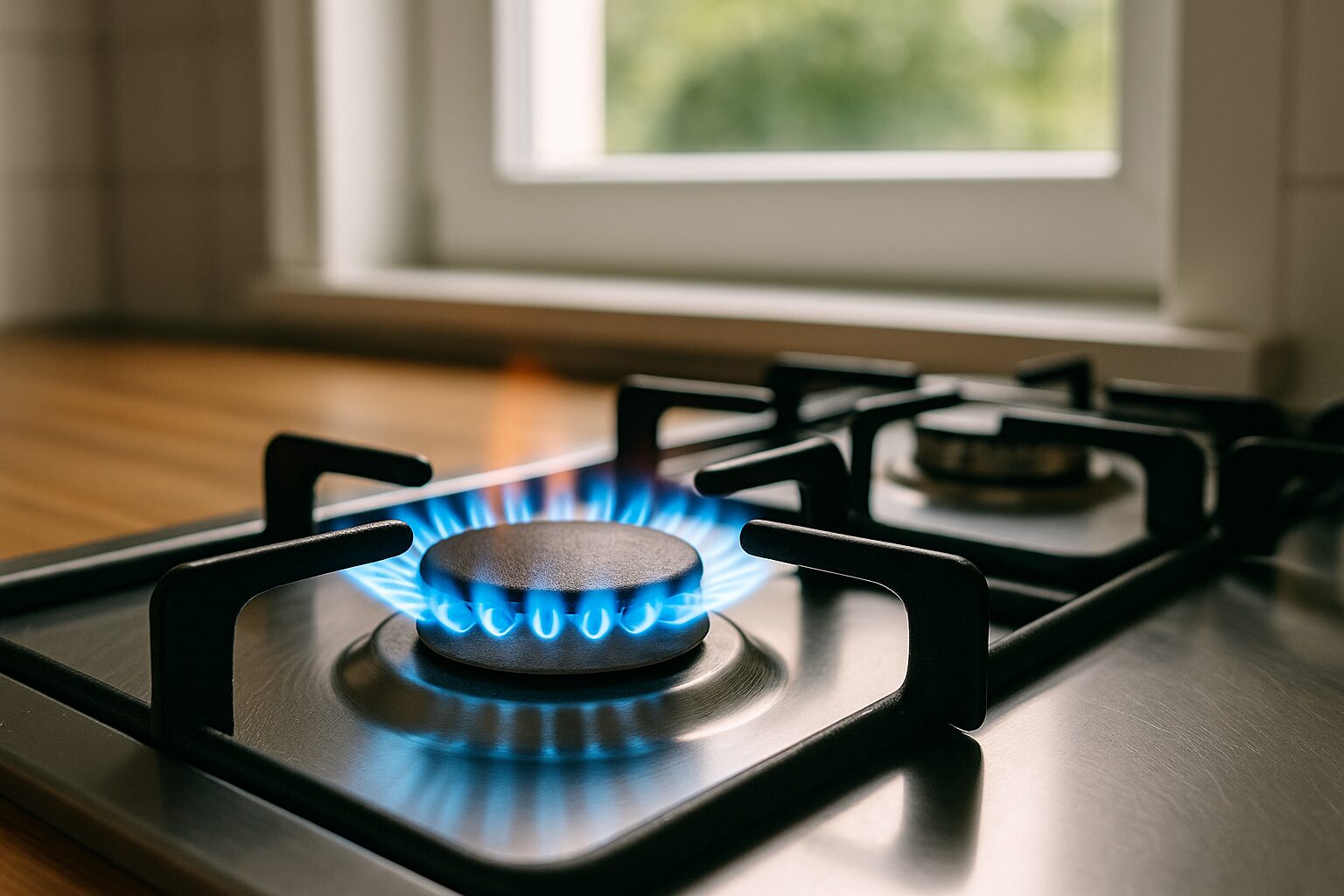
However, for those who cook with gas, inadequate kitchen ventilation can lead to health risks. Clean Air Hub UK highlights that cooking with gas “releases air pollutants that harm human health and the environment,” identifying gas cookers as a significant source of indoor air pollution and the primary contributor to nitrogen dioxide pollution in homes. Usage of gas in typical kitchens can create indoor nitrogen dioxide levels that surpass World Health Organisation air quality guidelines and UK Health and Safety Executive limits.
The establishment notes that gas cooking is associated with various health issues, including asthma in both children and adults, reduced lung function, respiratory illnesses in adults, and cognitive decline. It states, “Gas hobs can produce carbon monoxide, carbon dioxide, and nitrogen dioxide, which can linger in the home.” Additionally, pollutants may leak even when appliances are not in use, introducing methane and benzene into the household environment.
Exposure to nitrogen dioxide, a major pollutant from gas cooking, can lead to significant lung-related issues, including airway inflammation and exacerbated asthma symptoms. The harmful effects have been linked to childhood asthma, with emerging research indicating that the impact of gas cooking may be similar to that of second-hand smoke. Early-life exposure to nitrogen dioxide is correlated with compromised memory, verbal development, and an increased risk of ADHD symptoms in young children.
For households that continue to use gas appliances, the Clean Air Hub recommends several safety measures. These include ensuring proper kitchen ventilation during cooking—ideally with a functioning range hood vented to the outside or by opening windows. It also suggests switching to electric appliances where possible, servicing gas appliances annually, and installing carbon monoxide detectors in close proximity to kitchens.
To further reduce exposure to harmful emissions, it is advised to use as much ventilation as possible while cooking and for at least ten minutes afterward. Opening windows to create a through-draught can aid in dispersing pollutants. If gas appliances feature a fan, it is important to keep it clean, well-maintained, and vented outdoors. Alternatives such as electric kettles, microwaves, rice cookers, or air fryers are recommended to minimise emissions from gas cooking.
Source: read the original report.
What this means for your site
To mitigate health risks associated with gas cooking, better practices must be implemented to address ventilation and appliance maintenance. The Health and Safety at Work etc. Act 1974 and the Management of Health and Safety at Work Regulations 1999 are directly applicable, highlighting an employer’s responsibility to ensure a safe working environment. Specifically, managing risks associated with indoor air quality is essential, particularly for kitchens in commercial settings.
Implementing effective ventilation systems can greatly reduce the accumulation of indoor air pollutants, including nitrogen dioxide. Installing mechanical ventilation systems that expel air to the outside and ensuring routine maintenance of gas appliances are crucial steps. Moreover, educating staff on the importance of proper ventilation while cooking, such as opening windows or using exhaust fans, can significantly lower the risks of exposure to harmful pollutants.
Regular servicing of gas appliances should also be mandated, along with the installation of carbon monoxide detectors to safeguard against gas leaks. Transitioning to electric cooking appliances where feasible can further enhance safety. These actions collectively foster a healthier environment, ensuring compliance with UK legislation while prioritising employee wellbeing.