













Story Highlight
– NHS Grampian suspends all planned paediatric surgeries.
– Emergency paediatric surgery paused since June 2023.
– Concerns raised after HIS inspection in April.
– Staffing and training procedures under review and improvement.
– Outpatient paediatric care continues as scheduled.
Full Story
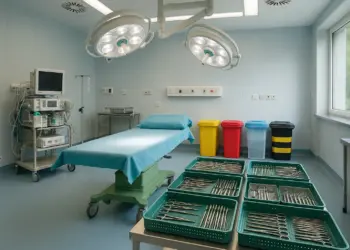
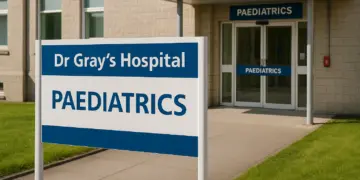
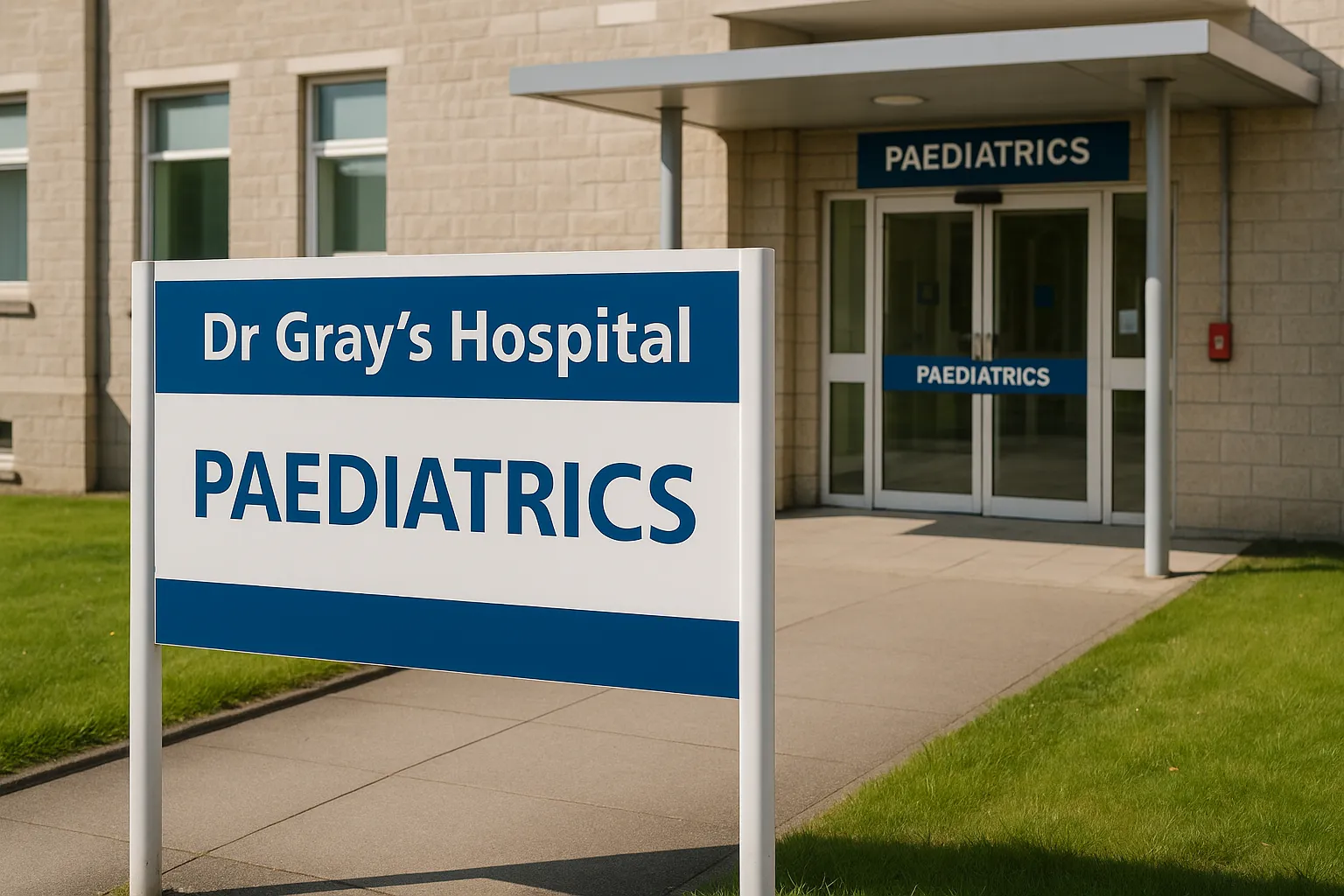
NHS Grampian has announced the suspension of all non-emergency paediatric surgery at Dr Gray’s Hospital in Elgin, following significant concerns about the quality and safety of care provided for young patients. This decision extends a previous halt on emergency paediatric surgeries that had been put in place since June, allowing for only exceptional cases to proceed.
The health board’s action came after an unannounced inspection conducted by Healthcare Improvement Scotland (HIS) in April raised alarms regarding the standards of paediatric services at the facility. An issue highlighted by the inspection was the adequacy of staff trained in advanced paediatric life support available at the hospital. In response, NHS Grampian has undertaken a thorough review of existing staffing arrangements and procedures to ensure that suitably qualified personnel are present on-site to handle emergencies that may arise.
Dr Hugh Farrow-Bishop, the medical director of NHS Grampian, addressed the concerns directly, expressing regret for the families affected by the suspension of procedures. “We want to apologise to those children – and their families – affected by this,” he stated. He assured that the health board is committed to rescheduling the procedures as promptly as possible. Following the evaluation and renewal of necessary training, Dr Farrow-Bishop noted that the health board would assess what paediatric surgical services can be resumed safely at Dr Gray’s Hospital, in collaboration with HIS. He anticipated that this process would conclude by the end of the year.
Currently, outpatient paediatric services continue to operate as scheduled, and families are encouraged to keep their appointments. It is important to note that all other inpatient and outpatient services at Dr Gray’s Hospital remain unaffected by this latest development.
Local representatives have expressed serious concerns regarding the situation. Laura Mitchell, the Member of the Scottish Parliament for Moray, described the findings as “deeply concerning.” She underscored the importance of ensuring the highest standards of safety for children in the region, acknowledging NHS Grampian’s obligation to take decisive action to ensure that services at the Elgin facility are both safe and effective for patients.
The move to suspend planned paediatric surgeries is part of a broader commitment by NHS Grampian to enhance the quality of care amid rising concerns over safety standards. This approach follows ongoing scrutiny of staffing levels within the healthcare sector, particularly in smaller hospitals like Dr Gray’s, where resources can become stretched.
The health board’s proactive measures, which include the review of staffing rotas and the arrangement of refresher training for current staff, aim to address the weaknesses identified by the HIS inspection. Training records are undergoing meticulous checks, and NHS Grampian is committed to ensuring all staff are adequately equipped to meet the demands of paediatric care.
While the suspension of elective procedures may be challenging for families awaiting operations, the health board believes that these steps are necessary to guarantee the well-being of young patients. The commitment to rescheduling surgeries as soon as it is deemed safe underscores the health authority’s focus on prioritising patient safety above all.
In light of the current situation, the local healthcare community is urged to engage with NHS Grampian for updates regarding service adjustments and the impact on patient care availability. As the health board works through its internal review, there is an emphasis on collaborating with regulatory bodies to ensure that all necessary improvements are instituted.
In addition to the immediate operational changes, there are underlying concerns regarding the long-term sustainability of services at Dr Gray’s Hospital. The region’s healthcare landscape is navigating various challenges, including staffing issues that have previously been flagged as a stagnant problem affecting operational capacity. As noted in historical instances, such as outbreaks of sickness within the hospital and staffing fragility reports, these have continuously raised alarms.
While the suspension of paediatric surgery at Dr Gray’s Hospital is an alarming announcement for families in and around Elgin, it also highlights the necessity for ongoing vigilance and improvement in healthcare delivery. Stakeholders, including local politicians and health board executives, are likely to remain engaged in discussions surrounding the future of services, ensuring that the highest standards of care are upheld for the children of Moray and beyond.
The situation at Dr Gray’s serves as a critical reminder of the complexities involved in delivering healthcare in regional settings, where the balance between resource allocation and patient safety must be carefully managed. As NHS Grampian moves forward, it will be essential to monitor how these changes affect both the immediate provision of services and the long-term health of the community.
Our Thoughts
NHS Grampian’s suspension of paediatric surgeries at Dr Gray’s Hospital highlights several areas for improvement in safety management. To prevent the situation, a more proactive approach to staff training and resource allocation could have been taken. The Health and Safety at Work Act 1974 mandates that employers ensure the health and safety of all employees and the public, which includes maintaining sufficient trained personnel.
Key safety lessons include the importance of regular audits of staff competencies, particularly in critical care areas such as paediatrics. The failure to have adequately trained staff available contravenes Regulation 3 of the Management of Health and Safety at Work Regulations 1999, which emphasizes the need for risk assessments that account for staff qualifications.
To prevent similar incidents, healthcare institutions should implement continuous staff training requirements and effective contingency plans for staff shortages. Regular inspections and assessments by an independent body like Healthcare Improvement Scotland can support maintaining standards. Involving staff in the identification of risks and solutions could also strengthen the safety culture within the organization.