














Story Highlight
– Tallow-based sunscreens are gaining popularity among influencers.
– Experts caution against their effectiveness and potential dangers.
– Critics argue conventional sunscreens contain harmful chemicals.
– Survey shows declining sunscreen purchases in the UK.
– Dermatologists recommend tested SPF products for safety.
Full Story
Suet, a traditional ingredient found in British kitchens for generations, is currently experiencing a resurgence, prompting both excitement and concern among health professionals. Also known as tallow, this rendered beef fat has been linked to various culinary applications, including the preparation of dumplings, pie crusts, and traditional Christmas puddings. However, its newfound popularity, particularly in the realm of skincare, particularly sunscreens, has raised eyebrows among dermatologists and cancer researchers alike.
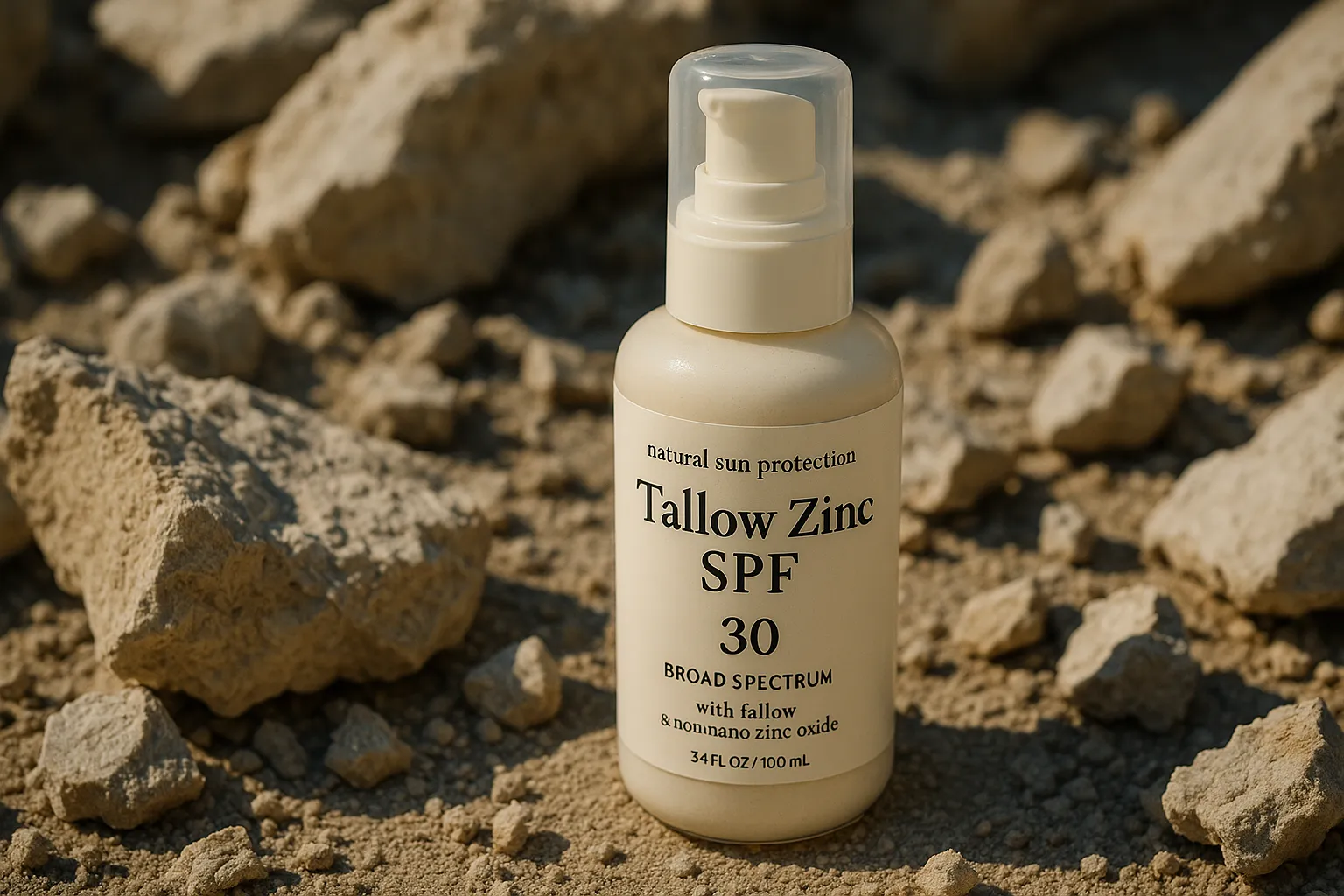
A notable player in this evolving narrative is the British Broth Company, which markets an SPF30 sunscreen made from tallow. The company asserts that their product has undergone “independent in-vivo SPF testing,” as is mandated for sunscreens that claim to offer protection. This has not only caught the attention of beauty enthusiasts but also sparked controversy regarding the safety and efficacy of such products.
Historically, various formulations incorporating animal fats, including tallow, have reportedly been used for thousands of years to nourish and protect the skin. Remarkably, a skincare product made from tallow was discovered in Roman archaeology in London, dating back two millennia, attesting to its long-standing application. Recently, influencers and celebrities have taken to social media platforms such as TikTok and Instagram, proclaiming the benefits of tallow-based sunscreens. They assert that these formulations are devoid of the “harmful,” “toxic” chemicals often associated with mass-market sunscreens, promoting them as “natural” and “nourishing”.
Among those championing these products is ex-Towie star Samantha Faiers, who has faced criticism for her endorsement of tallow sunscreens, particularly concerning her children. Samantha has publicly stated her scepticism towards conventional sunscreen, believing that they are “pretty harmful and full of toxic ingredients.” She professes confidence in her family’s routine of applying tallow-based sunscreen, especially when traveling.
Influencers have claimed that such natural concoctions serve as effective alternatives to traditional sun protection. Brands are keen to highlight that their offerings do not contain “chemical filters” common in many popular sunscreens. This trend reflects a broader movement of distrust towards conventional skincare products. A recent survey from Worldpanel by Numerator indicated that only 56% of adults across England, Scotland, and Wales have purchased sunscreen in the previous two years, suggesting a decline in public confidence in these products.
Despite the enthusiastic endorsements, experts advise caution regarding tallow sunscreens. They stress that the evidence supporting their protective capabilities is scarce and point out the potential risks associated with their use. Many dermatologists label these products as “dangerous” and devoid of actual sun protection benefits. At worst, reliance on these alternatives could lead to an increased risk of sunburn and long-term skin damage, including melanoma.
Professor Antony Young, a skin and sunscreen specialist at King’s College London, stated, “SPF testing by an accredited laboratory is a legal requirement for an SPF claim.” He further explained that many brands exploit loopholes by marketing their products as “Sun Balm” or “body cream with zinc oxide” while avoiding using the term sunscreen, potentially misleading consumers about the protection offered.
In addition, Professor Brian Diffey, another expert in photobiology, noted that substances such as beef tallow, while beneficial in certain contexts, cannot independently protect the skin from harmful UV radiation. For effective sun protection, tallow-based formulations would need to be combined with recognised UV filters and subjected to rigorous testing, which most small-scale manufacturers may not provide.
As more individuals gravitate towards these “natural” sunscreens, professionals are urging consumers to remain vigilant. Accurate and clear SPF and UVA claims are paramount, and mainstream sunscreens undergo rigorous testing procedures to ascertain their safety and effectiveness. Professor Young added, “It’s worth remembering, ‘natural’ does not mean safer or more effective.”
The ongoing discourse has been further complicated by claims from influencers, asserting that sunscreen itself is the culprit behind skin cancer, a viewpoint echoed by some social media personalities. For instance, TikTok user @savannahxraeee, with over 36,000 followers, claimed, “The sun doesn’t cause cancer, sunscreen does,” leading to discussions about the perceived risks of chemical filters in sunscreen formulations.
Current scientific data suggests that although concerns about chemical absorption and hormonal disruptions are valid, sunscreens marketed in the UK must meet strict safety regulations. Regulatory bodies routinely monitor the potential toxicity of sunscreen ingredients, banning those found harmful. Importantly, ample evidence demonstrates that regular use of SPF 15 or higher can significantly reduce melanoma risk.
Melanoma remains a growing health concern in the UK, with recent studies revealing it as one of the most common cancers, particularly among younger demographics. The likelihood of developing melanoma has increased dramatically, attributed to several factors, including heightened UV exposure and changing behaviours regarding sun safety.
Experts have consistently echoed the importance of utilising effective sun protection. The NHS advises using a minimum SPF 30 sunscreen, coupled with measures such as seeking shade during peak sun hours, wearing protective clothing, and monitoring skin regularly for any changes.
The rise in popularity of tallow-based products in place of traditional sunscreens is a reminder of the ongoing debate surrounding skincare and safety. While there are proponents and critics of these newer formulations, the consensus among skincare professionals remains clear: scientifically-backed and properly tested sunscreen is essential for safeguarding skin health against harmful UV radiation.
In response to the ongoing commentary, a representative for Samantha Faiers clarified her stance, stating that she does not advocate for unsafe practices. Instead, she emphasizes her family’s approach to sun safety and her acknowledgement of ongoing discussions about skincare ingredients.
As consumers navigate this evolving landscape of sun protection, it is crucial to remain informed and cautious about the products being promoted, especially those that diverge from regulatory standards and recognised safety protocols.
Our Thoughts
The promotion of tallow-based sunscreens, notably lacking in scientific backing, raises significant health and safety concerns under UK legislation. Key safety lessons include the importance of adhering to the legal requirements for SPF products, which mandate independent laboratory testing to support SPF claims, as outlined in the Cosmetic Products Regulation (EC) No. 1223/2009.
The article highlights the misuse of terminology, with products marketed as “sun balms” or “body creams” potentially exploiting regulatory loopholes while not providing adequate sun protection. This could constitute a breach of safety regulations leading to consumer deception.
To prevent similar incidents, there should be heightened scrutiny and regulation of influencers promoting health products lacking scientific evidence. Consumers need thorough education on the necessity of proven sun protection measures, emphasizing sun safety guidelines that specify the use of accredited sunscreens with clear SPF ratings. Regular monitoring and enforcement of compliance with safety standards by regulatory bodies would enhance consumer protection and reduce the risks associated with untested sunscreens.