















Story Highlight
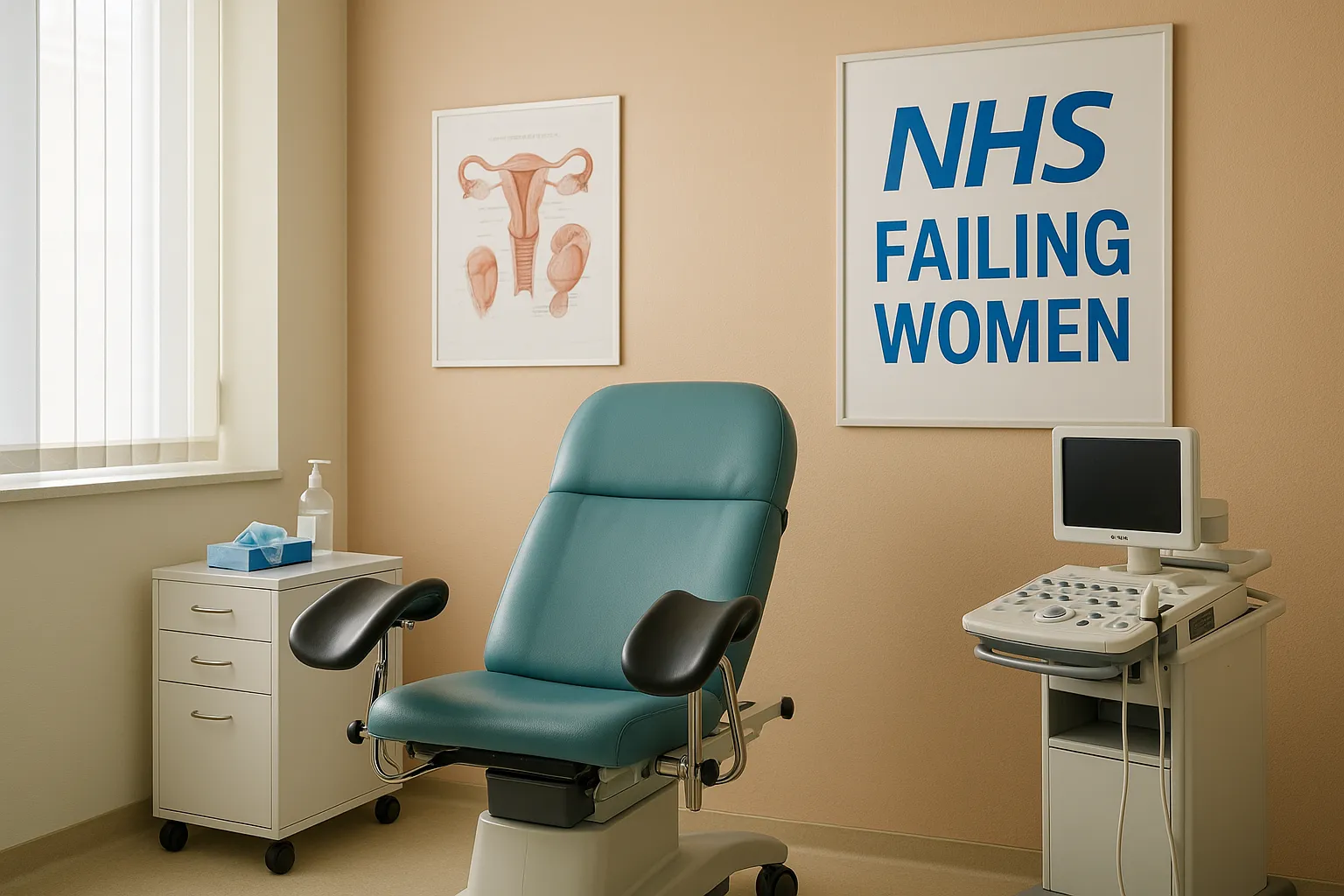
– NHS termed “failing women” by health secretary Wes Streeting.
– New measures to combat medical misogyny in healthcare.
– Women to influence healthcare payment for substandard services.
– Improved education on healthy period recognition for girls.
– Efforts to reduce diagnosis waiting times for women’s conditions.
Full Story
The NHS has come under scrutiny following the announcement of significant reforms aimed at addressing longstanding issues facing women’s health. Health Secretary Wes Streeting described the current state of the NHS as one that is “failing women,” and outlined a new set of measures intended to combat what he termed “outdated and misogynistic practices,” particularly concerning pain management during medical procedures.
At the forefront of these reforms is a commitment to empower women in their healthcare journey. The Department of Health and Social Care has proposed that women should have a say in financial assessments related to the quality of care they receive; specifically, they will have the ability to influence payment withholding for unsatisfactory services. This approach is part of a wider initiative to ensure that women’s voices are central in healthcare decisions that affect them.
This renewed focus on women’s health follows revelations from the Women and Equalities Committee, which indicated that women often experience a form of “medical misogyny.” Many have felt compelled to endure prolonged pain due to a health system that remains insufficiently attuned to women’s health concerns. The committee’s report emphasised the urgent need for reform, with many women reporting years of suffering stemmed from a lack of comprehensive awareness and treatment of conditions that disproportionately affect females.
Unveiling the updated Women’s Health Strategy, Streeting highlighted that a standard of care is set to be introduced that guarantees women will receive adequate pain relief for invasive procedures such as hysteroscopies and the fitting of contraceptive devices. He spoke passionately about the importance of allowing women’s experiences to dictate healthcare provisions and not the other way around.
In his own words, Mr. Streeting remarked, “Women have for so long been let down by a healthcare system that too often gaslights women, treating their pain as an inconvenience and their symptoms as an overreaction.” He elaborated on the frustrations experienced by women who frequently find themselves bounced between appointments, particularly concerning chronic conditions such as endometriosis and fibroids. The renewed strategy aims to overhaul this frustrating cycle, ensuring women are recognised and their health needs addressed with respect and urgency.
As part of the broader reforms, the strategy introduces a £1 million menstrual education programme aimed at equipping young girls with the knowledge to distinguish between healthy and unhealthy menstruation patterns. This initiative seeks to facilitate earlier awareness of potential health issues, potentially leading to swifter diagnosis and management.
Additional components of the strategy include revisions to clinical pathways relating to heavy menstrual bleeding, urogynaecology, and menopause, all designed to expedite diagnosis and treatment. Streeting also pledged improvements in access to both contraceptive options and abortion care, acknowledging that women require comprehensive support across their reproductive health spectrum.
Another notable proposal entails the establishment of a “single referral point” for women seeking assistance, designed to streamline connections to appropriate healthcare services from the outset. This measure intends to mitigate the often frustrating and time-consuming navigational hurdles that many women face when seeking treatment.
Local services are expected to be integrated with online support mechanisms, aimed at reducing waiting times significantly and ensuring women do not face protracted periods awaiting either diagnosis or treatment. Dr. Sue Mann, clinical director for women’s health at NHS England, reflected on the necessity of this initiative, stating, “There are still parts of society and the health system that are trapped in outdated thinking.”
Dr. Mann emphasized the importance of tackling misconceptions that lead to the dismissal of serious symptoms affecting women’s daily lives, whether related to menstruation or menopausal challenges. The renewed focus, according to her, aims to enhance methodologies spanning the spectrum of care women deserve.
The response from professional bodies and advocacy groups has been largely supportive. Dr. Alison Wright, president of the Royal College of Obstetricians and Gynaecologists, welcomed the proposed measures, particularly in terms of addressing the crisis surrounding gynaecology waiting lists and increasing awareness about menstrual health and sustainable abortion services.
Janet Lindsay, chief executive of the charity Wellbeing of Women, echoed this sentiment, reinforcing the necessity of prioritising women’s voices in both personalized healthcare plans and in broader systemic designs for effective diagnosis and treatment. Similarly, Emma Cox, chief executive of Endometriosis UK, expressed concern regarding the alarming rise in diagnosis times for endometriosis, which now averages at over nine years, with even longer durations reported in ethnically diverse communities. “Leadership and decisive actions will be vital to drive these times down,” she asserted.
The announcement of this comprehensive strategy marks an important milestone in the ongoing journey towards gender-sensitive healthcare within the NHS. The renewed emphasis on acknowledging and addressing the needs of women within the health service signifies a commitment to evolving practices that centre women’s experiences and improve overall healthcare outcomes. The coming months will reveal the tangible impacts of these interventions, as the NHS seeks to transform its approach to women’s health care into one that is equitable, respectful, and attentive to the voices of all women.
Our Thoughts
The issues highlighted in the article indicate a failure to adhere to several aspects of UK health and safety regulations, particularly the Health and Safety at Work Act 1974, which mandates that employers ensure the health, safety, and welfare of employees and patients.
To prevent these incidents, a more robust training program focused on gender sensitivity and the specific health needs of women could have been implemented, addressing the discriminatory practices described. Regular audits and evaluations of patient care practices could help to uncover systemic issues regarding the treatment of women and ensure adherence to best practice standards.
Furthermore, timely diagnosis and adequate pain management are fundamental rights under the Care Quality Commission’s fundamental standards, which emphasize the need for person-centred care. Implementing a feedback mechanism that directly influences provider funding, as proposed, should be considered crucial for accountability and driving improvements in care.
Key safety lessons include prioritizing patient feedback and implementing a comprehensive education program for healthcare professionals about women’s health issues. This could lead to a more respectful and empathetic healthcare environment, ultimately enhancing patient outcomes and satisfaction.