
















Choose an AI chat
Safety technology from Res Digital
Tragedy of heatstroke highlights urgent need for athlete safety reforms
UK Health and Safety Latest

Tragedy of heatstroke highlights urgent need for athlete safety reforms

by Tara Rowden
September 18, 2026
0

In a tragic incident that underscores the critical need for improved athlete safety protocols, Arizona State University hockey player Matthew...

Read moreDetails
Parents outraged by school’s no-contact policy following detention for high-five

Parents outraged by school’s no-contact policy following detention for high-five

September 18, 2026
New research explores gene therapy potential to combat muscle loss with age

New research explores gene therapy potential to combat muscle loss with age

September 18, 2026
Cornwall considers ban on disposable barbecues amid safety concerns

Cornwall considers ban on disposable barbecues amid safety concerns

September 18, 2026
Nurses warn of dire consequences for patients amid record heat in UK hospitals

Nurses warn of dire consequences for patients amid record heat in UK hospitals

September 17, 2026

Archives

  • September 2026
  • August 2026
  • July 2026
  • June 2026
  • May 2026
  • April 2026
  • March 2026
  • February 2026
  • January 2026
  • December 2025
  • November 2025
  • October 2025
  • September 2025
  • July 2025
  • August 2009

Categories

  • Health and Safety Help
  • News
  • Policies
  • UK Health and Safety Latest
  • About
  • Advertise
  • Policies
    • Privacy Policy
    • Editorial Policy
    • Corrections & Complaints policy
  • Useful Documents
    • Understanding RIDDOR
    • 10 Workplace Safety Failures
    • A Complete Guide to Reporting Safety Incidents in the UK
    • Fire Risk Assessment: Meeting the Regulatory Reform (Fire Safety) Order
    • COSHH Basics: A Practical Guide to Control of Substances Hazardous to Health
    • Working at Height in the UK: The Essentials (WAH Regulations 2005)
    • Asbestos in the Workplace: Control of Asbestos Regulations 2012 (CAR) Essentials
    • Managing Contractors Under CDM 2015: Roles, Duties & Controls
    • DSE & Ergonomics: Healthy Workstations for Office & Hybrid Teams
    • Lock out Tag out LOTO
    • Workplace Transport Safety: Forklifts, Pedestrians & Traffic Management
    • Noise & Vibration at Work: Practical Controls (2005 Regulations)
    • Confined Spaces in the UK: Safe Entry under the Confined Spaces Regulations 1997
  • Contact
  • Agent
Friday, September 18, 2026
19 °c
London
20 ° Sun
20 ° Mon
17 ° Tue
  • Login
UK Safety News
  • Home
  • News
    • All
    • UK Health and Safety Latest
    Tragedy of heatstroke highlights urgent need for athlete safety reforms

    Tragedy of heatstroke highlights urgent need for athlete safety reforms

    Parents outraged by school’s no-contact policy following detention for high-five

    Parents outraged by school’s no-contact policy following detention for high-five

    New research explores gene therapy potential to combat muscle loss with age

    New research explores gene therapy potential to combat muscle loss with age

    Cornwall considers ban on disposable barbecues amid safety concerns

    Cornwall considers ban on disposable barbecues amid safety concerns

    Nurses warn of dire consequences for patients amid record heat in UK hospitals

    Nurses warn of dire consequences for patients amid record heat in UK hospitals

    Concerns raised over safety and staff training at Welsh mental health wards

    Concerns raised over safety and staff training at Welsh mental health wards

    Care home implements safety measures following choking tragedy

    Care home implements safety measures following choking tragedy

    Hand wash recalled due to microbiological risk in UK stores

    Hand wash recalled due to microbiological risk in UK stores

    West Devon named best place in South West for healthy aging

    West Devon named best place in South West for healthy aging

    Single sex workplace facilities pose challenges for employers as legal clarity remains elusive

    Single sex workplace facilities pose challenges for employers as legal clarity remains elusive

    Trending Tags

No Result
View All Result
UK Safety News
No Result
View All Result
Home News UK Health and Safety Latest

Nurse warns of risks from unregulated earwax removal services

Jade Anderson by Jade Anderson
January 3, 2026
in UK Health and Safety Latest
Reading Time: 4 mins read
0
Nurse warns of risks from unregulated earwax removal services

Story Highlight

– Unregulated earwax removal services pose safety risks.
– NHS cutbacks lead to increased private provider involvement.
– Growing concerns for patient safety prompt regulation efforts.
– Many patients access care inconsistently across regions.
– Blocked ears can cause pain and social isolation.

Full Story

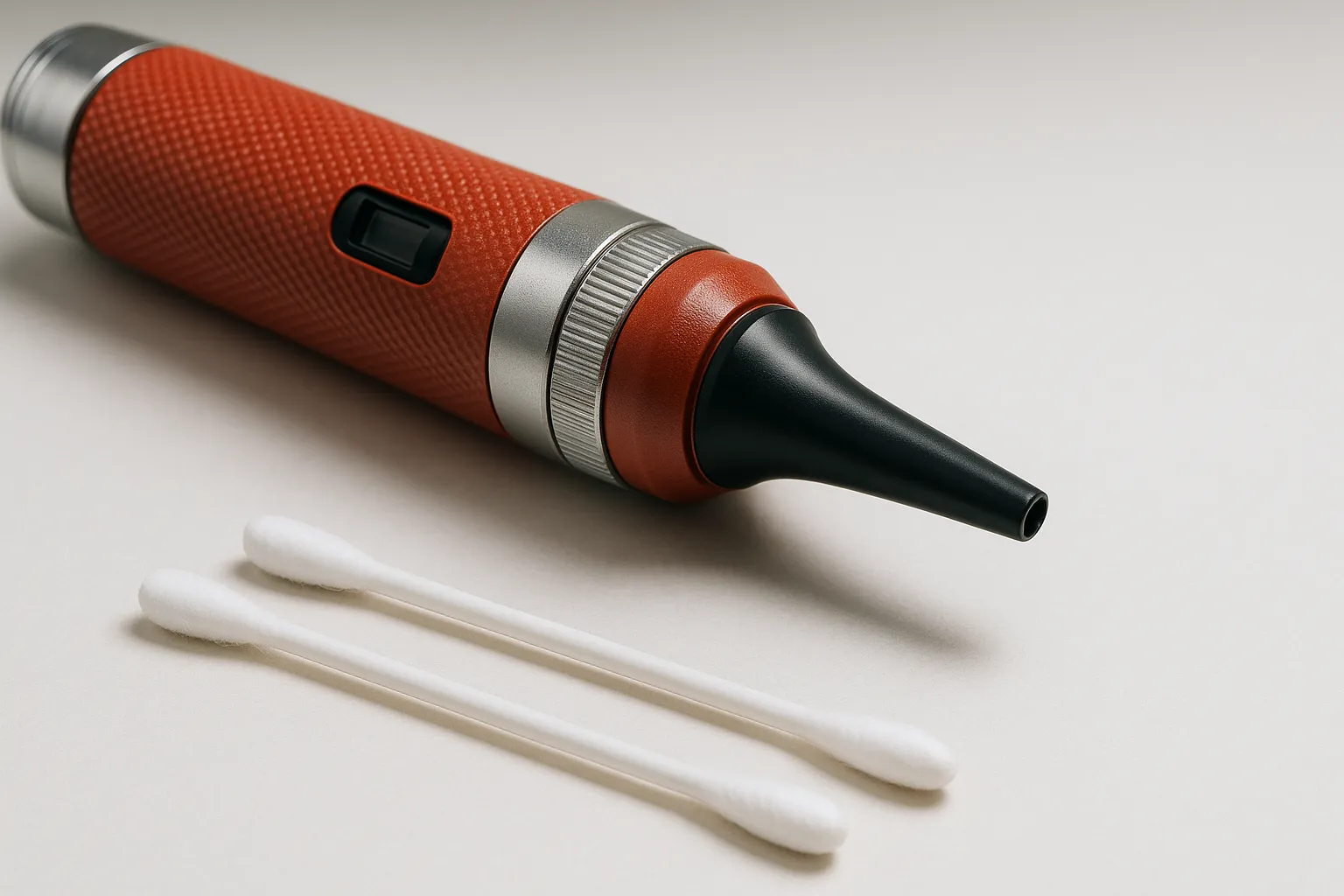
Concerns are growing over the unregulated nature of earwax removal services in the UK, as private providers fill the void left by diminishing NHS services. A registered ear care nurse, who has opted to remain anonymous, has voiced alarm regarding the safety risks patients face due to unqualified individuals now entering this field. This issue has emerged in tandem with cuts to NHS services, which previously offered earwax removal free of charge.

The nurse highlighted a worrying trend where individuals with minimal medical training are offering ear cleaning services following completion of short courses. “A lot of beauticians are performing ear care after a one-day training course,” she remarked, indicating that improper techniques can lead to damage to the ear canal and, in many cases, fail to remove the wax effectively.

This lack of consistent training and regulation raises significant safety concerns. The nurse suggested that a more equitable system is necessary: “I believe that all providers should either be properly registered or none at all,” she stated, arguing that the current regulatory framework is both inconsistent and unfair. Instances of patient injury due to unqualified practitioners have become increasingly prevalent, with the nurse remarking, “We encounter this issue regularly.”

Claire Benton, president of the British Academy of Audiology (BAA) and an audiologist based in Skipton, corroborated these worries. Benton pointed out that while training may provide some knowledge of the wax removal process, the major risk lies in providers lacking the medical expertise to recognise potential underlying health issues. “Since the NHS reduced free earwax removal services, the waiting lists have skyrocketed,” she added, as patients find themselves in dire situations.

Many individuals are experiencing significant distress over blocked ears. Benton recounted a situation where a patient visited her in distress after their GP refused to assist, claiming that the earwax condition was merely a cosmetic issue. “It is certainly not cosmetic,” she stated emphatically. The heightened emphasis on patient safety has prompted the formation of the National Aural Care Strategy Group. This initiative aims to establish uniform regulations for earwax removal providers and set minimum training standards to safeguard patients.

The Royal National Institute for Deaf People (RNID) also weighed in on this pressing issue. Crystal Rolfe, a representative from the RNID, echoed concerns regarding the lack of access to free care. Rolfe noted that some patients are resorting to self-removal techniques or forgoing necessary services due to the costs associated with private care: “For many, the financial burden can be overwhelming,” she said. She cautioned against improper practices, advising, “Don’t put anything in your ear smaller than your elbow,” highlighting the risks involved with using cotton buds, as they often push wax further down the canal.

According to RNID, over eight million individuals in England currently lack access to essential NHS earwax removal services. While this may appear to be a minor issue, it can lead to painful blockages, interfere with hearing aids, and ultimately contribute to social isolation for many individuals. Rolfe stated, “These issues can seem trivial, but they hold significant implications for people’s well-being.”

The situation is compounded by what Rolfe described as a “postcode lottery” in service availability. “In areas such as West Yorkshire, earwax removal services are aligned with public health guidelines, which is positive news for residents there,” she explained. However, the picture is less rosy for people living in regions like Humber, North Yorkshire, and South Yorkshire, where services are only partially meeting guidelines. “In these areas, patients may have access to earwax removal, but not in others, or only under strict conditions,” Rolfe lamented.

NHS England responded to the ongoing concerns by affirming that information regarding earwax safety and the availability of services is provided online. Furthermore, local pharmacies can offer advice to patients regarding ear issues. An NHS spokesperson stated that integrated care boards must ensure that patients are directed to the appropriate NHS services if symptoms persist after attempting self-care methods.

The issue of earwax removal not only points to the wider challenges faced by the NHS but raises pressing questions about patient safety and the need for regulation in private healthcare sectors. As more individuals seek alternative solutions for their ear health needs, the call for consistent regulations and adequate training becomes increasingly important to protect patients from potential harm.

With the increasing complexity of healthcare access in the UK, this topic is likely to remain in the spotlight, as health authorities work towards creating a safer, more equitable system for ear care. Whether through increasing support for NHS services or imposing stricter regulations on private providers, it is clear that proactive measures are necessary to ensure that all individuals receive the safe and effective ear care they require.

Our Thoughts

The incident highlights several key areas for improvement in earwax removal services to enhance patient safety. Firstly, there is a clear need for stringent regulatory measures to ensure that all providers of earwax removal are registered with the Care Quality Commission (CQC) or similar regulatory bodies as mandated under the Health and Social Care Act 2008. This would ensure that practitioners have appropriate training and knowledge to perform procedures safely.

The involvement of unqualified individuals, such as beauticians, poses significant risks, including injuries due to improper techniques. This underscores the necessity for minimum training standards, as outlined by the Health and Safety at Work Act 1974, which mandates that employers and service providers ensure the health and safety of all clients.

Finally, improvements in access to NHS services could reduce the reliance on unregulated services. Ensuring equitable access to earwax removal services across all regions would mitigate the risk of patients resorting to unsafe practices or self-treatment, addressing issues of the “postcode lottery” in healthcare provision. By prioritizing regulation and accessibility, similar incidents could be effectively prevented in the future.
SummarizeShare35Share198SendSend
Safety technology from Res Digital
Jade Anderson

Jade Anderson

Jade Anderson is a safety and compliance reporter specialising in UK regulatory affairs, HSE prosecutions, and workplace injury news. With experience covering health and safety law and enforcement, Jade brings in-depth analysis of court cases, fines, and lessons learned from workplace incidents across the UK.

Related Posts

Killer Kitchens campaign drives new safety kitemark to protect workers from silicosis

Killer Kitchens campaign drives new safety kitemark to protect workers from silicosis

by Ellie Cartwright
December 19, 2025
0

A new safety kitemark scheme for kitchen worktops has been launched to combat the risks of silicosis among stonemasons. This...

Employer fined after roofer's fatal fall in Aberdeenshire

Employer fined after roofer’s fatal fall in Aberdeenshire

by Michael Harland
September 11, 2026
0

An Aberdeenshire employer has been fined over £15,000 following the tragic death of 33-year-old roofer Matthew Ryan, who fell while...

Useful Documents

  • Understanding RIDDOR
  • 10 Workplace Safety Failures
  • A Complete Guide to Reporting Safety Incidents in the UK
  • Understanding RIDDOR
  • Fire Risk Assessment: Meeting the Regulatory Reform (Fire Safety) Order
  • COSHH Basics: A Practical Guide to Control of Substances Hazardous to Health
  • Working at Height in the UK: The Essentials (WAH Regulations 2005)
  • Lock out Tag out LOTO

Recent Posts

  • Tragedy of heatstroke highlights urgent need for athlete safety reforms
  • Parents outraged by school’s no-contact policy following detention for high-five
  • New research explores gene therapy potential to combat muscle loss with age
  • Cornwall considers ban on disposable barbecues amid safety concerns
  • Nurses warn of dire consequences for patients amid record heat in UK hospitals

Recent Comments

  1. Lendy Araujo on Oil spill at Piper Bravo deemed potentially catastrophic by safety regulator
  2. Piper Douglas on Worker dies due to inadequate machinery safety measures
  3. Simon Barrett on Honeymoon ruined by illness as newlywed suffers severe infection in Cape Verde
  4. Nolan Barrett on Work-related ill health in Great Britain remains a concern after pandemic peak
  5. Dylan Reeves on Sickness rates among Scottish police officers soar to troubling levels
UK Safety News

Copyright © 2026
UK Safety News

Navigate Site

  • About
  • Advertise
  • Policies
  • Useful Documents
  • Contact
  • Agent

Follow Us

Welcome Back!

Login to your account below

Forgotten Password?

Retrieve your password

Please enter your username or email address to reset your password.

Log In
No Result
View All Result
  • Home
  • News

Copyright © 2026
UK Safety News

This website uses cookies. By continuing to use this website you are giving consent to cookies being used. Visit our Privacy and Cookie Policy.