












Story Highlight
– Primark recalls 101 Dalmatians coin purse due to safety issues.
– Product sold in UK from March to June 2026.
– Contains harmful phthalates exceeding safety standards.
– Serious health risks, especially for children, noted.
– Customers can return for a full refund without proof.
Full Story
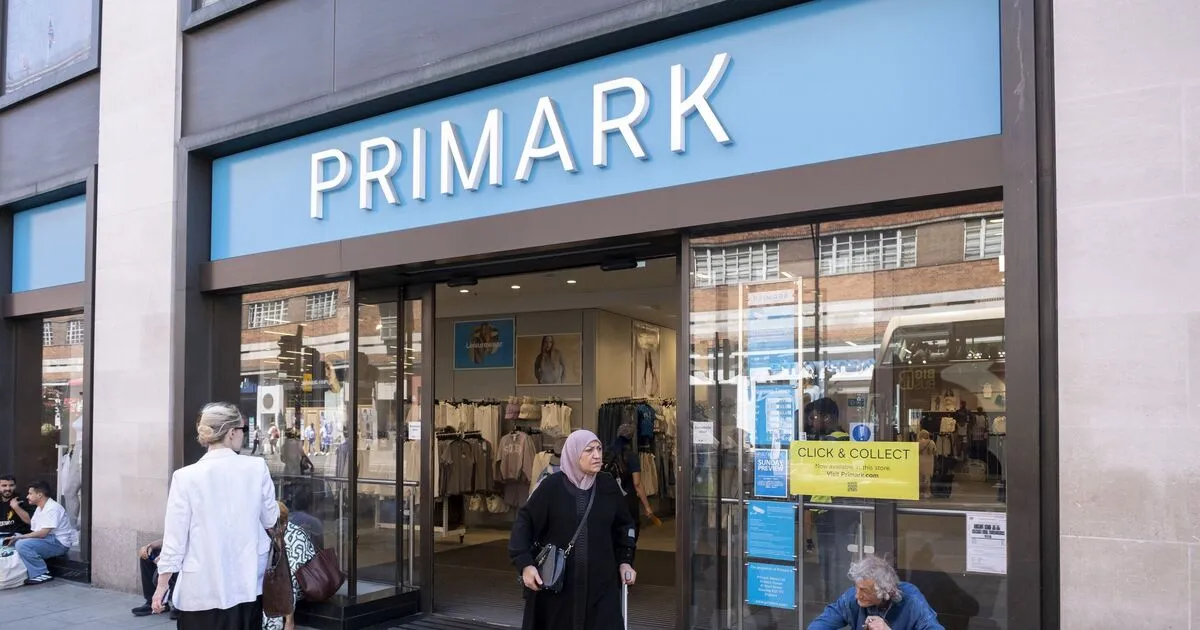
Primark has launched an immediate recall of a fashion accessory previously available in its UK stores earlier this year. The well-known budget retailer has deemed that the item fails to meet its stringent safety requirements, advising customers to cease use without delay. The focus of this recall is the 101 Dalmatians Faux Leather Coin Purse, which was on sale in UK locations from March to June of this year.
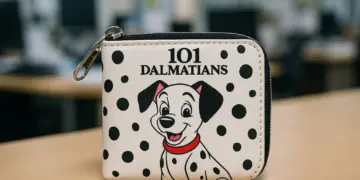
The coin purse, a small black accessory adorned with imagery from Disney’s beloved film 101 Dalmatians, features a depiction of one of the film’s iconic dogs alongside the title prominently displayed in the lower corner. However, Primark has identified hazardous levels of phthalates within this product, substances that could potentially pose risks to health and the environment. The issue prompted a statement from the Office for Product Safety and Standards, designating the risk associated with this item as “serious.”
The government body has indicated that the product, manufactured in China, presents “a serious chemical risk.” It further warns that the levels of phthalates may endanger children’s health, especially with possible repercussions for reproductive health. Its formal communication clarified that “the product does not meet the requirements of the REACH Enforcement Regulations 2008 or the General Product Safety Regulations 2005.”
In light of these concerns, Primark is calling on affected customers to actively share information regarding this recall to ensure that everyone who might own the purse is informed, particularly those who may have passed it on to others or acquired it second-hand. In an official notice, Primark stated, “Please stop using the product immediately. Please return the product to any of our Primark stores. It is not necessary to show proof of purchase.”
Customers who choose to return the faulty item to any Primark outlet will receive a full refund, reflecting the retailer’s commitment to customer safety and satisfaction. For those seeking additional clarification regarding the recall, Primark has provided a dedicated email address for inquiries: help.uk@help.primark.com.
This recent recall follows a pattern, as Primark has taken similar actions in recent weeks. Prior to the recall of the 101 Dalmatians purse, the fashion retailer issued a warning concerning three salt and pepper mills from its homeware range. These kitchen items were on shelves from January to May 2026, but the retailer discovered they contained levels of lead exceeding legal limits in one of their components, thereby posing a potential health risk.
Consumer safety experts emphasise the importance of adhering to product recalls, particularly those involving materials that could jeopardise health. The outcomes could be severe if customers remain unaware or do not act upon such advisories. The Department for Business, Energy and Industrial Strategy delivers oversight on product safety standards in the UK, highlighting manufacturers’ obligations to uphold safety regulations.
As awareness of product safety increases among shoppers, it becomes essential for retail companies to maintain transparency about potential risks. This incident underscores the critical balance between consumer trust and product marketing, with retailers encouraged to conduct thorough checks on supplies before sales.
The fashion and homeware sectors have both faced scrutiny over safety compliance in recent years. Incidents related to product recalls appear to be on the rise, particularly products aimed at children, which require heightened scrutiny due to the vulnerability of that demographic. High street retailers, including Primark, are increasingly vigilant, responding swiftly to any identified hazards to uphold brand integrity and protect their customers.
Primark’s ongoing recalls serve as a reminder to shoppers of the necessity of remaining updated on product safety notices. More than ever, consumers are encouraged to register purchases or to keep abreast of news related to items they have bought, particularly those items aimed at younger audiences or containing materials that have shown to pose health risks.
This latest recall highlights not only the significance of proactive measures by retailers but also the essential role of governmental bodies in safeguarding public health. Experts remind consumers that staying informed can significantly reduce the risks associated with unsafe products.
As this situation develops, affected customers are urged to act promptly regarding the purse recall, and further updates are anticipated as Primark continues to assess and manage its safety protocols within its extensive product lines. The implications of such recalls resonate strongly across the retail landscape, emphasising the critical need for safety at every level of product development and consumer interaction.
Our Thoughts
To prevent the incident involving the 101 Dalmatians Faux Leather Coin Purse, Primark could have implemented stricter quality control measures during the manufacturing and sourcing processes. Regular testing of products for hazardous substances, particularly phthalates, would have ensured compliance with the REACH Enforcement Regulations 2008 and the General Product Safety Regulations 2005.
Key safety lessons include the importance of robust supplier audits and ongoing risk assessments of imported goods to mitigate exposure to harmful chemicals. Training staff on identifying potential hazards in products before they reach consumers is also crucial.
The breach of the relevant regulations indicates a failure to adhere to established safety standards, thereby exposing consumers, particularly children, to serious chemical risks. Similar incidents can be prevented by enforcing stricter compliance checks and product safety assessments at all stages of product development and sale, reinforcing the legal obligations under UK health and safety legislation. Regular communication with customers regarding safety practices and recalls is essential in maintaining public trust and safety.