














Story Highlight
– 59% of children experience sunburn at least once.
– Only 42% of kids know sunscreen application techniques.
– Severe sunburn can double melanoma risk later in life.
– Sun protection habits should be established early in children.
– Sunscreen should be reapplied every two hours outdoors.
Full Story
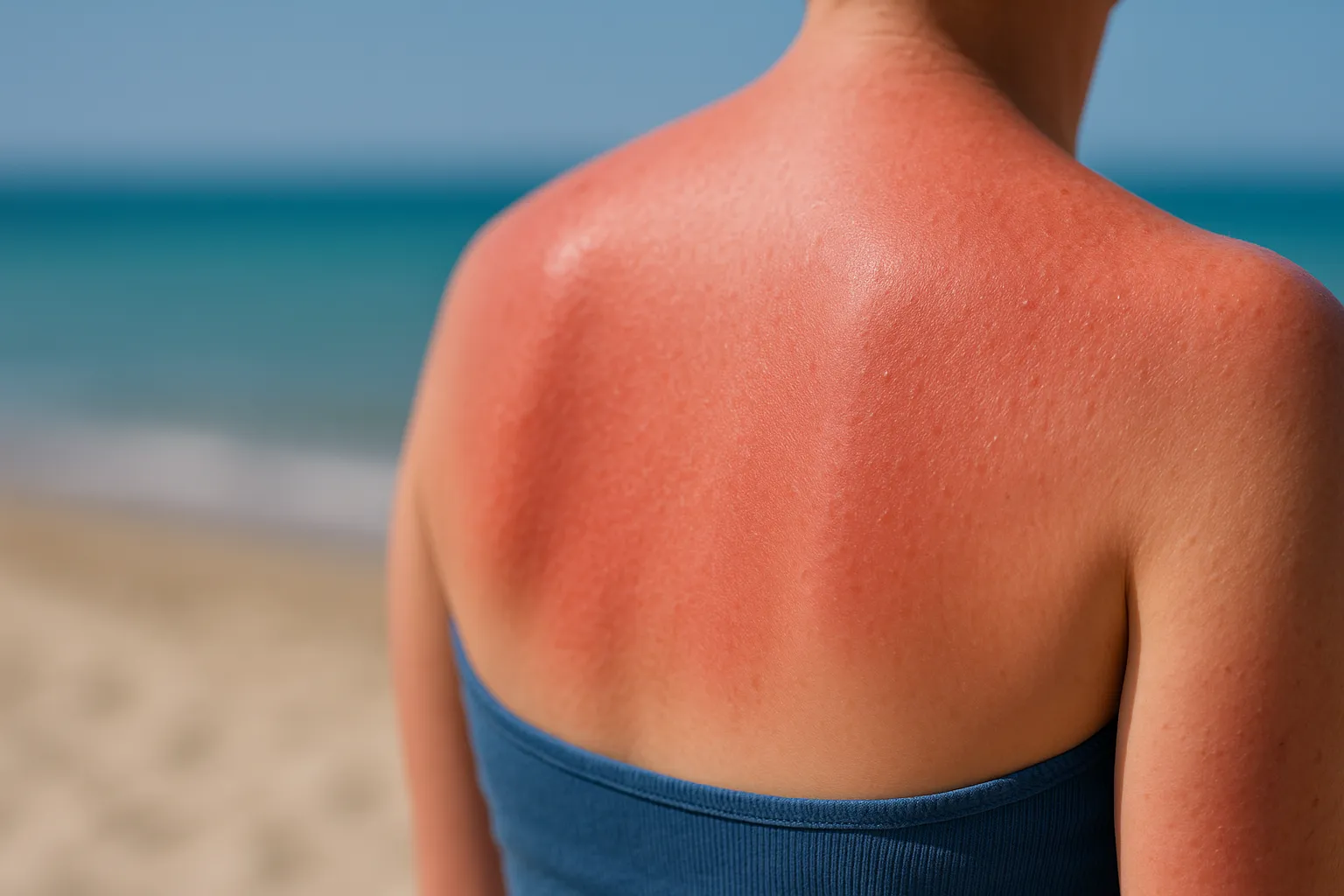
Recent findings underscore a worrying trend regarding childhood sunburn, with an alarming number of children still experiencing skin damage from excessive sun exposure. Research conducted by the British Skin Foundation (BSF) in 2024 reveals that 59% of children have suffered from sunburn at least once. Despite known risks, only 42% of parents reported that their children carry and know how to use sunscreen during the summer months. Furthermore, a staggering 75% of children are unaware of the importance of seeking shade, and merely 13% wear UV-protective clothing.
While the immediate discomfort of sunburn may fade within days, the long-term consequences can be severe. Prolonged exposure to UV rays can lead to irreversible skin damage that re-emerges years later, manifesting as premature ageing and an elevated risk of skin cancer. The BSF has explicitly stated that sunburn experienced during childhood or adolescence can double the likelihood of developing melanoma, the most dangerous form of skin cancer, later in life. According to the British Association of Dermatologists (BAD), studies indicate that around 25% of lifetime UV damage occurs before the age of 20, further compounding the potential threat of skin cancer.
Professor Tess McPherson, a consultant dermatologist at BAD, emphasises the seriousness of the issue, stating, “Severe sunburn can cause blisters and can lead to heatstroke and heat exhaustion, so it should be taken very seriously. In addition to being painful and unpleasant, sunburn can cause permanent damage, which can increase the risk of skin cancer in the future.” She highlights the cumulative nature of UV exposure, noting that experiencing five or more significant sunburns before turning 20 can heighten the risk of developing melanoma by 80%.
Sophie Brooks, health information manager at Cancer Research UK (CRUK), also notes, “Sunburn at any stage of life – including in childhood – can increase the risk of melanoma. Getting sunburnt once doesn’t mean you’ll definitely get skin cancer, but our risk increases each time we get sunburnt.” This underscores a crucial point: the dangers of sunburn extend beyond the visible symptoms and can result in lasting damage that may not be apparent until much later in life.
The ease with which children can suffer from sunburn is a significant concern, particularly during the hotter months, when a momentary lapse in sunscreen application may lead to painful consequences. Brooks elaborates on the unseen dangers, explaining that “too much UV radiation from the sun or sunbeds can damage the DNA in skin cells. This DNA instructs cells on how to behave and function; if enough damage accumulates, it can lead to uncontrolled cell growth, resulting in skin cancer.”
Sunburn is not only a risk for skin cancer but can also accelerate the ageing process, warns McPherson. “UV radiation damages skin cells, which help maintain the skin’s firmness and suppleness, leading to wrinkles and other signs of premature ageing,” she explains. Up to 80% of visible skin ageing is attributed to UV exposure, making it essential for parents to safeguard their children’s skin not only to mitigate skin cancer risks but also to maintain healthy skin as they mature.
Furthermore, it’s important to recognise that skin damage can occur prior to sunburn, with Brooks clarifying, “Skin damage isn’t just sunburn; it can start before then. A tan indicates that someone’s skin is trying to protect itself from damage, so there’s no such thing as safe UV tanning.” The implications of this message cannot be overstated, particularly for parents who may underestimate the dangers sun exposure poses to children with varying skin types.
While all skin tones are susceptible to UV damage, fair-skinned children require particular vigilance. However, Brooks warns against complacency with darker-skinned individuals; while they may not burn as easily, they can still experience damage. “Everyone’s skin responds differently to the sun, but the more easily someone gets sunburnt, the more careful they need to be,” she advises. Parents should be aware that sunburn in those with darker skin can manifest as tenderness or itchiness, while fair-skinned individuals may exhibit red or pink skin.
To mitigate the risk of sunburn in hot weather, McPherson urges parents to prioritise skin protection for their children. “Protecting children from sunburn and excessive UV exposure from an early age helps them develop habits that will stand them in good stead for the rest of their lives,” she states, noting that children should not completely avoid the sun, but rather engage in sensible sun protection strategies.
Parents are advised to ensure that children utilise shaded areas, wear protective clothing, and reapply sunscreen frequently, especially after swimming or engaging in activities that might wear it off. Recommendations include using high-factor sunscreen with a minimum SPF of 30, selecting products with UVA protection, and opting for fragrance-free options to minimise the risk of allergic reactions.
Reapplication is critical, with experts suggesting a routine every two hours regardless of sunscreen type, particularly after swimming, exercising, or towel-drying. Additionally, it is advised that babies under six months of age should not use sunscreen and should remain shaded with appropriate clothing on sunny days. “The NHS recommends that babies under six months should be kept out of direct sunlight,” Brooks advises, stressing the importance of parental vigilance.
For older children, reminders about sun safety can be equally crucial. Brooks asserts, “Sun safety is important at all ages, and children and teenagers might need a reminder or a helping hand.” Ultimately, it’s essential to instil good sun protection habits from a young age, with adults leading by example to demonstrate safe practices in the sun. With the health implications of sun exposure being so significant, prioritising effective sun protection could have lifelong benefits for the next generation.
Our Thoughts
To mitigate the risks associated with sunburn in children, several preventive measures could be emphasized. Parents should be educated on the importance of consistent and correct sunscreen application following The Health and Safety at Work Act 1974, which mandates a duty of care to protect individuals from foreseeable risks. Enhanced awareness programs about UV safety could increase knowledge about using sunscreen effectively, utilizing protective clothing, and seeking shade.
Compliance with the Control of Substances Hazardous to Health Regulations (COSHH) is relevant regarding the safe use of sunscreen products, ensuring they are suitable for children and have appropriate labelling to prevent allergic reactions.
Moreover, the “Recommended Unit” under The Children Act 1989 highlights the importance of safeguarding children’s welfare, which includes protection from sun exposure.
Similar incidents can be prevented by mandating sun safety policies in schools and daycares, reinforcing the need for regular reminders by caregivers, and ensuring children are taught about the risks of UV exposure. Implementing structured education on sun safety would form lifelong habits to reduce future skin cancer risks and associated health issues.