


Story Highlight
– UKHSA warns against unsafe eclipse glasses purchases.
– Partial solar eclipse peaks at 7:12pm in London.
– Counterfeit glasses pose serious eye safety risks.
– Scammers may exploit last-minute online searches.
– Proper certification essential for protective eyewear.
Full Story
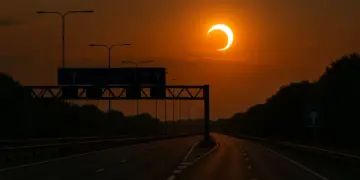
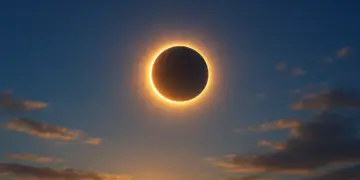
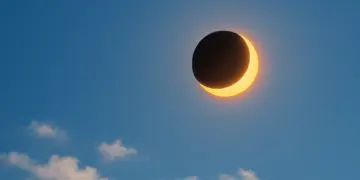
Households across the UK have been cautioned against the potential risks of permanent eye damage as the nation prepares for a partial solar eclipse on Wednesday evening. The event is set to peak at 7:12 PM in London, providing a unique celestial spectacle. However, the UK Health Security Agency (UKHSA) has issued a stark warning: viewing the sun without appropriate eye protection can lead to irreversible harm.
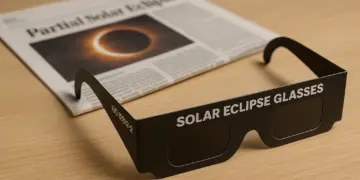
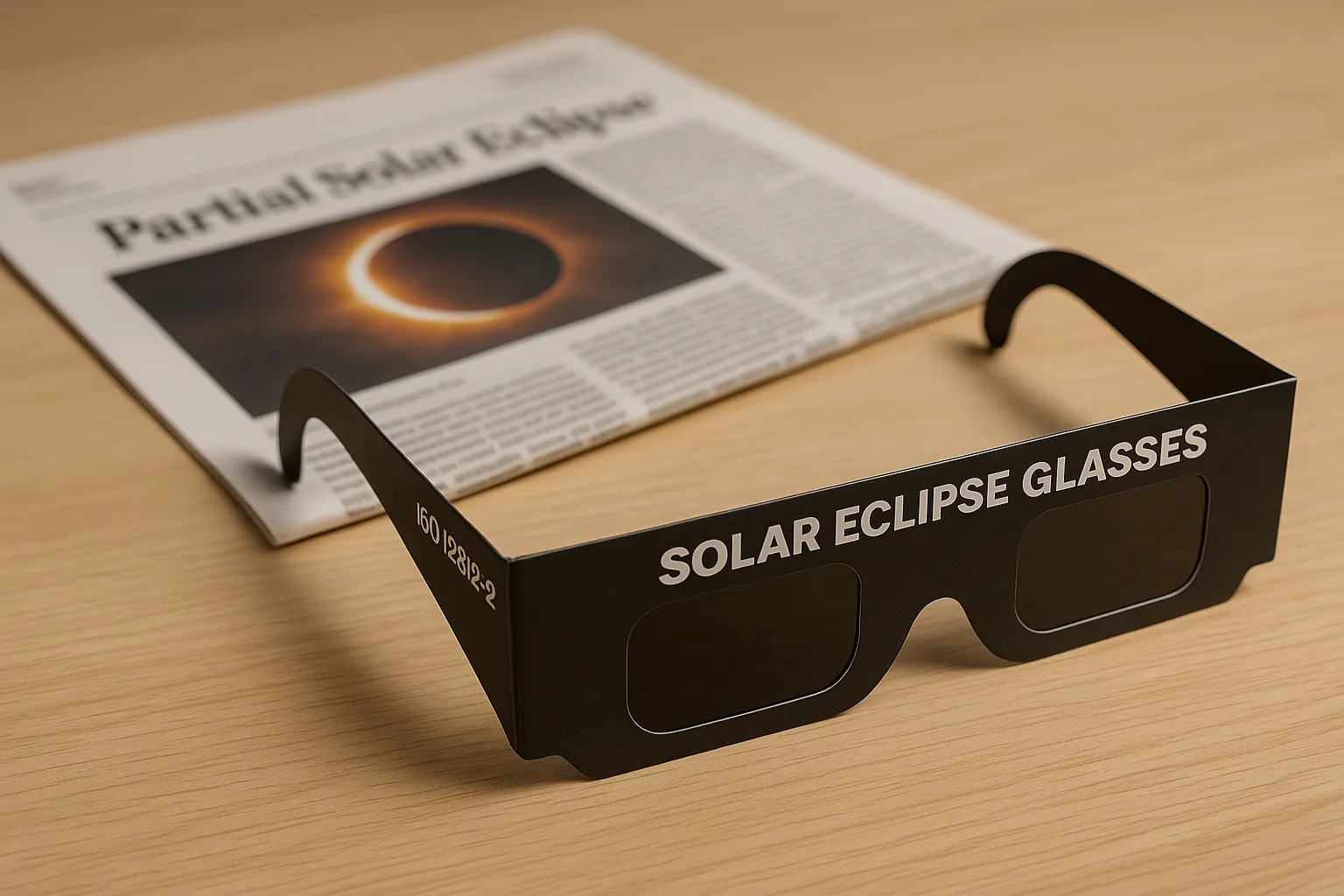
In their guidance, the UKHSA has emphasised the importance of using certified eclipse glasses to protect one’s eyesight. People are advised to ensure that their protective eyewear is not only compliant with safety standards but also free from any defects. For those lacking suitable protective gear, indirect viewing methods such as pinhole projectors are recommended as safer alternatives.
With the approach of the eclipse, there is an expected surge in the demand for eclipse glasses. Consumers who delay purchasing may be tempted to resort to unfamiliar online retailers or face significantly escalated prices. The rush to acquire protective eyewear opens doors for counterfeit products and unscrupulous vendors, posing a serious threat to public safety.
In light of these warnings, cyber security experts have pointed out that individuals looking for livestreams of the eclipse, especially if they cannot witness the event directly, may become targets for scams. It is advisable for shoppers to exercise caution with websites, QR codes, downloads, and payment requests associated with free viewing options.
Tamzin Burch, the marketing manager at Corsearch, commented on the exploitation of demand surges by counterfeiters. She remarked, “Major events like a solar eclipse can create exactly that opportunity. Bad actors can move quickly, using online marketplaces and misleading claims to sell products that appear legitimate but may not meet required safety standards.” Burch stressed that when it comes to products designed to safeguard health, the stakes are higher, moving beyond mere brand issues to consumer safety concerns. The danger of fake eclipse glasses lies in the false sense of security they provide to consumers gazing at the sun.
Additionally, Daniel Mohacek, Chief Executive of the review authenticity platform TruthEngine, cautioned against the risks associated with purchasing from unreliable sources. He stated, “Events like this create exactly the sort of sudden surge in demand that scammers and unscrupulous sellers can try to exploit.” He advised consumers to be particularly vigilant, warning that products may carry convincing claims and appear legitimate through glowing reviews, yet they may not be safe. When selecting protective eyewear, it is crucial to scrutinise the seller’s credibility and verify the authenticity of any safety claims. Mohacek pointed out the prevalence of fake reviews, urging caution if any elements regarding the seller or product seem dubious.
Meanwhile, ecommerce expert Marty Bauer at Omnisend has observed that significant online retailers have largely run out of stock, leaving many orders unfulfilled until after the eclipse occurs. In response, consumers might have to resort to brick-and-mortar shops or local community events, where prices for glasses can be markedly inflated, sometimes reaching four to five times the normal cost.
Marijus Briedis, Chief Technology Officer at NordVPN, has underscored the risks of livestream scams, recalling incidents from the 2024 North American eclipse. He noted that fraudsters had managed to create fake livestreams featuring deepfake content of Elon Musk, which attracted an audience of approximately 95,000 viewers and directed them to a scam cryptocurrency site via QR code. Briedis warned that technological advancements make such scams increasingly credible. He stated, “People should be suspicious if a supposedly free eclipse stream asks them to create an account, enter payment details, scan a QR code or download anything before they can watch.”
Samuel Mather-Holgate, Managing Director and Independent Financial Adviser at Mather and Murray Financial in Swindon, stressed the significant potential consequences of purchasing cheap protective eyewear online. He cautioned that with favourable weather conditions expected across much of the UK, visibility is likely to be excellent, leading many to gaze upwards. Mather-Holgate warned of the dangers associated with counterfeit eclipse glasses, stating, “The danger with fake eclipse glasses is that people may actually stare at the sun for longer because they believe they’re protected. Retinal damage can happen without pain, and by the time you realise something is wrong, the damage could be permanent.”
He urged consumers to seek out genuine, certified eclipse glasses that meet the ISO 12312-2 standard, or alternatively, to utilise safe indirect methods for viewing the eclipse. Mather-Holgate concluded, “This isn’t the moment to take a punt on an unknown seller to save a few quid. Make sure they’re genuine… Saving £5 isn’t worth gambling with your eyesight.”
As the much-anticipated partial solar eclipse approaches, it is essential for individuals to heed these warnings and prioritise their ocular safety. With a proactive approach towards ensuring the authenticity of protective eyewear and remaining cautious of potential online scams, everyone can enjoy this celestial event safely.
Our Thoughts
To avoid the risks associated with viewing the solar eclipse, several key safety measures could have been recommended. Firstly, consumers should have been advised to purchase eclipse glasses well in advance from reputable retailers, ensuring that products meet safety standards outlined in ISO 12312-2. This would mitigate the rush that can lead to purchases from unfamiliar or fraudulent sellers. Additionally, increasing public awareness of the need for certified protection and the dangers of counterfeit products could be emphasized through public campaigns.
The article reveals potential breaches of the General Product Safety Regulations 2005, as counterfeit glasses may not meet safety requirements, putting users at risk of permanent eye damage. Furthermore, consumers are encouraged to verify the authenticity of sellers and products, reinforcing personal responsibility in safeguarding health.
To prevent similar incidents, events should feature information from health authorities regarding safe viewing practices and guidelines on identifying legitimate protective eyewear. Online platforms could also implement stricter controls to limit the sale of counterfeit goods during high-demand events. Lastly, informing the public about the inherent risks of viewing eclipses without proper protection can promote safer behaviours.