
















Story Highlight
– Supermarkets seeing more dogs in grocery aisles.
– Debate on hygiene and entitlement from dog owners.
– Assistance dogs legally permitted; pets not protected.
– Mixed opinions on dogs’ presence in stores.
– Businesses responsible for ensuring food safety protocols.
Full Story
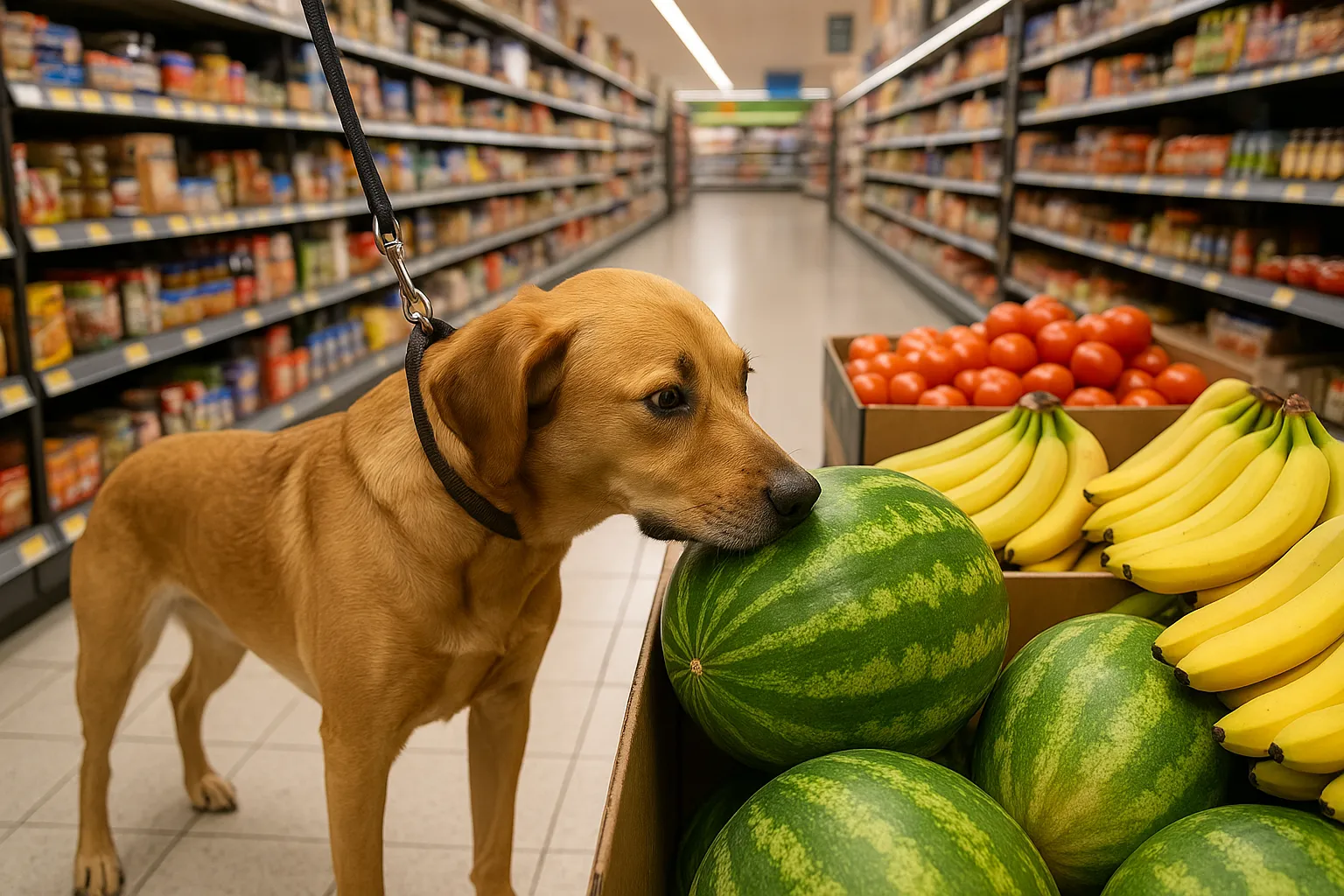
A growing trend in the UK sees some supermarkets becoming more pet-friendly, a development that has sparked a lively debate among consumers regarding the presence of dogs in grocery stores. While many avid dog lovers cherish the company of their furry companions and enjoy joining them on errands, others are less enthusiastic about the idea of bringing animals into food shops.
Recent discussions on Reddit have illuminated the mixed reactions of the public regarding dogs’ access to supermarkets. A user on the r/AskUK forum expressed bewilderment over what they perceived as a sudden acceptance of dogs in grocery stores, suggesting that both supermarket staff and shoppers grant these animals “superior rights.” This sentiment resonated with numerous commenters, including @MarieCry, who recounted an incident at an Aldi store where a woman carrying her dog touched various products. @MarieCry deemed this behaviour “unsanitary and inconsiderate,” reflecting a significant concern shared by those who oppose dogs in such settings.
Critics of allowing dogs in supermarkets frequently cite hygiene issues, with some recalling instances where pets have relieved themselves within store premises. This has prompted accusations of “entitlement” directed at those who choose to bring their pets shopping, with many declaring that “dogs shouldn’t be where food is sold.”
Conversely, not every shopper shares this negative viewpoint. Some patrons argue that if a dog is well-behaved, there should be no issue with their presence. For instance, @elhazelenby stated that they fail to see the problem with dogs in stores, and @TableSignificant341 mentioned that the presence of a dog does not bother them whatsoever. Further, one commenter, @Top_Tell9383, questioned the validity of concerns about a dog’s potential to pollute the shopping environment, suggesting that the hygiene risks posed by an average shopper may be far more concerning.
While these conversations highlight a divide among shoppers, the regulations governing pets in UK supermarkets are not as clear-cut. Legally, there is a crucial distinction between assistance dogs and pet dogs when it comes to access to food retailers. Under the Equality Act 2010, trained assistance dogs cannot be denied entry to establishments, including supermarkets. In contrast, pet dogs, therapy dogs, and emotional support animals lack the same statutory rights, allowing stores to establish their individual policies regarding pet access.
To provide clarity, various supermarket chains have established their own rules on dogs. For instance, Asda only permits assistance dogs in all its UK locations, a policy mirrored by retailers like Sainsbury’s, Morrisons, and Aldi. Tesco, while not specifying its stance on pet dogs, has confirmed that assistance dogs are welcome without the need for an identification certificate. Similarly, Co-op and Marks & Spencer adhere to the same policy of allowing only assistance dogs within their establishments.
As the debate about dogs in supermarkets continues, concerns about hygiene remain a common theme. These fears are understandable given that dogs can come into contact with unsanitary elements while out in public. Sylvia Anderson, a consultant in food hygiene and health and safety, highlights that the risk a dog poses in a supermarket can depend significantly on the store’s procedures.
Anderson points out that food businesses bear a legal obligation to ensure their products remain safe and devoid of contamination. She elaborates that dogs should be kept away from areas such as food preparation, baking stations, and storage zones, as these spaces are vital in maintaining food safety. She continues, “If a business chooses to be dog-friendly, that’s absolutely their decision, but it still needs to be managed properly. They should think about where dogs are permitted, keep them away from food preparation and storage areas, protect open food, have appropriate cleaning procedures in place, and make sure staff understand the rules.”
The way a dog is managed by its owner also plays a crucial role in determining the suitability of their presence in a grocery store. A well-behaved dog, kept on a lead and under supervision, poses different challenges to a store compared to a pet that is allowed to run freely, interact with products, or disturb other customers.
Ultimately, the debate around dogs in supermarkets is emblematic of broader discussions regarding public behaviour and hygiene in shared spaces. As supermarket policies continue to adapt in response to consumer preferences, the responsibility will remain shared among both businesses and dog owners to ensure that hygiene and public safety are not compromised.
As the conversation unfolds, it remains to be seen what role dogs will ultimately play in the aisles of British grocery stores and how evolving public opinions will shape future policies. All stakeholders will need to navigate this complex issue thoughtfully, considering both the affection for pets and the paramount importance of food safety in retail environments.
Our Thoughts
To prevent incidents related to dogs in supermarkets, businesses should enforce clear policies aligning with UK health and safety legislation. The Food Safety Act 1990 mandates that food sold to the public must be safe and uncontaminated. Allowing dogs in food areas can pose hygiene risks, particularly if they are not properly controlled. Supermarkets should ensure that dogs are prohibited from areas with open food products, and that adequate cleaning protocols are in place in case of any accidents.
Staff training is essential to differentiate between assistance dogs, protected under the Equality Act 2010, and pets, which do not have the same rights. This allows for better enforcement of store policies. Furthermore, signage should communicate the store’s policy clearly to avoid confusion among customers.
Implementing these measures could mitigate potential health risks and address concerns from customers regarding hygiene and safety. Regular reviews of policies and practices, coupled with effective communication, can enhance compliance with relevant regulations and improve overall customer satisfaction.