
















Story Highlight
– UK bans high-caffeine energy drinks for under-16s.
– Energy drinks linked to health issues in youth.
– Australia lacks federal energy drink sales restrictions.
– Experts advocate for stronger bans on youth consumption.
– Industry opposition complicates potential legislative changes.
Full Story
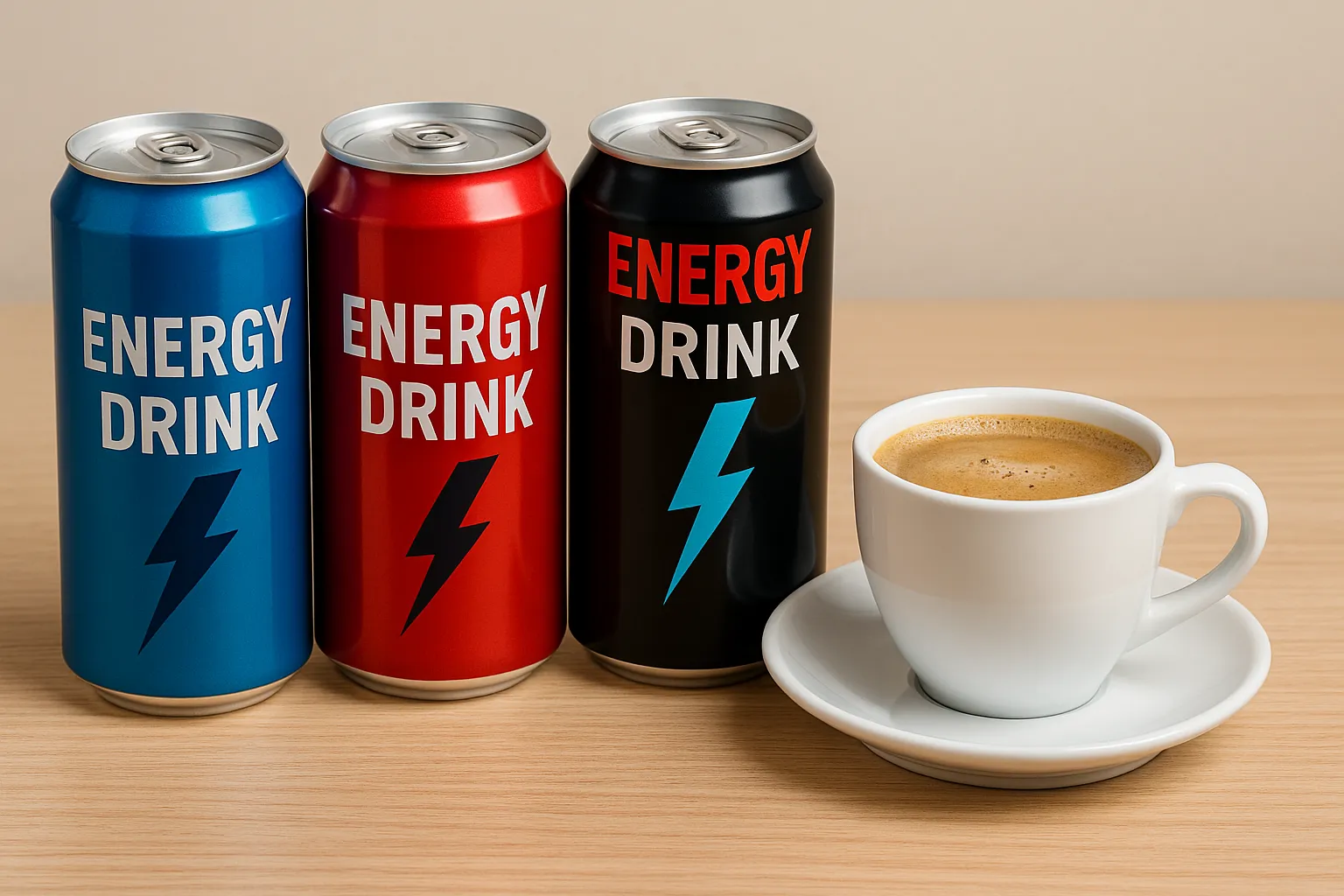
The United Kingdom is preparing to implement a ban on high-caffeine energy drinks for individuals under 16 years of age. This legislative move aims to restrict the sale of energy drinks containing more than 150 milligrams of caffeine per litre, with exceptions made for traditional beverages like tea and coffee. Proponents of the ban argue that these energy drinks have been associated with negative health outcomes in children, including sleep disturbances, anxiety, and difficulties with concentration.
In light of these developments, a comparison between energy drinks and other caffeinated beverages such as coffee and tea is pertinent. The caffeine content in energy drinks can fluctuate significantly depending on the brand and the serving size. According to the Australia New Zealand Food Standards Code, formulated caffeinated beverages, commonly referred to as energy drinks, are capped at a maximum of 320 milligrams of caffeine per litre. This translates to roughly 80 milligrams of caffeine in a typical 250-millilitre can and 160 milligrams in a 500-millilitre serving.
Conversely, the caffeine concentration in coffee varies based on brewing methods, type of coffee, and preparation time. The European Food Information Council has indicated that longer brewing times generally result in higher caffeine levels. A summary of average caffeine concentrations includes various beverages, highlighting that espresso contains approximately 134 milligrams per 100 millilitres, while a typical serving of filtered coffee (200 millilitres) may have around 45 milligrams.
The concern regarding caffeine consumption is particularly acute when it comes to children. Gina Trapp, a professor in food and nutrition at Edith Cowan University, explained that caffeine is a stimulant that affects the central nervous system. She stressed that energy drinks are unsuitable for children because of their lower tolerance to such substances. “Children and teenagers are more susceptible to the effects of caffeine compared to adults,” she noted.
Professor Trapp’s research underscores the addictive potential of energy drinks, which is concerning given that children possess a smaller body mass, resulting in a higher caffeine concentration per kilogram of body weight. Jane Martin, the executive director of the Food for Health Alliance, echoed this sentiment, warning that the elevated caffeine levels in energy drinks could detrimentally impact both physical and mental health. Adverse effects associated with high caffeine intake include irregular heartbeats, disrupted sleep patterns, anxiety, and an overall sense of restlessness. “Sleep is crucial during adolescence, as it supports growth and cognitive development,” she added.
Currently, Australia does not have a national ban on the sale of high-caffeine drinks to minors. While there are no federal restrictions, energy drinks are required to display warning labels advising against consumption by children, pregnant or breastfeeding women, and individuals sensitive to caffeine. Additionally, guidelines may be provided to school canteens discouraging the sale of these beverages.
Despite the lack of a formal ban, a spokesperson from Australia’s federal health department cited existing measures aimed at protecting children from excessive caffeine intake. In recent amendments to the Food Standards Code, further restrictions have been placed on high-caffeine products and pure caffeine sales. The National Healthy School Canteens Guidelines recommend against energy drinks in schools, and the Australian Dietary Guidelines explicitly state that these drinks are unsuitable for children.
The question arises as to whether such measures go far enough. Jane Martin argues for the necessity of stricter controls over the sale of energy drinks to minors, suggesting that current recommendations relying on self-regulation do little to deter youth consumption. “Stricter sales regulations would provide much better protection compared to simply advising against consumption,” she insisted. Ongoing research supports the idea of limiting sales of energy drinks to young people, yet implementing such restrictions would likely require cooperation from various levels of government.
Concerns also emerge from the industry side. Coca-Cola Europacific Partners has publicly stated that Australia’s energy drink market is experiencing significant growth, with a year-on-year increase of approximately 19.6%. This growth trajectory poses challenges for potential regulatory changes, as manufacturers may resist any moves that could impact profits. A spokesperson for the Australian Beverages Council, which represents several energy drink brands, voiced opposition to the notion of a sales ban, arguing it would not reflect existing evidence or effective regulatory systems aimed at informing consumers.
Additionally, the Beverages Council pointed out that energy drink companies have voluntarily committed to refraining from marketing their products to children and avoid selling them in educational institutions. However, Professor Trapp contends that the marketing strategies employed by energy drink companies are overtly targeted toward younger demographics.
The Australian Beverages Council’s chief executive officer, Geoff Parker, dismissed the proposed under-16 sale restriction as a superficial solution that fails to consider Australia’s nuanced regulatory landscape. He cited a recent review by Food Standards Australia New Zealand (FSANZ), which found no justification for altering the permitted caffeine levels in energy drinks, asserting that the risk assessments did not warrant a rethink of existing provisions.
As the debate continues, perspectives remain divided on whether stricter regulations are necessary to protect children’s health or whether current advisories and voluntary measures can adequately mitigate risks associated with energy drink consumption.
Our Thoughts
The proposed ban on high-caffeine energy drinks for under-16s in the UK reflects a necessary response to health concerns associated with these products. To prevent adverse health effects in children, key measures could be implemented, such as stricter age verification processes at points of sale and robust educational campaigns targeting consumers and retailers about the risks associated with energy drinks.
Relevant regulations include the Health and Safety at Work Act 1974, which mandates that employers ensure the health, safety, and welfare of employees and others affected by their activities. This includes assessing potential risks from the sale of products like energy drinks to children and implementing appropriate control measures.
Additionally, the Food Safety Act 1990 requires that food and drink products are safe for consumption. Breaches occur when products are sold to vulnerable groups without adequate safeguards, such as warning labels or age restrictions. To avoid similar incidents in the future, continuous monitoring and regulation of the marketing and sale of energy drinks, along with public health advocacy, are essential. Enhanced collaboration between government, health professionals, and the beverage industry could prove beneficial in promoting safer consumption practices among youth.