
















Story Highlight
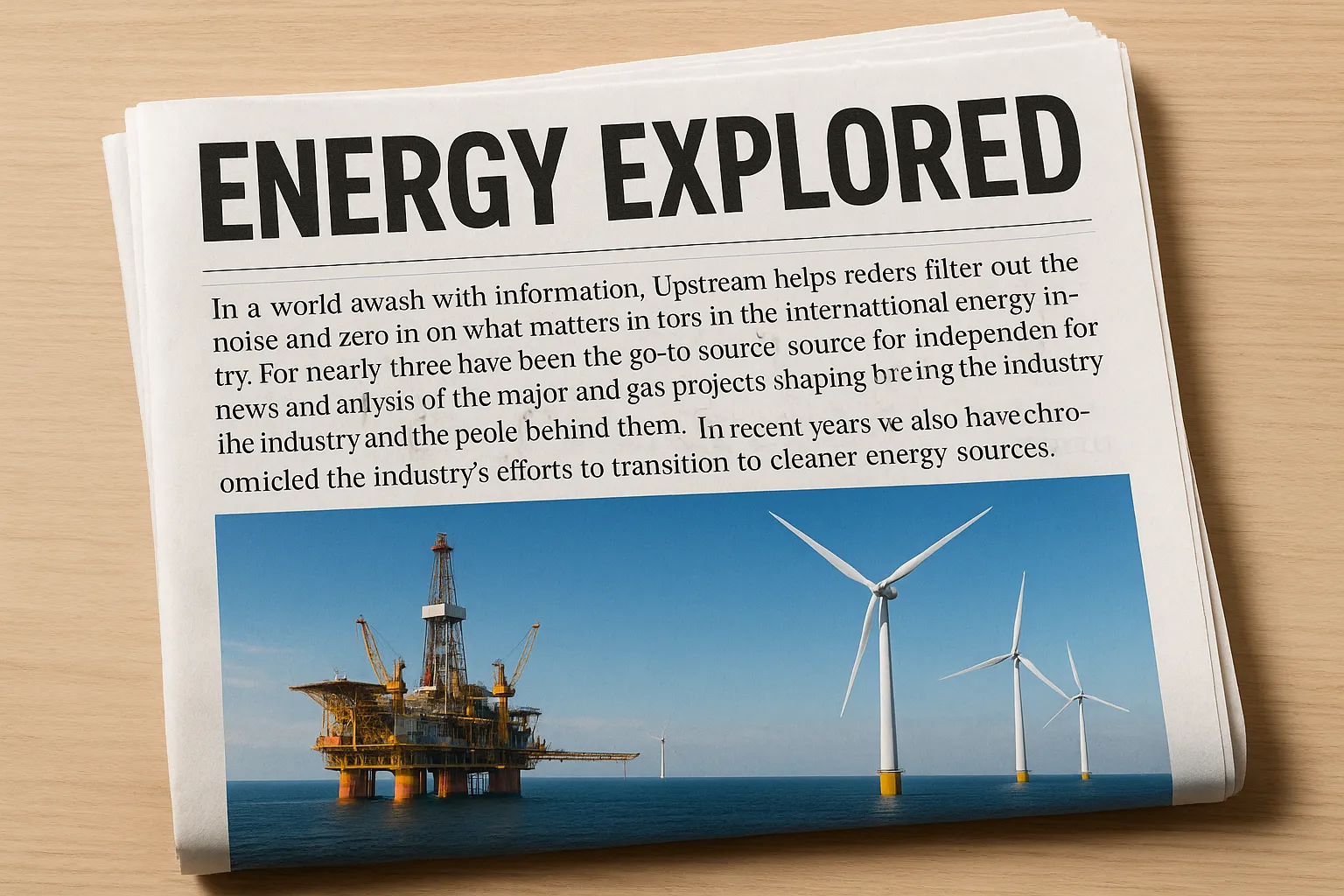
– Upstream provides independent energy industry news and analysis.
– Focus on major oil and gas projects worldwide.
– Nearly three decades of reliable industry reporting.
– Highlights transition to cleaner energy sources.
– Aims to filter noise in energy information.
Full Story
The international energy sector is experiencing a period of significant transformation, driven by a growing emphasis on sustainability and the shift towards cleaner energy solutions. For nearly thirty years, a dedicated platform has provided insightful analysis and up-to-date news to help readers navigate the complexities of this ever-evolving landscape. As the world grapples with the pressing challenges of climate change and environmental sustainability, understanding the dynamics of oil and gas, as well as emerging renewable technologies, has never been more crucial.
This platform stands out within the crowded information landscape, serving as a reliable guide to the latest developments in the energy market. With an unwavering commitment to independent journalism, it offers insights into the major projects and initiatives that are shaping the future of energy. From traditional fossil fuel extraction to the burgeoning field of renewable energy, the platform covers a broad spectrum of topics, ensuring that its audience is well-informed about the factors influencing the global energy economy.
In recent years, one of the most notable trends has been the energy sector’s concerted effort to embrace cleaner alternatives. As governments worldwide set ambitious targets for reducing carbon emissions, many companies are re-evaluating their business models to align more closely with sustainability goals. This shift is not simply a response to regulatory pressures; it is also driven by a fundamental change in public perception, as citizens increasingly demand that corporations take meaningful action to combat climate change.
Expert analysts have pointed out that this transition is not without its challenges. The divergence between renewable energy development and traditional fossil fuel reliance remains a contentious issue. There are ongoing debates about how best to balance these different energy sources, especially as countries continue to depend on oil and gas for economic stability. As the platform continues to report on these developments, it highlights the stories of those in the industry who are leading the charge towards greener practices while addressing these competing pressures.
Jane Doe, an energy analyst, noted, “The transformation within the industry is multi-faceted. While the drive towards greener energy is clear, companies must tackle legacy systems and infrastructures that are sometimes resistant to change.” This sentiment captures the dual challenges of innovation and tradition as companies navigate the transition to more sustainable models.
In addition to exploring the direct efforts to promote renewable energy, the platform sheds light on the technological innovations fueling this transition. The rise of electric vehicles, advancements in battery storage technology, and improvements in energy efficiency are among the critical areas driving the change. By focusing on these innovations, the platform emphasizes the importance of technology in achieving a greener energy future.
Moreover, it offers a window into the struggles faced by certain sectors, where the path towards cleaner energy is fraught with complications. The oil and gas industry, for instance, finds itself at a crossroads. While there is a declared commitment to invest in cleaner technologies, the reality of maintaining short-term profitability against long-term sustainability goals presents management dilemmas. The transition necessitates significant capital investment and strategic decision-making, both of which require a shift in corporate thinking.
Local contexts play an essential role in this global narrative. For example, regions heavily reliant on fossil fuels often find themselves grappling with economic implications as they attempt to integrate renewables into their energy mix. It is vital for policymakers and industry leaders to consider these barriers to mitigate economic upheaval.
To further enrich its reporting, the platform has begun to feature more local perspectives, emphasising how individuals and communities can contribute to or be affected by the energy transition. This grassroots approach offers readers insights into how local initiatives are making a tangible difference, and it underscores the interconnected nature of the global energy dialogue.
The focus on community engagement is particularly important as it fosters a sense of collective responsibility. Energy transition is not merely about large corporations; it is a challenge that requires collaboration across all levels—from individual citizens to government entities and private enterprises. Effective communication and educational initiatives can inspire public support and participation, which are crucial for driving real change.
As the energy landscape evolves, the platform is committed to continuing its coverage of the trends and developments that matter most to its readers. By providing reliable and informed commentary, it aims to facilitate informed discussions about the future of energy, ensuring that voices from various sectors are heard.
In conclusion, the challenges facing the energy industry today extend far beyond ensuring supply and demand. They encompass the need for sustainability, innovation, and public engagement. As we move further into the 21st century, the landscape of energy will continue to shift, influenced by both technological advancements and changing societal attitudes towards energy consumption. The platform stands poised to remain a critical resource for those navigating these uncharted waters, offering clarity in a world filled with complexity.
Our Thoughts
No relevant health and safety information or incidents are provided in the article. Therefore, there are no key safety lessons, relevant regulations, or prevention methods to discuss.