















Story Highlight
– Plush toy poses serious suffocation risk for infants.
– Originally marketed as a baby sleep pillow.
– Risk of overheating and Sudden Infant Death Syndrome.
– Safety alert issued by Office for Product Safety.
– Consumers urged to avoid using for unsupervised sleep.
Full Story
A significant safety warning has been issued regarding a widely available plush toy in the UK, signalling a “serious risk of suffocation” for infants. Consumers who have purchased this item are urged to consult a safety alert that addresses these suffocation concerns, especially given its initial marketing as a sleep pillow for babies.
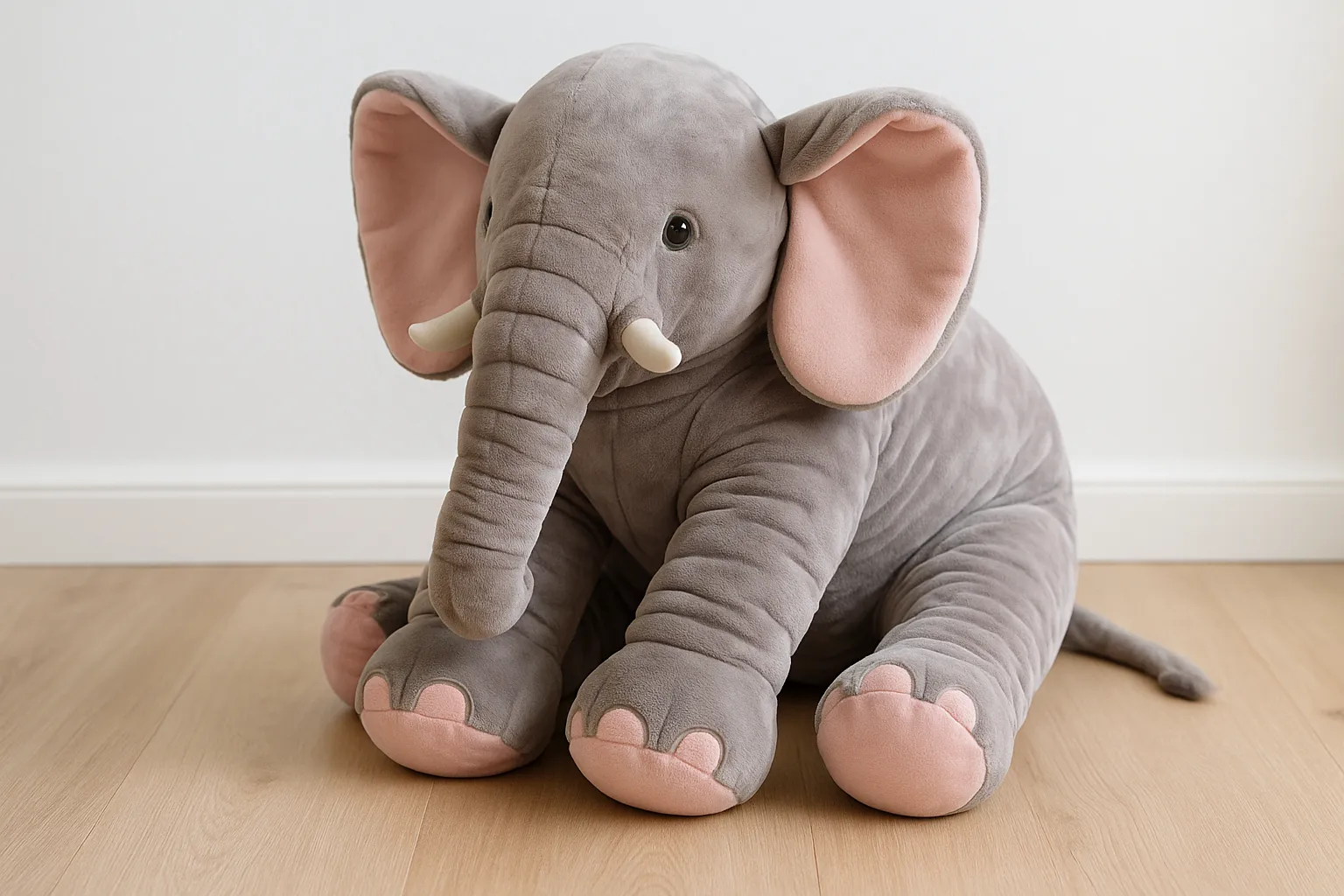
The plush toy in question, a 100cm Jumbo Soft Plush Elephant, was previously sold as a sleep aid for infants. However, the Office for Product Safety and Standards (OPSS) has raised alarms about its safety, particularly in terms of its potential dangers when left with unsupervised young children.
The plush elephant, which is characterised by its soft fabric and pink features, has been identified in the safety report as posing a risk of suffocation or overheating for babies under the age of 12 months. The OPSS specified, “if used as a pillow in an unsupervised sleep environment, it could present a serious risk of suffocation to a child under 12 months.”
Originally marketed as a Baby Sleep Pillow, it has come to light that the product did not comply with the General Product Safety Regulations 2005. The retailer responsible for this toy, Magic Toy Shop Ltd, made a critical update to the product listing on July 22, 2025, removing mentions of its suitability as a pillow and focusing instead on its function as a soft toy.
The OPSS is advising consumers who purchased this item before the late July change to take immediate action. They are encouraged to refer to the Product Safety Alert and the NHS guidelines on safer sleep practices to ensure the toy is not being used as a sleep aid in a baby’s sleeping area.
The hazards associated with plush toys marketed as sleep pillows are significant. The OPSS’s report highlights that such products, designed for babies to sleep on or be placed with, have been implicated in fatalities both in the UK and internationally. The predominant risks are suffocation and overheating, which can culminate in severe injury or even death in infants.
Suffocation is a danger particularly prevalent with soft materials that can inadvertently cover a baby’s mouth and nose, obstructing their airflow. Overheating, conversely, can result when a baby’s head sinks into a soft surface, trapping heat and preventing the necessary cooling that comes from airflow.
The safety alert also warns about the increased likelihood of Sudden Infant Death Syndrome (SIDS) occurring when an infant becomes overheated. In response to these findings, the OPSS strongly advises against using any plush items marketed specifically as Baby Sleep Pillows for infants under 12 months of age. Furthermore, parents and caregivers should avoid placing these toys in cots or cribs alongside very young babies and adhere to the NHS’s safer sleep guidance.
For parents who may have purchased these items, the OPSS recommended reaching out directly to the retailer responsible for the product if it was marketed for sleep or intended to be used unattended. Following recent legislative adjustments, namely the Digital Markets Competition and Consumers Act 2024, consumers may have grounds for compensation.
The issue surrounding plush toys marketed as sleep aids extends beyond just this particular product. Experts have raised awareness about the broader implications of baby sleep safety, emphasising the importance of standard safety regulations in consumer goods to safeguard young lives.
With an increasing number of similar products on the market, it is critical for consumers to remain vigilant. Parents are encouraged to actively check product safety alerts and recall announcements, informing themselves about the risks associated with items designed for their infants.
As authorities continue to crack down on potentially hazardous products, the emphasis on consumer awareness has never been more pressing. Parents should be proactive, not just during the purchasing process, but also after the fact, through the continual monitoring of safety notices.
The OPSS’s recent findings serve as a cautionary tale, reminding caregivers to remain alert about what is safe for their children. The unsettling truth is that while many parents might assume that products designed for infants meet the necessary safety standards, the reality can sometimes be far from that expectation.
The consequences of negligence in product safety can be dire, and the marketplace should reflect a responsible approach that prioritises the health and wellbeing of children. The ongoing dialogue about consumer product safety, including plush toys, underscores the need for thorough testing and validation before items can be presented as safe for use by infants.
This incident not only highlights the specific dangers associated with the Jumbo Soft Plush Elephant but also calls for collective action among retailers, consumers, and regulatory bodies to ensure that children are protected from potentially perilous products. By fostering a culture of safety and informed choices, the hope remains that similar risks can be mitigated in the future. Parents must be empowered with the knowledge to make safe decisions, ensuring the wellbeing of their little ones as a first priority.
Our Thoughts
The incident involving the plush toy marketed as a Baby Sleep Pillow highlights critical failures in product safety regulation and consumer protection. To prevent such risks, manufacturers should have adhered to the General Product Safety Regulations 2005, which require that products do not pose a danger to health and safety.
A thorough risk assessment should have been conducted before marketing the product, particularly concerning its intended use by infants. Clear guidelines for safe product design, testing, and marketing practices should be established and followed. Additionally, proper warnings and guidance should be communicated to consumers regarding infant sleep safety.
The delay in amending the product description after identifying the risks indicates a lack of diligence in ensuring the product’s safety. Strengthening oversight mechanisms for product marketing and ensuring compliance with safety standards can help prevent similar future incidents.
Furthermore, educating manufacturers about the implications of marketing language on consumer perceptions could help mitigate risks associated with the misuse of toys intended for infants. Regular reviews of safety alerts and clear communication channels with consumers are essential for maintaining safety in the marketplace.